
The intersection of artificial intelligence and app development heralds a new era of innovation and transformation. As AI technologies advance, they not only enhance existing functionalities but also pave the way for novel applications that were once the realm of science fiction. This article explores the myriad ways in which AI is reshaping the future of app development, from amplifying human creativity to automating mundane tasks, and from fostering multidisciplinary collaboration to addressing complex ethical considerations. AI and Future Technologies.
Key Takeaways
- AI advancements are enabling new app functionalities, leading to a surge in intelligent and interactive applications.
- AI is amplifying human creativity, allowing developers to generate insights and design with a broader perspective.
- Routine task automation by AI is freeing developers to focus on strategic and creative aspects of app development.
- The collaboration between humans and AI is fostering a multidisciplinary approach and exploring new possibilities in app design.
- AI’s integration into app development workflows presents challenges that necessitate ethical, bias-aware, and regulated approaches.
Advancements in AI and Future Technologies
Enabling Novel Functionalities
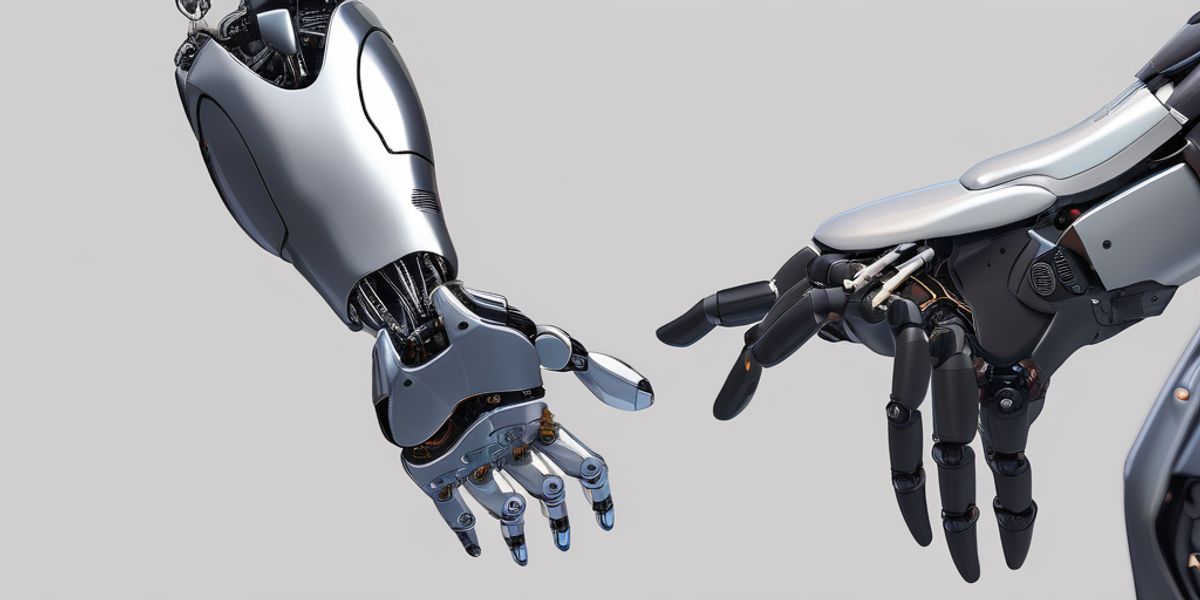
The integration of AI into app development is revolutionizing the industry by enabling novel functionalities that were once considered futuristic. AI’s ability to learn and adapt is fostering the creation of applications with unprecedented capabilities. For instance, AI-powered voice assistants, which are already prevalent in over 4 billion devices, are anticipated to become even more sophisticated and widespread.
- Rapid Prototyping and Testing: AI tools expedite the prototyping process and automate testing, significantly shortening the development timeline.
- Complex Decision Support: By analyzing vast datasets, AI provides valuable insights, guiding developers towards the most effective app development strategies.
- Enhanced Efficiency and Speed: AI’s automation of routine tasks like code generation and testing streamlines workflows, boosting productivity.
AI’s role in app development is not just about automating tasks; it’s about opening doors to new possibilities and empowering developers to push the boundaries of innovation. The synergy between AI and human creativity is leading to the emergence of applications that are more intuitive, responsive, and tailored to user needs.
Amplifying Creativity
The integration of AI Technology into creative processes marks a significant leap forward in app development. AI’s ability to analyze extensive datasets and uncover patterns offers a new dimension to creative ideation. Developers equipped with AI tools can transcend traditional boundaries, crafting innovative features and user experiences that were previously unattainable.
AI Technology not only complements human ingenuity but also propels it to new heights, fostering an environment where imaginative solutions thrive.
Collaborative efforts between AI and human creativity have led to the emergence of several key benefits:
- Enhanced design capabilities: AI algorithms can suggest design modifications and improvements.
- Inspiration through data: Insights derived from AI can spark new ideas for app functionalities.
- Efficiency in experimentation: Rapid prototyping with AI assistance accelerates the creative process.
By amplifying creativity, AI Technology is redefining the landscape of app development, enabling creators to deliver exceptional and personalized user experiences.
Automating Routine Tasks
The integration of AI in automating routine tasks has revolutionized the way developers approach app development. AI-driven automation not only streamlines workflows but also significantly reduces the time spent on mundane activities. This shift allows developers to concentrate on more complex and innovative aspects of app creation.
- Enhanced Efficiency: AI tools automate code generation and testing, leading to faster development cycles.
- Data-Driven Insights: Analyzing user data, AI provides valuable insights for design and feature prioritization.
- Agile Iterations: With AI-enabled testing, developers can quickly identify and rectify bugs, fostering a more agile development process.
By offloading repetitive tasks to AI, developers are empowered to focus on strategic thinking and problem-solving, ultimately enhancing the overall quality and uniqueness of user experiences.
The impact of AI on routine tasks is not limited to the development phase. Post-deployment, AI continues to monitor app performance, user engagement, and system health, ensuring that applications remain efficient and effective over time. This ongoing optimization is crucial for maintaining a competitive edge in the rapidly evolving app market.
Evolving Landscape of AI in App Development
Enhanced User Experiences
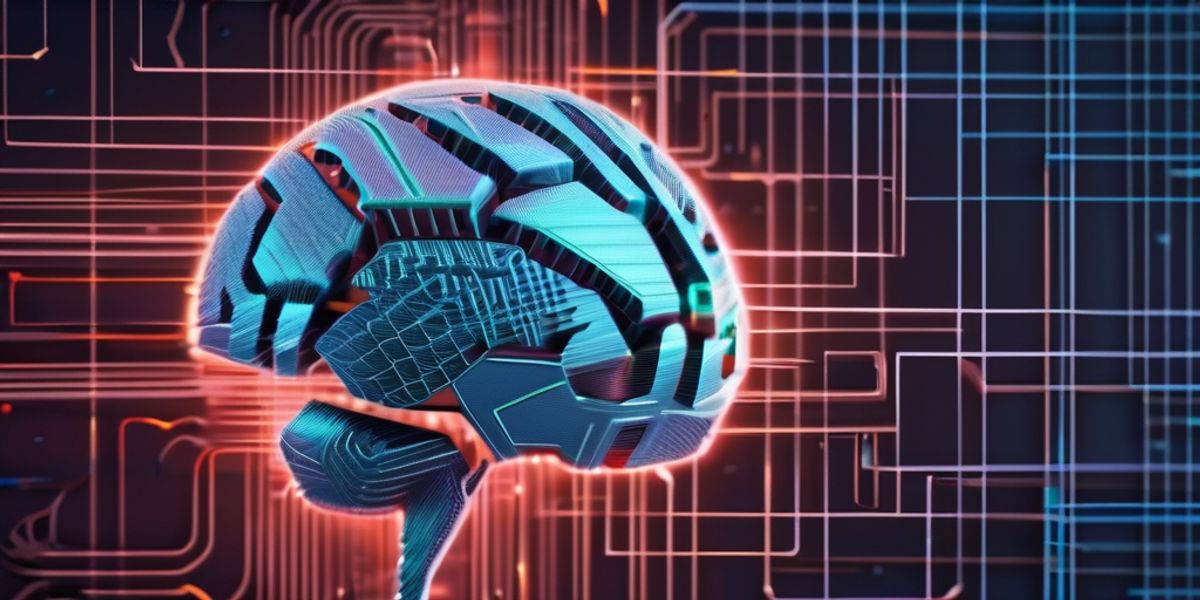
The integration of AI technologies into app development has revolutionized the way users interact with digital products. AI Chat, AI Text, and AI Image functionalities are leading the charge in creating more intuitive and personalized experiences. These AI-driven features not only understand user preferences but also anticipate needs, setting a new standard for user engagement.
- AI Chat systems provide real-time, natural language assistance, transforming customer support and user interaction.
- AI Text analytics enable apps to offer personalized content, enhancing user satisfaction through tailored experiences.
- AI Image recognition allows for innovative features like visual search and interactive media, enriching the overall app usability.
The seamless integration of AI into apps often goes unnoticed by users, yet it significantly elevates their experience. This silent enhancement is a testament to the sophistication and effectiveness of current AI applications in understanding and catering to user needs.
The data-driven insights gained from user interactions are pivotal in refining app features and interfaces. AI’s ability to process and analyze large volumes of data results in more informed decisions and a more user-centric approach to app development. As AI continues to evolve, the potential for creating even more engaging and personalized user experiences is boundless.
Complex Problem Solving
The integration of AI in app development has revolutionized the approach to complex problem solving. AI-driven apps are now capable of addressing intricate challenges that were once insurmountable with traditional programming techniques. This has unlocked new opportunities for cutting-edge solutions.
- Continuous Learning and Adaptation: AI algorithms embedded within apps learn from user interactions, allowing for ongoing enhancement of functionality.
- Rapid Prototyping and Testing: AI tools expedite the creation of prototypes and automate testing, accelerating the development cycle.
- Complex Decision Support: AI provides data-driven insights by analyzing extensive datasets, aiding in strategic app development decisions.
The synergy between AI and human expertise is fostering a new era of app development where complex problems are not just solved more efficiently, but also more creatively.
Collaborative AI-Human workflows are becoming the norm, with developers leveraging AI to amplify their problem-solving capabilities. This partnership is crucial in navigating the intricate web of user needs and technological possibilities, leading to more robust and innovative app solutions.
Industry-Specific AI Applications
The integration of AI into industry-specific applications is a testament to its transformative power. AI-driven solutions are tailored to meet the unique demands of each sector, enhancing efficiency and creating novel user experiences. For instance:
- Healthcare and Medical Apps: AI analyzes patient data for accurate diagnostics and personalized treatment plans.
- Finance and Fintech Apps: AI powers fraud detection, risk assessment, and personalized financial advice.
- Retail and E-commerce Apps: AI optimizes inventory management and enhances customer recommendations.
- Education and E-learning Apps: AI offers adaptive learning and automated assessment.
- Entertainment and Media Apps: AI enables personalized content curation and immersive experiences.
- Automotive and Transportation Apps: AI contributes to autonomous driving features and real-time traffic analysis.
The synergy between AI and app development is not just about technology; it’s about crafting experiences that resonate with users and address the intricacies of each industry.
As AI continues to evolve, the collaboration between developers and industry experts is crucial. This partnership ensures that AI applications not only solve existing problems but also unlock new opportunities for innovation and growth. The future of app development is one where AI is not just a tool, but a partner in creating solutions that are as diverse as the industries they serve.
Collaboration Between Humans and AI
Leveraging AI to Bridge Skill Gaps
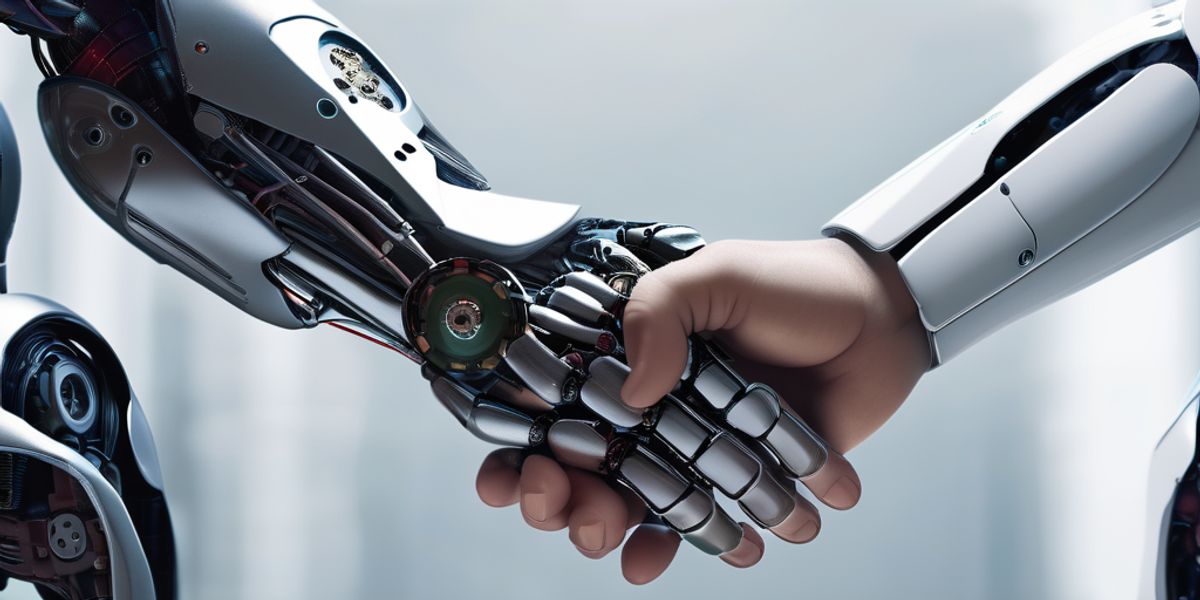
The integration of AI in app development is revolutionizing the way we address skill shortages within the industry. AI-powered tools are democratizing the development process, enabling individuals across various levels of expertise to contribute meaningfully to projects. This not only accelerates the development cycle but also fosters a more inclusive environment.
- AI-driven platforms provide guided coding assistance, making complex programming more accessible.
- Machine learning algorithms offer predictive insights, helping developers make informed decisions.
- Automated code reviews ensure high standards of quality, regardless of the developer’s experience level.
By leveraging AI, the app development landscape is becoming more adaptable, with technology filling in the gaps of human expertise. This symbiosis between human creativity and machine precision is setting a new standard for innovation.
The benefits of AI in bridging skill gaps extend beyond mere technical assistance. They encompass a broader spectrum of advantages, such as enhanced collaboration and a continuous learning culture. As AI takes on more routine tasks, developers are free to focus on strategic and creative aspects of app development, leading to more groundbreaking applications that push the boundaries of what’s possible.
Enabling Multidisciplinary Collaboration
The integration of AI in various fields has catalyzed a new era of multidisciplinary collaboration, bringing together experts from diverse domains to forge innovative solutions. AI-powered tools are the linchpins in this collaborative effort, enabling seamless interaction and synergy between developers, designers, data scientists, and other specialists.
- AI facilitates a shared language across disciplines.
- It accelerates the ideation process by providing data-driven insights.
- AI assists in identifying patterns that might be overlooked by human analysis.
By fostering a culture of collaboration, AI is not just a tool but a partner in the creative process, enhancing the collective intelligence of teams.
This cross-disciplinary approach results in more holistic and innovative app solutions, pushing the boundaries of what’s possible. As AI continues to evolve, it becomes an indispensable ally in the quest for groundbreaking applications that meet complex user needs and societal challenges.
Exploring New Possibilities
The synergy between human ingenuity and artificial intelligence is unlocking unprecedented opportunities in app development. AI’s capacity to process and analyze data at scale empowers developers to venture into uncharted territories, leading to innovative applications that were once beyond our imagination.
- AI-driven insights prompt the discovery of novel app functionalities.
- Collaboration with AI tools fosters a cross-disciplinary approach, integrating diverse expertise.
- The iterative process between human oversight and AI’s capabilities ensures ethical and responsible innovation.
The fusion of AI with human creativity is not just about enhancing existing applications; it’s about reimagining the possibilities of what apps can achieve. This partnership is pivotal in pushing the boundaries of technology and user experience.
As we embrace this collaborative future, it’s crucial to maintain a balance between technological advancement and ethical responsibility. The potential for AI to revolutionize app development is immense, but it must be guided by a commitment to responsible outcomes that align with human values.
Challenges and Ethical Dilemmas

Ethical Dilemmas in AI
The integration of AI into app development has ushered in a new era of technological capabilities, but it also presents a series of ethical dilemmas that must be addressed with diligence and foresight. Accountability for AI decisions is a prime concern, as the lines of responsibility blur when autonomous systems make choices that impact users. The ethical design and usage of AI require developers to consider the consequences of AI-driven features and their broader societal implications.
- Accountability for AI Decisions
- Social and Economic Impacts
- Ethical Design and Usage
- Deepfake and Misinformation
- Bias and Fairness
- Transparency and Explainability
Ensuring fairness and transparency in AI-driven applications is not just a technical challenge but a moral imperative that shapes the trust and reliability users place in technology.
The potential for AI to perpetuate biases present in training data is a significant ethical challenge. Developers must actively work to rectify inherent biases and strive for fairness in AI applications. Moreover, the lack of transparency in AI’s decision-making processes often leads to questions about explainability, which is crucial for maintaining user trust and accountability. Adapting AI features to align with various cultural contexts is another delicate ethical consideration that requires a nuanced approach.
Bias Mitigation and Accountability
In the realm of AI technology, bias mitigation and accountability are critical to fostering trust and ensuring equitable outcomes. AI systems, reflecting the data they are trained on, can inadvertently perpetuate existing biases, necessitating a proactive approach to fairness.
- Bias and Fairness: Identifying and rectifying biases in AI-driven applications is an ongoing challenge that requires continuous monitoring and adjustment.
- Transparency and Explainability: Ensuring that AI decision-making processes are transparent is essential for accountability and user trust.
- User Privacy and Data Security: Balancing personalized experiences with the imperative of protecting user data is a delicate ethical issue.
- Accountability for AI Decisions: Clarifying responsibility for AI’s decisions, especially in the case of errors or unintended outcomes, is complex but necessary.
- Social and Economic Impacts: Addressing AI’s potential to displace jobs and exacerbate socio-economic inequalities is part of responsible AI development.
Mitigation, accountability, and regulatory considerations underscore the importance of responsible AI development. As we harness the power of AI, we must ensure that innovation aligns with ethical values, user privacy, and the betterment of society as a whole.
The integration of AI into app development comes with the responsibility to address these challenges head-on, ensuring that the technology serves as a tool for enhancement rather than a source of disparity.
Regulatory Considerations
As AI continues to permeate various sectors, regulatory considerations become increasingly critical to ensure that AI-driven applications are developed and deployed responsibly. The challenge lies in creating frameworks that are agile enough to keep pace with the rapid advancement of AI technologies while providing adequate protection for users and society at large.
- Regulatory and Legal Frameworks: The need for regulations that can adapt to the evolving capabilities of AI is paramount. These frameworks must address user agency, data privacy, and accountability.
- Cross-Cultural and Global Considerations: AI applications often cater to a global audience, necessitating sensitivity to diverse cultural norms and values.
- User Privacy and Data Security: Balancing personalized experiences with the protection of user data is a delicate task that requires ongoing vigilance.
- Accountability for AI Decisions: Determining who bears responsibility when AI systems make decisions is a complex issue that intersects with legal and ethical domains.
The integration of AI into applications presents a multifaceted challenge. Developers and regulators must collaborate to ensure that AI is used ethically, aligning innovation with societal values and individual rights. This collaboration is essential for fostering trust and accountability in AI systems.
Impacts on App Development Workflows

Streamlining Development Processes
The integration of AI into app development workflows is a game-changer, significantly enhancing efficiency and speed. By automating repetitive tasks, AI allows developers to focus on more complex aspects of app creation. Rapid prototyping and testing are now more accessible, thanks to AI-powered tools that can generate prototypes and perform automated testing swiftly, leading to faster iterations and product maturity.
- Automated Code Generation: Reduces manual coding errors and accelerates development.
- Intelligent Testing: AI identifies bugs quickly, streamlining the quality assurance process.
- Data-Driven Design: Insights from AI analysis inform user-centric design choices.
The synergy between AI and app development is not just about doing things faster; it’s about doing them smarter. AI’s ability to analyze user data and provide actionable insights can lead to more personalized and engaging apps.
As AI continues to evolve, developers are finding that their roles are shifting from mere coders to innovators and strategists. The ability to harness AI for complex decision support is transforming the app development landscape, making it possible to solve problems and create features that were once beyond reach.
Fostering Continuous Learning and Adaptation
In the dynamic realm of app development, AI technologies catalyze a culture of continuous learning and adaptation. Apps equipped with AI algorithms are not static; they evolve by learning from user interactions, leading to perpetual enhancement of functionality. This adaptability is crucial for maintaining relevance in a rapidly changing digital landscape.
AI-driven insights are pivotal in informing app improvements. By analyzing user feedback and sentiment, AI tools ensure that apps remain aligned with user needs, fostering a cycle of improvement.
Moreover, AI’s role in resource allocation cannot be understated. By identifying areas with the most significant impact, AI guides developers in optimizing their efforts, leading to more efficient and effective app development. The table below succinctly captures the key aspects of AI’s contribution to continuous learning:
| Aspect | Contribution of AI |
|---|---|
| User Interaction | Learning and adapting functionalities |
| User Feedback | Informing continuous app improvements |
| Resource Allocation | Guiding efficient use of development resources |
The symbiosis of human and AI in app development creates a lifelong learning loop. Humans provide the necessary guidance and oversight, while AI brings a wealth of data-driven insights, ensuring that both entities grow and improve together. This collaborative approach is not just about building better apps; it’s about fostering an environment where learning never stops, and every challenge is an opportunity for growth.
Redefining Developer Roles and Responsibilities
The integration of AI into app development is not just transforming the tools and processes developers use; it’s also reshaping their roles and responsibilities. Developers are transitioning from traditional coding to becoming architects of AI-driven solutions, where their expertise is used to guide and enhance AI’s capabilities. This shift necessitates a new set of skills and a reimagined approach to app creation.
- Understanding AI and Machine Learning: Developers must now have a grasp of AI and machine learning concepts to effectively integrate these technologies into applications.
- Collaboration with Data Scientists: Working alongside data scientists becomes crucial to refine AI models and tailor them to specific app functionalities.
- Ethical AI Development: A heightened focus on ethical considerations is required to ensure that AI applications are fair, transparent, and accountable.
The future of app development is collaborative, with a blend of human intuition and AI precision driving innovation. As roles evolve, continuous learning and adaptability become key to staying relevant in this dynamic field.
Conclusion
As we stand on the brink of a new era in app development, the integration of AI technology is not just an upgrade—it’s a revolution. The advancements in AI have set the stage for a future where apps are not only tools but partners in our daily lives, offering personalized experiences, solving complex problems, and enhancing our creativity. The journey ahead is filled with promise and potential, as AI becomes a seamless extension of human ingenuity. However, this path also demands a commitment to ethical practices, ensuring that as we harness the power of AI, we do so with responsibility and foresight. The future of AI in app development is a narrative of innovation, transformation, and conscientious progress, where the symbiosis of technology and human creativity will redefine the essence of the digital experience.
Frequently Asked Questions
What are some of the novel functionalities AI enables in app development?
AI enables a range of novel functionalities such as voice recognition, predictive analytics, personalized user experiences, and intelligent automation, which can lead to the creation of innovative and intelligent applications.
How does AI amplify creativity in app development?
AI amplifies creativity by analyzing vast amounts of data to generate insights, aiding human developers in ideating and designing with a broader perspective. It helps in creating more innovative and effective app solutions.
In what ways does AI automate routine tasks for developers?
AI excels in automating repetitive and mundane tasks such as code generation, testing, data entry, and maintenance. This allows human developers to focus on more strategic and creative aspects of app development.
How is AI enhancing user experiences in apps?
AI enhances user experiences by offering personalized content, enabling natural language interactions, and providing smarter recommendations, which elevate satisfaction and engagement for app users.
What are some challenges and ethical dilemmas associated with AI in app development?
Challenges include addressing ethical dilemmas such as privacy concerns, bias in AI algorithms, accountability for AI decisions, and ensuring responsible AI development with proper regulatory considerations.
How does AI facilitate collaboration between different disciplines in app development?
AI-powered tools promote multidisciplinary collaboration by enabling developers, designers, data scientists, and other specialists to work together more effectively, resulting in more holistic and innovative app solutions.