
The advent of AI communication tools has sparked a transformative era in customer engagement, with AI chatbots and virtual assistants at the forefront of this revolution. These sophisticated technologies are not just reshaping interactions but are also setting new standards for user experience, availability, and operational efficiency. This article delves into the rise of AI chat and its profound impact on communication, customer service, and business strategies.
Key Takeaways
- AI chatbots have evolved from simple scripted responses to advanced conversational agents, significantly enhancing user experience and customer service efficiency.
- Generative AI chatbots are poised to redefine customer engagement by predicting needs, leveraging natural language processing, and offering personalized experiences.
- Strategic implementation of AI chat in businesses involves integrating chatbots into support frameworks, assessing their ROI, and navigating adoption challenges.
- AI-powered customer service offers numerous advantages, including round-the-clock availability, consistent and tailored interactions, and cost reduction for businesses.
- The future of AI chat is marked by continuous advancements, with a focus on improving human-AI communication and the emergence of new trends and technologies.
The Evolution of AI Chatbots and Virtual Assistants
From Simple Scripts to Advanced Conversational Agents
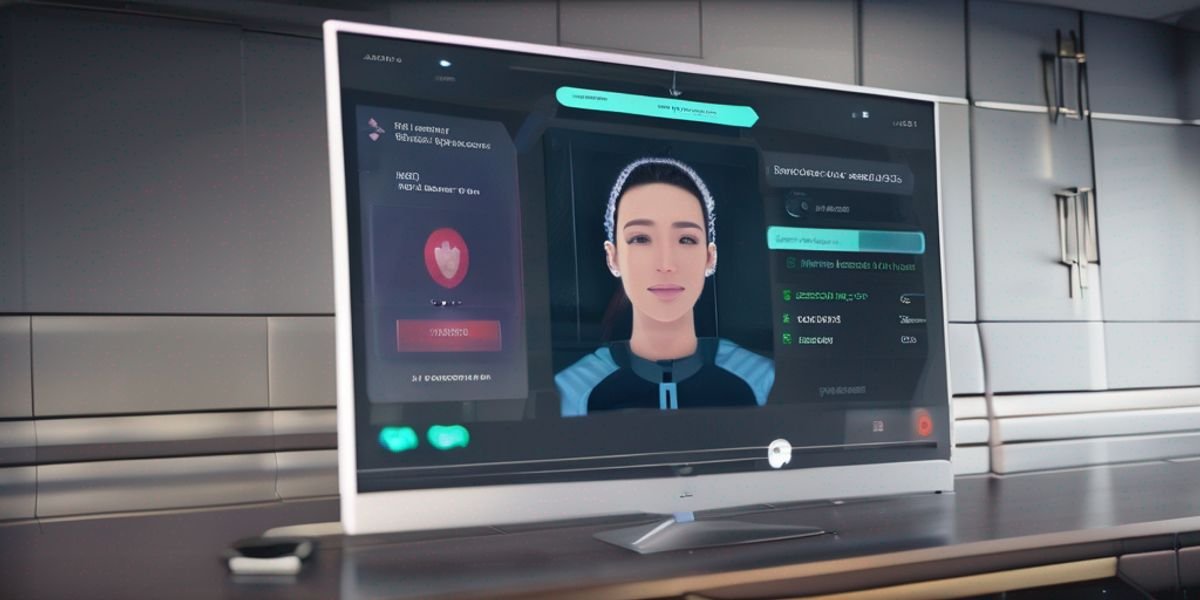
The transformation from basic, rule-based chatbots to advanced conversational agents marks a significant milestone in the evolution of customer service technology. A decade ago, businesses employed early chatbots that operated on predefined scripts, capable of handling only the simplest of queries. These rudimentary bots lacked the ability to engage in natural, human-like conversations, offering limited assistance beyond their programmed responses.
The advent of AI-powered chatbots has revolutionized this landscape. Utilizing machine learning (ML) and natural language processing (NLP), these sophisticated agents can understand context, learn from interactions, and deliver personalized support. Their evolution is evident in their ability to handle complex inquiries, a stark contrast to their script-bound predecessors.
- Early Chatbots: Scripted responses, limited to simple queries.
- AI-Powered Chatbots: Contextual understanding, continuous learning.
- Generative AI Chatbots: Advanced personalization, dynamic conversation generation.
The shift towards AI-driven conversational agents has not only enhanced the user experience but also set a new standard for customer engagement. As these technologies continue to advance, they promise to further blur the lines between human and machine communication, offering unprecedented levels of interaction and service.
Enhancing Customer Service with AI-Powered Interactions
The integration of AI into customer service has transformed the landscape of customer interactions. AI-powered chatbots are now capable of delivering personalized support efficiently, ensuring that each customer feels heard and valued. This shift from transactional to conversational experiences has led to a notable increase in customer satisfaction.
- Personalized Support: AI chatbots leverage data analytics to provide tailored interactions.
- Seamless Integration: These chatbots can be integrated across multiple communication channels.
- Predictive Service: Machine learning enables chatbots to anticipate customer needs.
The future of customer service lies in the ability of AI chatbots to create meaningful and efficient interactions that resonate on a personal level with consumers.
Businesses that adopt AI chatbots benefit from enhanced customer experiences. The use of natural language processing (NLP) and machine learning (ML) allows for a nuanced understanding of customer inquiries, leading to more accurate and helpful responses. As AI technology continues to advance, the role of chatbots in customer service is set to become even more pivotal, balancing the efficiency of automation with the irreplaceable value of human touch.
The Role of Machine Learning in Chatbot Development
Machine learning (ML) is the cornerstone of modern AI chatbot development, enabling systems to learn from data, identify patterns, and make decisions with minimal human intervention. The integration of ML transforms chatbots from simple scripted responders to dynamic conversational agents that can understand and predict user needs.
The true power of ML in chatbots lies in its ability to continuously learn and adapt. This ensures that with every interaction, the chatbot becomes more attuned to the nuances of human conversation.
Here are key steps in leveraging ML for chatbot development:
- Collect and preprocess a large dataset of conversations.
- Utilize ML algorithms to analyze and learn from the data.
- Implement models that can understand and generate human-like responses.
- Regularly update the system with new data to refine its learning.
By following these steps, businesses can create chatbots that not only respond accurately but also offer a personalized experience to users. As ML technology advances, we can expect AI chatbots to become even more sophisticated, further revolutionizing the way we communicate.
Generative AI Chatbots: The Future of Customer Engagement

Anticipating Needs with Predictive Customer Service
The integration of AI in customer service has ushered in an era of predictive customer service, where anticipating customer needs is not just a possibility, but a standard practice. Accenture’s research highlights that a staggering 77% of consumers prefer brands that proactively engage in customer service. AI chatbots, through the analysis of historical data and real-time interactions, are now capable of predicting potential issues and offering preemptive solutions.
AI chatbots are transforming the customer service paradigm by not only reacting to customer issues but also by predicting and addressing them before they escalate.
The synergy between AI and IoT devices is set to redefine service experiences, as chatbots become the bridge between customers and their smart environments. This integration promises a seamless service experience that transcends traditional communication channels.
- Predictive Analytics and Behavioral Insights: AI tools are now adept at analyzing customer behavior and contextual data to foresee needs and personalize interactions.
- Advanced AI Personalization: Future AI chatbots will offer even more nuanced personalization, understanding customer preferences to a granular level.
- Seamless Human-AI Collaboration: The future of customer service lies in the harmonious collaboration between AI chatbots and human agents, ensuring a smooth transition and comprehensive support.
The Impact of Natural Language Processing on User Experience
The advent of Natural Language Processing (NLP) has been a game-changer in the realm of AI chat, transforming the way businesses interact with their customers. NLP enables chatbots to understand and respond to user queries with a level of sophistication that was previously unattainable, leading to a more intuitive and human-like conversation.
The integration of NLP in AI chat systems has not only improved the accuracy of responses but also allowed for a more personalized user experience. By analyzing user input, AI can tailor conversations to individual preferences, making each interaction feel unique and valued.
Here are some key benefits of NLP in AI chat:
- Enhanced understanding of user intent, leading to more relevant responses.
- Reduction in miscommunication, as AI can interpret various linguistic nuances.
- Personalization of interactions by recognizing user patterns and preferences.
According to Gartner, the surge in AI assistance is expected to encompass 70% of customer interactions by 2025, signifying the critical role of NLP in future customer service landscapes. This shift promises not only to streamline responses but also to significantly uplift user satisfaction.
Sentiment Analysis and Personalization in AI Chat
The integration of sentiment analysis in AI chat platforms has revolutionized the way businesses understand and respond to customer emotions. By analyzing text inputs, AI can detect subtle nuances in tone and sentiment, providing a more empathetic and personalized interaction. This technology not only identifies customer moods but also adapts responses accordingly, ensuring a tailored experience that resonates with the user’s current state of mind.
The sophistication of AI-driven personalization extends beyond mere name recognition. It delves into behavioral patterns and preferences, enabling a level of customization that feels genuinely individualized.
Businesses are harnessing these AI capabilities to enhance user experiences significantly. For example, Netflix’s use of AI to recommend content has become a benchmark in delivering personalized entertainment. Similarly, customer service chatbots are now equipped to offer product suggestions and content curation based on individual user profiles. The table below illustrates the impact of sentiment analysis on customer satisfaction:
| Customer Satisfaction Metrics | Before AI Sentiment Analysis | After AI Sentiment Analysis |
|---|---|---|
| Positive Feedback | 40% | 70% |
| Issue Resolution Rate | 50% | 80% |
| Customer Retention | 60% | 85% |
As AI continues to evolve, the potential for even more nuanced and sophisticated personalization grows. The future of customer engagement lies in the seamless blend of AI’s analytical prowess and the human touch, creating a harmonious human-AI collaboration that elevates the customer experience to new heights.
Strategic Implementation of AI Chat in Business
Integrating AI Chatbots into Customer Support Frameworks
The seamless integration of AI chatbots into existing customer support frameworks marks a transformative step in enhancing the customer experience. Ensuring that AI chatbots work in harmony with human agents and existing channels is essential for a unified customer service approach. This integration not only streamlines interactions but also maintains a consistent brand voice across all touchpoints.
- Prepare your team: Educate and train your staff to work alongside AI chatbots, emphasizing the importance of a collaborative customer service environment.
- Channel integration: Connect your AI chatbot with existing communication channels to provide a cohesive experience, whether customers engage with a bot or a human.
- Continuous improvement: Utilize customer feedback and interaction data to refine the AI chatbot’s performance, ensuring it evolves with customer needs and preferences.
The strategic implementation of AI chatbots is not just about deploying technology; it’s about creating a synergy between AI and human intelligence to deliver exceptional customer service. By integrating AI chatbots into customer support frameworks, businesses can offer personalized, efficient, and consistent service around the clock, setting a new standard in customer engagement.
Measuring the ROI of AI Communication Tools
Understanding the return on investment (ROI) for AI communication tools is crucial for businesses to justify their adoption. The ability to quantify the benefits of AI technology is a key driver for strategic decision-making. By analyzing specific metrics, companies can evaluate the effectiveness of their AI chat solutions and make informed investments.
| Metric | Description | Impact on ROI |
|---|---|---|
| Customer Satisfaction | Increase in positive feedback and ratings | Directly correlates to customer retention and revenue growth |
| Response Time | Reduction in average time to address customer queries | Enhances user experience and operational efficiency |
| Cost Savings | Decrease in customer service operational costs | Contributes to overall profitability |
The integration of AI chatbots and virtual assistants into customer support frameworks has shown to significantly improve service quality while reducing costs. This balance is essential for achieving a high ROI.
To accurately measure the ROI of AI communication tools, businesses must consider both tangible and intangible benefits. Tangible benefits include cost savings and increased sales, while intangible benefits encompass improved customer satisfaction and brand reputation. By taking a holistic approach to ROI analysis, organizations can fully grasp the value brought by AI technology.
Overcoming Challenges in AI Chatbot Adoption
Adopting AI chatbots presents a unique set of challenges, but with strategic planning and execution, businesses can navigate these hurdles effectively. Ensuring seamless integration with existing channels is paramount to maintain a cohesive customer experience. Additionally, training the AI with a robust dataset is crucial for the chatbot to learn and adapt to user needs, enhancing its conversational abilities over time.
To foster a successful AI chatbot implementation, it’s essential to personalize interactions and provide continuous learning opportunities for the AI, allowing it to evolve with customer feedback and behaviors.
Cultural and linguistic adaptability is also a key factor, especially for businesses with a diverse customer base. It’s important to ensure that the chatbot can handle multiple languages and cultural nuances to avoid miscommunication and potential damage to the brand’s reputation. Here are some quick tips to help with AI chatbot adoption:
- Integrate your AI chatbot with existing customer service channels.
- Train the AI using comprehensive data to improve learning and adaptation.
- Personalize the chatbot interaction based on customer history and preferences.
- Implement continuous learning to allow the chatbot to evolve.
- Ensure there is a clear path for escalation to human customer support agents when needed.
The Top Advantages of AI-Powered Customer Service

24/7 Availability and Handling High Query Volumes
The integration of AI chatbots into customer service frameworks has revolutionized the way businesses interact with their customers. One of the standout benefits is the ability to offer 24/7 support, ensuring that customer inquiries are addressed at any time, without the constraints of human staff availability. This constant availability is a key factor in enhancing customer satisfaction and loyalty.
AI chatbots excel in managing high volumes of customer interactions, providing immediate and accurate responses to routine questions. Complex queries are seamlessly escalated to human agents, optimizing the customer service process. Here’s how AI chatbots are transforming customer support:
- Instant response: AI chatbots deliver immediate answers, reducing wait times and improving customer satisfaction.
- Scalability: They adapt to fluctuating interaction volumes, ensuring consistent service during peak times.
- Efficiency: By handling routine inquiries, chatbots free up human agents to focus on more complex issues.
The ability to handle numerous conversations simultaneously not only reduces customer wait times but also significantly improves operational efficiency. This dual advantage of AI chatbots is a game-changer in customer service.
With the rise of AI chatbots, businesses are now able to provide a level of service that was previously unattainable. The combination of round-the-clock availability and the capacity to manage large volumes of queries has set a new standard in customer engagement.
Consistency and Personalization in Customer Interactions
In the realm of AI-powered customer service, consistency and personalization are not just buzzwords; they are the pillars of customer satisfaction. AI chatbots, equipped with advanced machine learning algorithms, are now capable of delivering highly personalized experiences. By analyzing customer interaction history and preferences, these virtual assistants can tailor their responses to each individual, ensuring a unique and engaging interaction every time.
The key to successful personalization lies in the AI’s ability to learn and adapt from each interaction, continuously refining its approach to meet the evolving needs of customers.
To achieve this, businesses must focus on several key areas:
- Personalize the Chatbot Interaction: Train your bot to recognize and remember individual customer preferences and interaction histories.
- Implement Continuous Learning and Adaptation: Ensure that your AI chatbot is designed to evolve, utilizing machine learning to improve with every conversation.
- Seamless Human-AI Collaboration: Maintain an infrastructure that allows for easy escalation to human agents when necessary, preserving the human touch.
The future of conversational AI promises even greater levels of personalization, with chatbots becoming adept at understanding customer behaviors and preferences in-depth. This will enable them to offer solutions and conversations that are not just relevant, but also highly specific to each customer’s needs. The balance between technological sophistication and a customer-centric approach is crucial, as it ensures a secure and exceptionally personalized customer experience.
Cost Reduction and Operational Efficiency
In the realm of customer service, AI chatbots are a game-changer for operational efficiency and cost management. By automating routine inquiries and tasks, AI-driven solutions enable businesses to streamline their processes and optimize resource allocation. This not only enhances productivity but also significantly reduces operational costs.
AI chatbots can handle multiple queries simultaneously, slashing wait times and allowing human agents to focus on complex issues. This dual approach ensures a high level of service while maintaining cost-effectiveness.
Here’s a snapshot of the cost implications for traditional vs. AI-powered customer support:
| Support Type | Average Cost per Interaction | Potential Annual Cost Savings |
|---|---|---|
| Human Agent | $2.70 – $5.60 | – |
| AI Chatbot | Fraction of Human Agent Cost | Up to Millions of Dollars |
Nearly 60% of businesses report a significant ROI from integrating chatbots, underscoring the financial wisdom of adopting AI communication tools. The reduction in costs is not merely about trimming expenses; it’s about reinvesting in growth and innovation, turning what was once a cost center into a strategic asset.
Navigating the AI Communication Landscape
Key Players and Innovators in AI Chat Technology
The landscape of AI chat technology is marked by rapid advancements and the emergence of key players that have significantly shaped the industry. Jasper AI burst onto the scene in 2021, setting the stage for generative AI chatbots like ChatGPT and Bard. These platforms, trained on extensive datasets, have revolutionized the capabilities of chatbots, offering more intelligent and nuanced interactions.
The evolution of AI chat technology can be traced back to 2010 with IBM’s Watson, which laid the groundwork for conversational AI. This was closely followed by the introduction of household names such as Apple’s Siri and Amazon’s Alexa, which brought AI into the mainstream.
The current AI chatbot technology has undoubtedly transformed the way businesses interact with their customers, offering more personalized, efficient, and intelligent solutions.
Here is a list of some of the top AI communication tools that are redefining user experiences:
- AI-powered chatbots and virtual assistants
- Conversational platforms utilizing NLP and ML
- Predictive customer service tools
These tools not only enhance user experience but also serve as a testament to the strategic importance of AI in customer engagement. As AI continues to learn and improve, the potential for even more advanced and personalized interactions is on the horizon.
The Intersection of AI and Human Communication
The integration of AI into the realm of human communication has been nothing short of transformative. AI-powered chatbots and virtual assistants are now at the forefront, offering seamless interactions and automating tasks that were once manual and time-consuming. This synergy between AI and human communication is not only enhancing customer service experiences but also redefining the efficiency of our interactions.
- AI communication tools are revolutionizing connectivity and collaboration.
- Predictive analytics and language processing algorithms are key to decision-making.
- AI Image recognition is expanding the capabilities of chatbots beyond text-based interactions.
The convergence of AI and human communication is creating tangible realities where efficiency and user experience are paramount.
The table below highlights the transformative impact of AI on communication:
| Aspect | Before AI | With AI |
|---|---|---|
| Interaction Speed | Slower response times | Instantaneous responses |
| Availability | Limited by human work hours | 24/7 service |
| Personalization | Generic responses | Tailored interactions |
| Task Automation | Manual processes | Streamlined automation |
As we navigate this evolving landscape, it’s clear that AI is not just a tool but a partner in crafting more meaningful and productive communication experiences.
Future Trends and Developments in AI Chat
The trajectory of AI Chat and AI Text technologies is set to redefine the landscape of customer engagement. As we look to the future, several key trends are emerging that will shape the next generation of AI chatbots and virtual assistants.
- Advancements in natural language processing will enable chatbots to understand and respond to users with unprecedented accuracy.
- Predictive analytics will empower AI to anticipate user needs and provide proactive customer service.
- Sentiment analysis will refine the emotional intelligence of AI, allowing for more nuanced and empathetic interactions.
The seamless integration of AI chatbots into the customer support ecosystem will not only enhance the user experience but also revolutionize the efficiency and personalization of customer service.
Furthermore, the strategic implementation of AI will see businesses achieving a balance between automated efficiency and the irreplaceable human touch. The table below succinctly captures the expected advancements in AI chat technologies:
| Feature | Current State | Expected Trend |
|---|---|---|
| Language Understanding | Basic comprehension | Deep contextual understanding |
| Interaction Personalization | Generalized responses | Highly individualized experiences |
| Service Proactivity | Reactive engagement | Predictive and proactive service |
As AI continues to evolve, the integration of these sophisticated capabilities will ensure that AI-powered customer service remains a dynamic and indispensable tool in the business arsenal.
Embracing the Future of Communication: The AI Chat Revolution
The advent of AI chat technology marks a pivotal moment in the evolution of communication. As we have explored, AI-powered chatbots and virtual assistants are not just transforming customer service; they are redefining the very fabric of interaction between businesses and consumers. With capabilities that extend beyond mere transactional exchanges to anticipatory and nuanced conversations, AI chat is setting a new standard for responsiveness and personalization. The integration of machine learning and natural language processing ensures that these tools learn and adapt, offering increasingly sophisticated and human-like interactions. As we stand on the brink of this technological renaissance, it is clear that the rise of AI chat is not a fleeting trend but a cornerstone of future communication strategies. The potential for enhanced user experiences, operational efficiency, and strategic insights is immense, promising a future where AI chat is an indispensable ally in the quest for exceptional customer engagement.
Frequently Asked Questions
What are AI-powered chatbots and how are they transforming customer service?
AI-powered chatbots use artificial intelligence to understand language and context, allowing for more natural and conversational interactions with users. They are transforming customer service by offering personalized, efficient, and intelligent solutions that can learn and improve over time, leading to better customer experiences and satisfaction.
How do generative AI chatbots differ from traditional chatbots?
Generative AI chatbots are a significant advancement over traditional rule-based chatbots. They utilize machine learning (ML) and natural language processing (NLP) to learn from interactions, adapt, and handle a wider range of inquiries with a nuanced understanding of context, similar to human interactions.
What are the top advantages of using AI chatbots for customer service?
The top advantages of using AI chatbots for customer service include 24/7 availability, the ability to handle large volumes of queries, consistent and personalized responses, and reduced operating costs. They also improve the overall user experience by anticipating customer needs and providing more engaging, conversational experiences.
In what ways is AI communication revolutionizing the way businesses interact with customers?
AI communication is revolutionizing business interactions by enhancing customer service experiences with automated tasks and seamless interactions across platforms. AI chatbots and virtual assistants streamline interactions, while predictive analytics aid in decision-making, thereby increasing efficiency and elevating the user experience.
What challenges might businesses face when adopting AI chatbots, and how can they be overcome?
Businesses may face challenges such as integration complexities, customer acceptance, and maintaining a balance between automation and human touch. These can be overcome by choosing the right AI communication tools, providing thorough training, ensuring seamless integration into existing systems, and maintaining a focus on enhancing customer experience.
What future trends and developments can we expect in AI chat technology?
Future trends in AI chat technology include advancements in natural language processing, sentiment analysis, and predictive analytics, which will enhance chatbots’ capabilities to understand and anticipate user needs better. We can also expect more sophisticated personalization and integration with other AI services, leading to more seamless and effective customer interactions.