
The article ‘Beyond Turing: Exploring the Advancements in AI Chat Interactions‘ delves into the profound advancements in artificial intelligence, particularly in the realm of conversational AI. From the pioneering days of the Turing Test to the sophisticated capabilities of GPT-3 and ChatGPT, this examination reveals the transformative impact of AI on software innovation, business processes, and industry evolution. It also highlights the importance of explainable AI in fostering human-AI partnerships and the boundless future applications of this technology.
Key Takeaways
- Conversational AI has evolved from simple Turing Test benchmarks to sophisticated systems like GPT-3, fundamentally altering chat interactions.
- AI integration is revolutionizing both new software development and the upgrading of legacy systems, enhancing user experiences and business processes.
- Business transformation is increasingly synonymous with AI transformation, driving innovation and redefining corporate strategies.
- Explainable AI (XAI) is critical for transparent, safe AI deployment, merging disciplines like psychology with technology for better human-AI understanding.
- AI’s potential is boundless, influencing future industries by revolutionizing entertainment, legal sectors, and beyond, with new applications continually emerging.
The Evolution of Conversational AI

From Turing Test to GPT-3: A Historical Perspective
The journey from the inception of the Turing Test to the development of GPT-3 marks a significant evolution in the field of conversational AI. The Turing Test, once a benchmark for machine intelligence, has been transcended by the capabilities of modern AI systems like GPT-3. With 175 billion parameters, GPT-3 has demonstrated an unprecedented level of language understanding and generation, prompting a reevaluation of what AI can achieve.
Emergent capabilities of these large language models suggest that they are surpassing the initial design intentions, leading to a need for new scientific approaches to understand their potential and limitations. The complexity of these models also brings to light the challenges in constructing tests that can accurately assess AI intelligence, as the vast corpus of web data they draw from often contains pre-existing answers.
The development of GPT-3 and similar models has not only been a technical milestone but also a catalyst for broader discussions on the future of AI.
The cost and computational power required to build such models are substantial, yet the rise of open-source AI initiatives is making access to these technologies more inclusive. This democratization is a pivotal step in the software revolution, intertwining business transformation with AI transformation.
Understanding Natural Language: Breakthroughs and Challenges
The quest to perfect natural language understanding (NLU) has been a cornerstone of AI advancements. Large Language Models (LLMs) like GPT-3 have revolutionized this domain, offering unprecedented capabilities in generating human-like text and facilitating multilingual communication. However, the journey is fraught with challenges that continue to push the boundaries of what machines can comprehend.
- Breakthroughs in NLU:
- Advanced predictive algorithms
- Improved contextual understanding
- Enhanced multilingual support
- Challenges Remaining:
- Capturing nuances and idiomatic expressions
- Addressing ethical concerns
- Ensuring data privacy and security
The interplay between these breakthroughs and challenges defines the current state of NLU. It’s a dynamic field where each advancement brings new possibilities and complexities.
As we navigate the intricacies of NLU, it’s crucial to recognize the balance between technological prowess and the ethical implications of AI. The ability to process and generate language is just one facet of the broader AI ecosystem that demands continuous innovation and responsible stewardship.
The Impact of Large Language Models on Chat Interactions
The advent of Large Language Models (LLMs) has revolutionized the AI Chat landscape, offering unprecedented capabilities in understanding and generating human-like text. These models have become the backbone of sophisticated AI Chat systems, enabling them to engage in more coherent and contextually relevant conversations than ever before.
The transformative effect of LLMs on AI Chat interactions can be summarized in a few key points:
- Enhanced comprehension of user intent
- Improved accuracy in responses
- Ability to maintain context over longer conversations
- Generation of more natural and varied language
One of the most significant breakthroughs has been the ability of AI Chat systems to self-improve through continuous learning. This iterative refinement process ensures that chat interactions become more fluid and natural over time, closely mimicking human dialogue.
The integration of LLMs into AI Chat platforms has not only improved the user experience but also expanded the potential applications of chatbots across various industries.
However, developing an LLM from scratch involves substantial investment in computational resources and time. By utilizing pretrained models, developers can achieve high performance with less data and computation, making AI Chat technology more accessible and scalable. As we embrace 2024, the impact of LLMs on AI Chat is poised to grow, further blurring the lines between human and machine communication.
AI in the Software Revolution

Infusing New Software with AI: A Leap Forward
The integration of AI technology into new software development marks a significant leap forward in the digital landscape. AI infuses new software with capabilities that were once the realm of science fiction, enabling applications to not only understand user behavior but also adapt to preferences and improve autonomously through machine learning.
- AI-driven chatbots offer personalized user experiences, enhancing engagement and satisfaction.
- Recommendation engines powered by AI technology tailor content and suggestions to individual users, driving up relevance and value.
- AI Image analysis transforms the way software interacts with visual data, opening up new avenues for creative and analytical applications.
The AI revolution in software development is not just about innovation; it’s about transforming the very fabric of how software interacts with data and users, making every interaction more intuitive, efficient, and insightful.
As AI continues to advance, it becomes a critical tool for both crafting innovative software solutions and revitalizing existing ones. The AI revolution is here to empower the journey into the future of software, where every piece of code can harness the true power of data and machine intelligence.
Legacy Systems and AI Integration: Bridging the Gap
Integrating AI into legacy systems represents a transformative leap for aging software, enabling a new era of efficiency and functionality. Machine learning algorithms serve as a bridge, retrofitting these systems to meet modern demands without the need for complete overhauls. This integration can manifest in various enhancements:
- Introduction of natural language processing to improve user interfaces
- Automated data anomaly detection for more reliable operations
- Predictive tools for proactive system maintenance
By infusing AI into legacy systems, businesses can extend the life of their investments, making them more adaptable and insightful.
The process of AI integration into legacy systems is not without its challenges. It requires careful planning, a deep understanding of the existing infrastructure, and a strategic approach to implementation. However, the benefits of such an integration are clear, offering a cost-effective solution to modernize and revitalize essential software systems.
Open-Source AI: Democratizing Access to Advanced Capabilities
The open-source movement in AI has been pivotal in leveling the playing field, allowing a diverse range of individuals and organizations to participate in the development and application of AI technologies. Open-source AI platforms have catalyzed innovation, enabling developers to build upon each other’s work, which reduces costs and fosters a more inclusive environment.
One of the key figures in this movement, Dr. Li, has been instrumental in advocating for AI democratization. Her initiatives, such as AI4ALL, aim to broaden diversity in AI education and research, ensuring responsible and ethical AI development. Similarly, Goodfellow’s advocacy for open-source software has significantly contributed to a more accessible AI community.
The trend towards open-source AI is not just a matter of accessibility; it’s a strategic imperative for continuous innovation:
- Open-source projects encourage collaborative development.
- They provide a foundation for learning and experimentation.
- They ensure transparency and foster trust in AI systems.
- They enable smaller entities to compete with larger corporations.
The democratization of AI through open-source initiatives is not just a technological shift but a cultural one, promoting inclusivity and collective progress in the field of artificial intelligence.
AI-Driven Business Transformation

Redefining Business Processes with AI
The integration of Artificial Intelligence (AI) into business processes is not just an upgrade; it’s a complete transformation. AI is redefining the way businesses operate, innovate, and deliver value to customers. By automating routine tasks, AI enables employees to focus on more strategic activities, fostering an environment of creativity and advanced problem-solving.
- Automation of Mundane Tasks: AI systems can handle repetitive and time-consuming tasks, freeing up human resources for more complex challenges.
- Predictive Analytics: Leveraging AI for data analysis helps businesses anticipate market trends and customer behavior.
- Enhanced Customer Experience: AI-driven chatbots and personalized recommendations elevate customer service to new heights.
- Optimized Operations: AI algorithms streamline operations, reducing costs and improving efficiency.
The true potential of AI in business lies in its ability to not only automate but also to empower. By harnessing the power of AI, businesses can unlock new opportunities for growth and innovation.
As AI technology continues to evolve, it becomes increasingly crucial for businesses to adapt and integrate these advancements to remain competitive. The companies that succeed in seamlessly blending AI with their core processes will be the ones leading their industries into the future.
AI as a Catalyst for Innovation in Corporate Settings
In the corporate world, Artificial Intelligence (AI) is a powerful force driving innovation and growth. Companies leveraging AI are not only streamlining processes but are also fostering a culture of continuous improvement and creativity. AI-driven tools enhance collaboration, allowing for seamless knowledge sharing and project coordination, which is essential in today’s fast-paced business environment.
- AI offers intelligent collaboration tools that promote a more collaborative work environment.
- AI skills are increasingly in demand, shaping the future of various industries.
- AI’s transformative capabilities can mitigate software engineer burnout, improving engagement and productivity.
AI’s potential is not confined to process optimization; it also plays a pivotal role in shaping work culture and policies, leading to a more engaged and efficient workforce.
As AI reshapes the workplace, it becomes a key ally in addressing challenges such as the software engineer burnout crisis. The integration of AI in corporate settings is not just about technology; it’s about creating a symbiotic relationship where AI and human ingenuity together unlock new realms of possibilities.
Natural Language Interfaces: The Future of User Interaction
The advent of AI Text interfaces marks a pivotal shift in how we interact with technology. Natural language interfaces are redefining user interaction, moving beyond the confines of structured input methods to a more intuitive, conversational experience. This evolution is not just about convenience; it’s a transformative approach that enhances accessibility and inclusivity, allowing a broader range of users to engage with software and services.
The integration of large language models into user interfaces is revolutionizing the way we communicate with machines. By understanding and generating human-like text, these AI systems are breaking down barriers between complex technology and everyday users.
The implications of this shift are vast, impacting various sectors from healthcare to entertainment. Here’s a glimpse into the potential changes:
- Healthcare: Simplifying patient interactions with medical software
- Entertainment: Creating immersive, interactive narratives
- Customer Service: Providing instant, natural language responses to inquiries
- Education: Tailoring learning experiences through conversational AI
As we harness the power of AI Text, the horizon of possibilities continues to expand, promising a future where our interactions with machines are as natural as those with our fellow humans.
Explainable AI: Bridging the Human-AI Understanding Gap
The Role of XAI in Enhancing Human-AI Partnerships
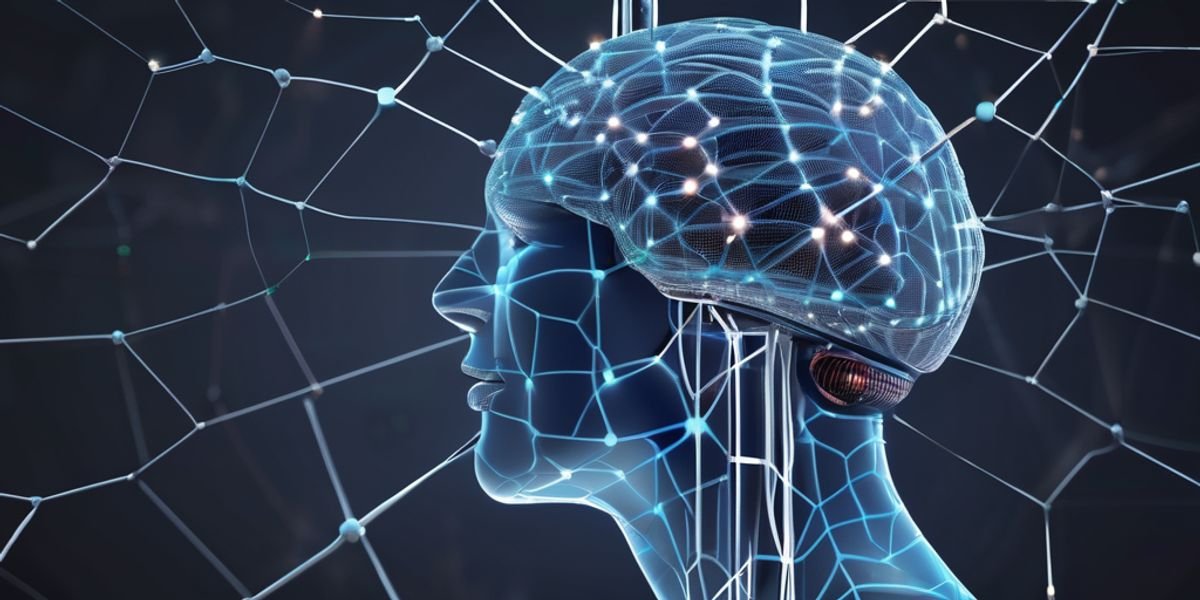
Explainable AI (XAI) has become a cornerstone in the realm of artificial intelligence, ensuring that AI’s decision-making processes are transparent and understandable to humans. This transparency is vital for fostering trust and collaboration between humans and AI systems, particularly in critical domains such as finance, healthcare, and law.
- AI-driven collaboration tools leverage XAI to provide seamless knowledge sharing and project coordination.
- XAI stands at the intersection of AI, human-computer interaction, and social sciences, including psychology.
- Workshops and seminars on XAI, such as the Causal XAI Workshop, facilitate networking and knowledge exchange among experts.
The integration of XAI in AI systems not only demystifies the AI’s operations but also empowers users to confidently deploy and interact with AI, knowing the rationale behind its conclusions.
The implementation of XAI is not just about algorithmic accountability; it’s about building a future where AI and humans work in synergy, enhancing the work culture and driving innovation. As AI continues to evolve, the role of XAI in human-AI partnerships will undoubtedly become more pronounced, shaping the future of work and collaboration.
Psychology Meets AI: The Social Science Perspective
The intersection of psychology and artificial intelligence (AI) is a burgeoning field that shines a light on the human aspects of technology. As AI systems become more prevalent, understanding the psychological underpinnings of human-AI interaction is crucial for creating systems that are not only technically proficient but also socially and ethically aware.
- Societal Metamorphosis
- Ethical Dimensions
The next five years of AI development promise substantial societal changes, influencing human behavior and potentially automating tasks currently within the human domain. With AI’s pervasive growth, ethical considerations take center stage, necessitating a focus on privacy protection, ethical implications, and the societal impact.
The role of Explainable AI (XAI) is becoming increasingly significant (alongside AI itself), given its crucial role in supporting human-AI partnerships.
Addressing these challenges requires a multidisciplinary approach, integrating insights from data science, machine learning engineering, software development, and user experience (UX) design. This collaboration will pave the way for AI systems that are intelligible, equitable, and aligned with human values.
Applications of XAI in Finance, Healthcare, and Law
Explainable AI (XAI) is transforming industries by making complex AI systems transparent and understandable. In finance, XAI demystifies algorithmic trading and risk assessment, fostering trust among stakeholders. Healthcare benefits from XAI through enhanced diagnostic tools and personalized treatment plans, ensuring patient-centric care. The legal sector leverages XAI for evidence analysis and case prediction, streamlining judicial processes.
XAI stands at the forefront of innovation, serving as a bridge between advanced AI technologies and practical, human-centric applications.
In each of these sectors, XAI addresses the need for clarity and accountability:
- Finance: Clarifying investment algorithms and credit scoring systems.
- Healthcare: Interpreting medical imaging and patient data for better outcomes.
- Law: Analyzing legal documents and predicting case results with greater transparency.
The integration of XAI in these fields not only enhances decision-making but also reinforces ethical standards by providing insights into AI’s reasoning processes. As industries continue to evolve, the role of XAI will be pivotal in ensuring that AI advancements remain aligned with human values and societal norms.
AI’s Role in Shaping Future Industries
Revolutionizing Entertainment with AI
The entertainment industry is undergoing a seismic shift thanks to the integration of Artificial Intelligence (AI). AI is not just an addition but a transformative force, reshaping everything from gaming experiences to music production. In gaming, AI is the invisible hand crafting intricate worlds and responsive characters, enhancing the immersive experience for players. Music production, too, has been revolutionized by AI’s ability to generate original compositions and perform intelligent vocal synthesis.
The magic of AI extends to the realm of content accessibility. Automated subtitle generation is a testament to AI’s role in breaking down language barriers, making global content universally accessible.
AI’s influence in entertainment is multifaceted, as illustrated below:
- Workflow automation streamlines production processes, allowing for more efficient content creation.
- Personalized content recommendations cater to individual preferences, elevating the user experience.
- AI-driven marketing strategies enable more targeted and effective promotional campaigns.
As AI continues to evolve, its applications in entertainment are only set to expand, promising a future where technology and creativity converge to deliver unparalleled experiences.
Legal Sector Transformation through AI
The legal sector is undergoing a significant transformation, thanks to the integration of Artificial Intelligence (AI). AI automation is revolutionizing operations such as contract analysis and legal research, streamlining processes to improve efficiency and accuracy. The use of predictive analytics in law is empowering legal professionals by providing them with tools for informed decision-making and effective data management.
- AI-driven document review reduces the time spent on manual analysis.
- Predictive analytics aid in forecasting legal outcomes, enhancing strategic planning.
- Natural Language Processing (NLP) enables the extraction of relevant information from unstructured data.
- AI-powered chatbots provide immediate assistance for basic legal inquiries, improving client service.
The adoption of AI in the legal field is not just about efficiency; it’s about reshaping the very fabric of legal operations, creating a new paradigm where technology and law intersect to deliver justice more effectively.
AI’s Expanding Horizon: Beyond Current Applications
The trajectory of Artificial Intelligence (AI) is one of boundless expansion, with its influence extending into realms yet to be fully realized. AI’s potential to innovate is not confined to current applications; it is an ever-evolving frontier. As we look to the future, the integration of AI into new domains promises to unlock a myriad of possibilities, transcending traditional boundaries and fostering a new era of technological advancement.
The charm of AI lies not only in its ability to streamline processes and enhance efficiency but also in its transformative power to redefine industries and create new paradigms of operation.
AI’s versatility allows it to be a catalyst for change across various sectors. Here are some key areas where AI’s influence is poised to grow:
- Healthcare: Enhancing diagnostic accuracy and personalizing treatment plans.
- Transportation: Improving safety and efficiency in autonomous vehicle systems.
- Manufacturing: Optimizing production lines and predictive maintenance.
- Customer Experience: Tailoring services through predictive analytics and natural language processing.
As AI continues to advance, the importance of equipping individuals with AI skills becomes paramount. Those at the forefront of AI development will play a pivotal role in shaping the future landscape, driving innovation, and harnessing the full potential of AI’s capabilities.
Conclusion
As we stand on the brink of a new era in artificial intelligence, the advancements in AI chat interactions are not just incremental; they are transformative. From the rise of GPT-3 and ChatGPT to the integration of AI in various sectors such as entertainment, law, and healthcare, we are witnessing a paradigm shift in how we interact with technology. The development of open-source AI platforms is democratizing access to this powerful tool, enabling a wave of innovation and inclusivity. However, with great power comes great responsibility. The need for explainable AI (XAI) has never been more critical, as it ensures that AI advancements remain comprehensible and controllable by humans. As AI continues to evolve, it is imperative that we develop new scientific approaches to fully grasp its capabilities and limitations, ensuring that AI serves as a benevolent partner in our quest for progress and prosperity.
Frequently Asked Questions
How have AI advancements like GPT-3 changed the landscape of conversational AI?
AI advancements such as GPT-3 have significantly transformed conversational AI by providing more human-like text generation and understanding. These systems showcase an ability to comprehend context, generate coherent and relevant responses, and even exhibit creativity, thus pushing the boundaries of AI’s capabilities in chat interactions.
What role does Explainable AI (XAI) play in AI-driven industries?
XAI plays a crucial role in AI-driven industries by making AI systems more transparent and understandable to humans. This enhances human-AI partnerships, particularly in sectors like finance, healthcare, and law, where decision-making relies on clarity and trust in AI’s data-driven methods.
How is AI integration affecting legacy software systems?
AI integration is enabling legacy software systems to adapt to modern requirements by adding capabilities such as predictive analytics, intelligent automation, and enhanced user interaction. This bridging of the gap allows older systems to remain relevant and efficient in today’s tech landscape.
What is the significance of open-source AI in the development of AI technologies?
Open-source AI is crucial for democratizing access to advanced AI capabilities. It allows developers to build upon each other’s work, reducing costs and fostering innovation through collaboration. This inclusivity accelerates the development and adoption of AI across various sectors.
How is AI redefining business processes and what are the implications?
AI is redefining business processes by automating routine tasks, providing deep insights through data analysis, and enhancing customer experiences with personalized services. The implications are vast, leading to increased efficiency, innovation, and the potential for new business models.
In what ways is AI expected to shape the future of industries beyond its current applications?
AI is expected to shape the future of industries by introducing advancements in healthcare, transportation, manufacturing, and customer service. Its ability to process vast amounts of data and learn from it means that AI can find applications in virtually any field, leading to revolutionary changes and improvements.