
The article ‘AI Chat Revolution: Redefining Human-Machine Interaction’ delves into the transformative world of conversational AI, with a spotlight on ChatGPT role in pioneering this new era. It explores the synergy between natural language processing, machine learning, and the continuous evolution of AI algorithms that are enhancing human-machine interactions in unprecedented ways. This piece also examines the practical implications of AI in customer service, its adaptability, and the ethical considerations that come with its integration into society.
Key Takeaways
- Conversational AI, led by innovations like ChatGPT, is revolutionizing how humans interact with machines, offering advanced assistance and personalized experiences.
- The integration of AI in customer service has led to increased efficiency, cost savings, and competitive advantages for businesses in the digital marketplace.
- AI’s ability to learn and adapt continuously is driving the optimization of its performance, promising an enriched technological landscape for the future.
- While ChatGPT showcases the potential of conversational AI, it is essential to address its limitations and the ethical considerations of its application.
- Looking forward, the potential of ChatGPT and conversational agents is boundless, with implications for seamless human-AI interaction across various sectors including education, entertainment, and task automation.
The Dawn of Conversational AI

ChatGPT: Pioneering the New Era
The advent of ChatGPT marks a significant milestone in the AI Chat and AI Text landscape. This advanced Artificial Intelligence assistant, developed by OpenAI, leverages the GPT-3.5 architecture to deliver human-like text responses that are contextually relevant and engaging. ChatGPT’s dynamic conversational abilities surpass traditional chatbots, setting a new standard for human-machine interaction.
- ChatGPT’s proficiency in natural language processing (NLP) allows for coherent and context-aware dialogues.
- Its versatility spans a range of applications, from content creation to coding assistance.
- The AI’s continuous learning capabilities ensure it evolves with user interactions, enhancing its performance over time.
ChatGPT’s emergence as a conversational AI pioneer is not just a technological triumph but a harbinger of the future of digital communication.
The journey from inception to prominence for ChatGPT has been fueled by breakthroughs in NLP and machine learning. As we witness the continuous evolution of these technologies, ChatGPT stands as a testament to the transformative power of conversational AI.
The Impact of NLP and Machine Learning
The integration of Natural Language Processing (NLP) and Machine Learning (ML) has been pivotal in advancing the capabilities of AI chat systems. These technologies have transformed the landscape of human-machine interaction, enabling machines to understand and respond to human language with unprecedented accuracy. The synergy between NLP and ML has led to the development of AI that can learn from interactions, improve over time, and provide personalized experiences.
- Machine Learning Platforms: Essential for data analytics, customer segmentation, fraud detection, and market analysis.
- Chatbots and Virtual Assistants: Handle customer queries and support tasks, enhancing customer service efficiency.
- Natural Language Processing: Interprets human language, aiding in sentiment analysis and language translation.
The rise of AI-powered virtual assistants and chatbots has revolutionized customer interactions, driving more personalized and efficient user experiences.
The continuous evolution of these technologies ensures that AI systems are not static; they adapt and refine their understanding, optimizing performance. This ongoing progress is crucial for maintaining the relevance and effectiveness of AI in a rapidly changing digital environment.
Redefining Human-Machine Interactions
The advent of AI has ushered in a new paradigm of human-machine collaboration. AI is not replacing human workers; it is enhancing human capabilities by taking over repetitive tasks and freeing individuals to focus on creative and strategic endeavors. This symbiotic relationship is fostering an environment where innovation thrives, and the potential for human achievement is amplified.
The synergy between AI and human expertise is the catalyst for unprecedented innovation in the tech industry.
The ethical implications of AI are as significant as its technical advancements. Balancing AI’s strengths with the irreplaceable human touch is crucial for fostering responsible development and use. While AI can augment human creativity, it cannot replicate the depth of human emotion and empathy.
- AI-driven automation of routine tasks
- Human focus on creativity and problem-solving
- Strategic decision-making enhanced by AI insights
- Ethical considerations in AI deployment
As we chart the course for the future, it is clear that AI will continue to transform our interactions with technology, making them more intuitive and efficient. The journey ahead promises a harmonious blend of artificial intelligence and human ingenuity, leading to a future where the full spectrum of human potential can be realized.
AI-Powered Efficiency in Customer Service
Revolutionizing Customer Interactions
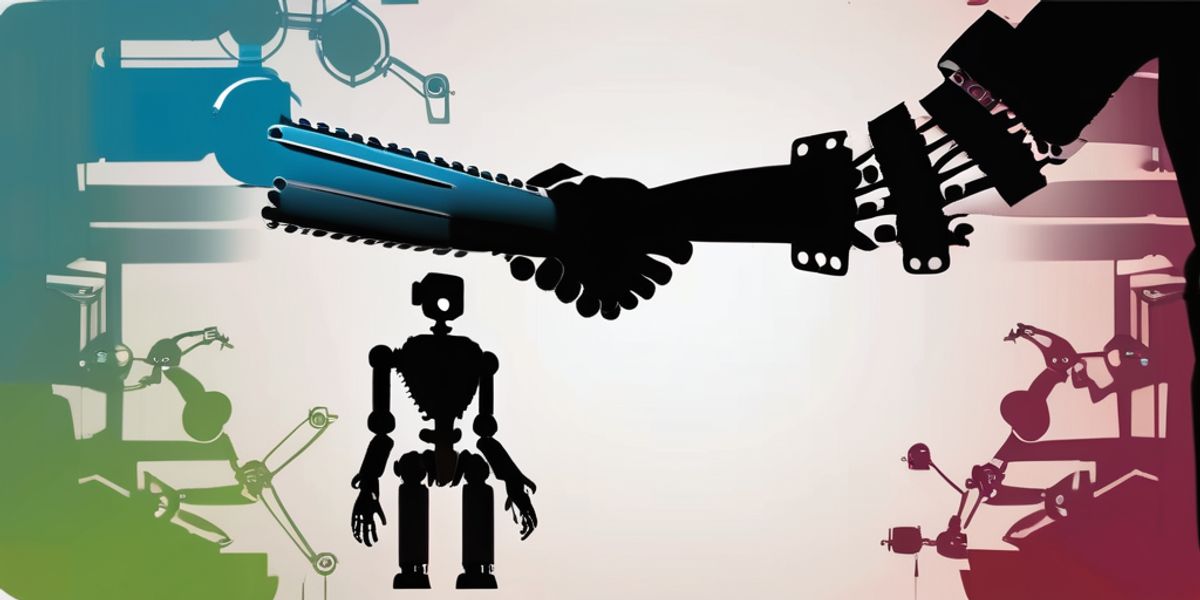
The integration of AI into customer service is not just a trend; it’s a transformative movement that is redefining the customer experience. AI-powered chatbots and virtual assistants are now at the forefront, providing instant, 24/7 support to customers across various industries. These intelligent systems are capable of handling a wide range of queries, from simple FAQs to complex transactions, with remarkable efficiency and consistency.
The adoption of AI in customer service is a strategic move that can lead to significant improvements in customer satisfaction and loyalty. By automating routine tasks, businesses can free up human agents to focus on more complex and emotionally nuanced interactions.
The benefits of AI in customer service are numerous, and here are some key points to consider:
- AI chatbots can handle multiple interactions simultaneously, reducing wait times for customers.
- Personalization of customer interactions is enhanced through AI’s ability to analyze data and learn from past interactions.
- The integration of AI leads to cost savings by reducing the need for a large customer service workforce.
In conclusion, the revolution in customer interactions is driven by the strategic implementation of AI solutions. These technologies not only elevate service standards but also provide a competitive edge by ensuring customer needs are met with unprecedented speed and precision.
Cost Reduction and Productivity Gains
The integration of AI in customer service is not just about enhancing user experiences; it’s a strategic move towards significant cost reduction and productivity gains. By automating routine inquiries and support tasks, AI chatbots like ChatGPT enable businesses to allocate human resources to more complex issues, thereby optimizing workforce efficiency.
- Optimize Supply Chains: AI systems can analyze vast amounts of data to streamline supply chain operations, reducing waste and costs.
- Boosting Productivity: Generative AI, such as GANs, automates repetitive tasks, freeing up employees for strategic work.
- Enhanced Productivity: AI’s multifunctional capabilities simplify tasks and provide quick solutions, increasing overall productivity.
- Improved User Experiences: Personalized and context-aware support from AI leads to higher user satisfaction.
- Competitive Edge: Businesses that leverage AI effectively can gain a significant advantage in the marketplace.
Maximizing the benefits of AI in task automation involves regular assessment of workflows and investment in user-friendly solutions. Adequate training for employees managing automation is also crucial for realizing the full potential of AI-driven cost savings and productivity enhancements.
Competitive Advantages in the Digital Marketplace
In the digital marketplace, the integration of AI in customer service is not just a trend; it’s a strategic move that can significantly enhance a company’s competitive position. Businesses that leverage AI-driven customer service solutions often see a marked increase in customer retention rates. For instance, companies with robust omnichannel engagement strategies retain an average of 89% of their customers, a stark contrast to the 33% retention rate of those with weaker strategies.
The power of personalization is a key factor in this competitive advantage. By delivering tailored experiences, businesses can transcend generic support, offering solutions that resonate more deeply with individual customer needs. This approach not only satisfies customers but also fosters loyalty, which is crucial in a market where options are plentiful and switching costs are low.
The strategic implementation of AI in customer service is a game-changer, enabling businesses to outpace competitors and secure a dominant position in the marketplace.
Furthermore, the continuous improvement of service quality through customer feedback and analytics is essential. It ensures that businesses remain agile and responsive to the evolving demands of the digital landscape, thereby sustaining their competitive edge. In conclusion, the intersection of AI and customer service is where businesses can truly differentiate themselves and achieve long-term success.
The Continuous Evolution of AI Algorithms
Adaptation and Learning: The Core of AI Progress
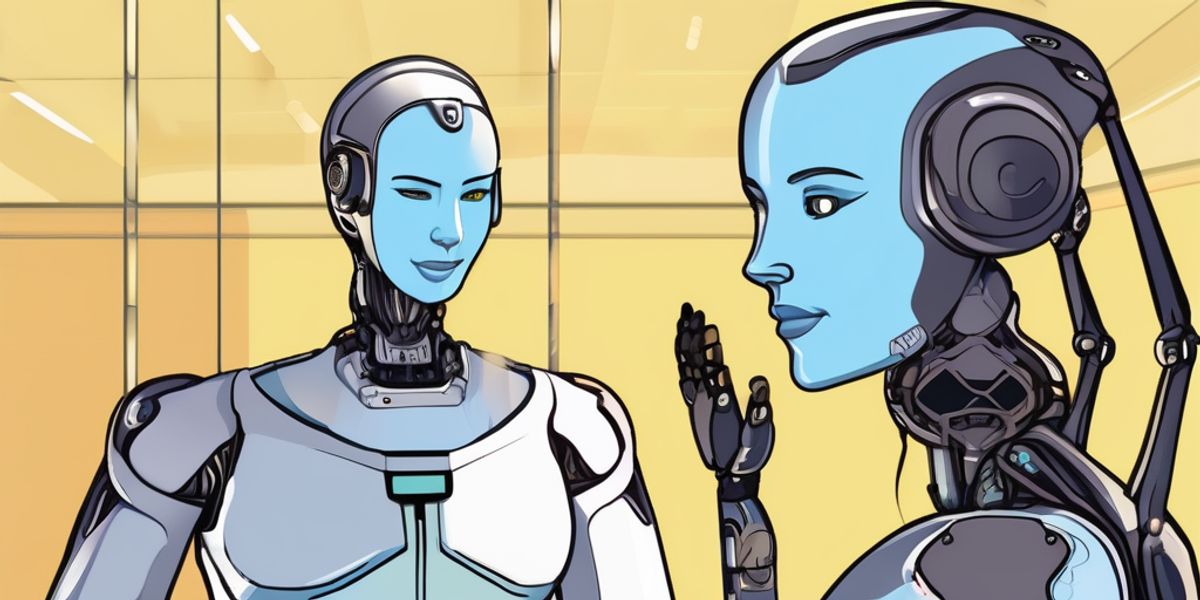
At the heart of AI’s transformative power is its capacity for continuous learning and adaptation. This dynamic process enables AI systems to refine their understanding over time, leading to optimized performance and a richer technological ecosystem. For instance, the evolution of AI algorithms in areas like natural language processing and machine learning has been pivotal in creating more personalized and efficient user experiences.
- AI algorithms learn from interactions and data, improving accuracy.
- Adaptation to user feedback refines AI behavior, enhancing relevance.
- Continuous updates ensure AI systems remain at the cutting edge.
The adaptability of AI is not just about refining existing capabilities; it’s about evolving with the user’s needs, ensuring that every interaction is more intuitive than the last.
The integration of AI across various sectors has had a profound impact on predictive analysis, personalized recommendations, and streamlined decision-making. As AI continues to learn and adapt, its role in augmenting and automating processes only grows more significant, paving the way for a future where AI and human intelligence work in seamless synergy.
Enhancing Technological Landscapes
The integration of AI Technology into the IT sector has been transformative, marking a significant shift towards more agile and responsive business models. AI-driven tech companies are at the vanguard, leveraging AI to overcome traditional inefficiencies and talent mismatches. This synergy between AI and technology is not just about operational efficiency; it’s about setting a new standard for innovation and adaptability.
The transformative impact of AI is evident across various domains, including the burgeoning field of AI Image processing. This technology has revolutionized the way we interact with digital media, enabling more sophisticated and intuitive user experiences.
The smart utilization of AI extends beyond mere process optimization. It is a catalyst for strategic decision-making, security enhancement, and sustainability, shaping a future where business evolution is synonymous with technological advancement.
Here’s how AI is enhancing technological landscapes:
- Streamlining business operations for increased efficiency.
- Fueling innovation with data-driven insights.
- Enabling strategic decision-making through predictive analytics.
- Enhancing security measures with intelligent threat detection.
- Contributing to sustainability through optimized resource management.
Future Prospects: Smarter and More Intuitive AI
As we stand on the brink of new advancements in AI, the future prospects of smarter and more intuitive artificial intelligence are not just promising—they are inevitable. The integration of AI across diverse sectors is revolutionizing predictive analysis, personalized recommendations, and decision-making processes. This integration is a testament to AI’s transformative role in enhancing user experiences and driving efficiency.
The continuous evolution of AI algorithms is characterized by their ability to learn and adapt. This adaptability is crucial for optimizing performance and enriching the technological landscape. Here are some key areas where AI’s future development is anticipated:
- Refinement of Natural Language Processing (NLP): Enhancing the understanding of human language.
- Advancements in Computer Vision: Improving the way machines interpret and interact with visual data.
- Machine Learning Breakthroughs: Creating systems that learn more effectively from data.
- Generative AI: Expanding the creative potential in various domains.
The journey ahead for AI is filled with limitless possibilities. As AI becomes more integrated into our daily lives, its role in augmenting human capabilities will become more pronounced, allowing us to focus on creativity, problem-solving, and strategic decision-making.
While handling unknowns and scattered topics is an area that continues to progress, the creativity and potential of AI cannot be ignored. The alliance of AI with tech companies is a clear indicator of the boundless opportunities that await us. The future of AI is not just about smarter algorithms, but about creating an ecosystem where human and machine intelligence coalesce to unlock unprecedented possibilities.
ChatGPT: Beyond the Hype
Understanding ChatGPT’s Capabilities
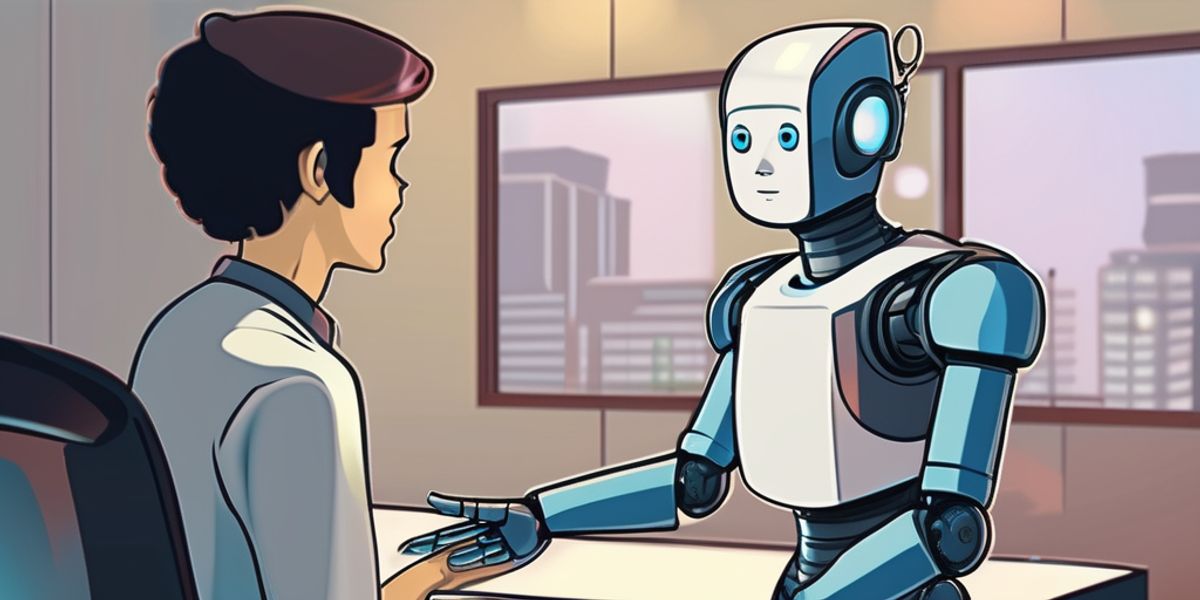
ChatGPT, developed by OpenAI, is not just another chatbot. It’s a sophisticated AI assistant that leverages the GPT-3.5 architecture to deliver context-aware, human-like interactions. Its ability to understand and generate text that feels genuinely conversational has set a new benchmark in AI communication.
- Versatility in handling various topics and contexts
- Adaptability to different applications
- Proficiency in natural language processing
ChatGPT’s dynamic engagement in conversations and its continuous learning mechanism make it an invaluable asset across numerous fields, from customer service to coding assistance.
However, it’s important to recognize that while ChatGPT is a powerful tool, it does have limitations. These include the lack of real-time data access and the inability to execute commands, which necessitates a combination of AI and human oversight for optimal performance.
Real-World Applications and Case Studies
The integration of ChatGPT and similar AI technologies into real-world scenarios has demonstrated substantial benefits across various industries. Healthcare, customer service, and education are prime examples of sectors revolutionized by conversational AI.
In healthcare, voice-activated systems like 3M’s M*Modal are enhancing patient care by streamlining documentation processes. Customer service has seen a surge in efficiency with AI chatbots handling routine inquiries, allowing human agents to focus on complex issues. Education has been transformed by AI’s ability to provide personalized learning experiences and instant feedback.
The potential of AI to optimize tasks and workflows has been vividly illustrated through numerous case studies, showcasing its ability to adapt to diverse organizational functions.
Here are some notable use cases identified through research and practical application:
- Chatbot for documentation and community articles
- Low-code assistants for application development
- Automated data analysis for predictive insights
- Contextual insights for enhanced decision-making
- Automated integration for streamlined operations
These applications not only underscore the versatility of AI but also highlight the continuous evolution of its capabilities, paving the way for more intuitive and smarter technology solutions.
Limitations and Ethical Considerations
While AI chatbots like ChatGPT have made significant strides, they are not without limitations and ethical concerns. Businesses must navigate these challenges carefully to maintain trust and integrity. Ethical and privacy considerations are paramount, requiring proper consent, data protection, and measures to prevent bias or discrimination.
- Misinterpretation and security concerns
- Limited domain-specific knowledge
- Dependency on input quality
- Over-reliance on past data
- Need for event-specific feedback
Combining AI capabilities with human oversight is crucial to mitigate these constraints and enhance performance. The potential for misuse, such as the spread of misinformation and AI-driven scams, poses a significant threat to societal trust. Authenticity, copyright, and the potential for misuse require careful consideration.
As we embrace AI conveniences, the human touch remains irreplaceable. AI can complement human creativity, but cannot yet replicate the nuances of emotion, empathy, and personal experience that humans bring to interactions. Balancing AI strengths with the value of human insight is essential for responsible development.
Looking Ahead: The Boundless Potential of Conversational Agents
The Road to Seamless Human-AI Interaction
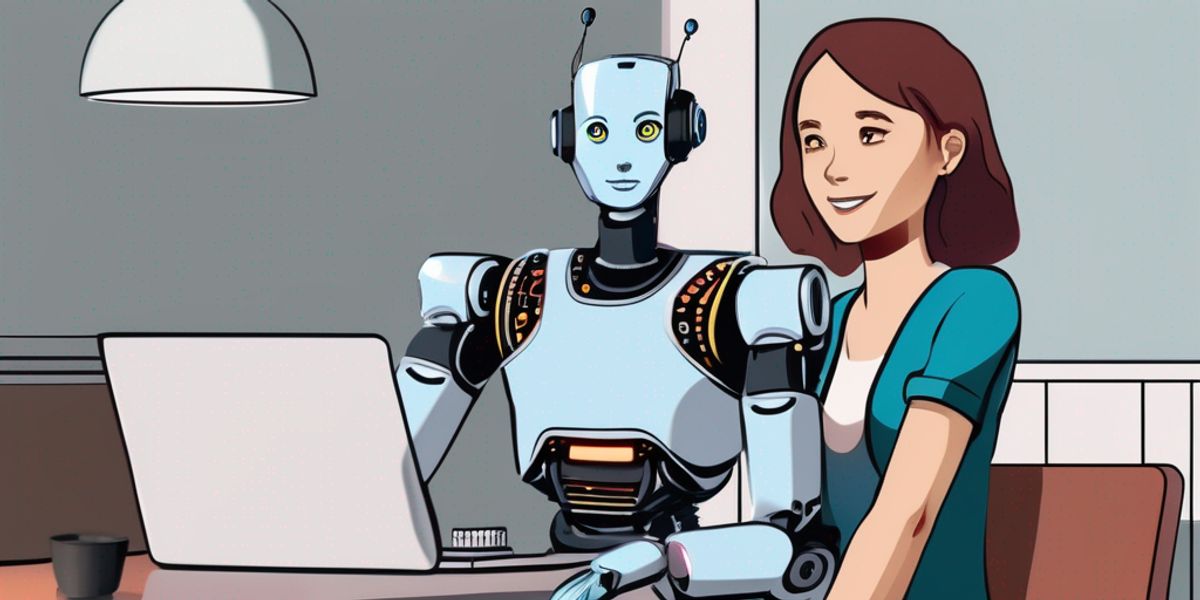
The journey towards seamless human-AI interaction is marked by continuous advancements in AI capabilities. ChatGPT is leading the charge, transforming the way we interact with technology on a daily basis. As we integrate these conversational agents into various aspects of life, we witness a harmonious blend of human intuition and AI efficiency.
- Adaptation and Learning: AI’s ability to learn and adapt is crucial for natural interactions.
- User Experience: Enhancing user interfaces to be more intuitive and responsive.
- Accessibility: Making technology accessible to diverse populations.
- Privacy and Security: Ensuring data protection and ethical use of AI.
The potential of AI to augment human abilities is immense, yet it is the synergy between human creativity and AI precision that will define the future of this technology.
The path forward is not without challenges. Ethical considerations, such as privacy, data security, and the potential for misuse, must be navigated with care. Balancing the strengths of AI with the irreplaceable value of human insight is essential for a responsible and beneficial integration of AI into society.
Expanding Horizons: Education, Tasks, and Entertainment
The integration of AI into various sectors is not just a technological leap but a catalyst for innovation and efficiency. Conversational agents are now pivotal in transforming education, streamlining tasks, and enriching entertainment experiences.
In education, AI chatbots serve as personal tutors, providing instant feedback and tailored learning experiences. They’re revolutionizing the way knowledge is delivered and consumed, making education more accessible and personalized.
- Education: Personalized learning paths, instant feedback
- Tasks: Automated scheduling, streamlined workflows
- Entertainment: Interactive gaming, personalized content curation
The synergy between AI and human creativity is crafting experiences that were once thought impossible, pushing the boundaries of what can be achieved.
In the realm of tasks, AI’s ability to automate and optimize workflows leads to unprecedented productivity gains. From scheduling to data analysis, AI tools are becoming indispensable for businesses seeking efficiency.
Entertainment has also seen a surge in AI-driven personalization. From curating music playlists to powering interactive gaming experiences, AI is at the forefront of creating engaging and immersive content. The future promises even more integration, where AI not only understands preferences but anticipates needs, crafting experiences that are truly unique to each individual.
The Role of AI in Shaping Future Societies
The integration of Artificial Intelligence (AI) into various sectors is not just a technological upgrade; it’s a societal transformation. AI’s ability to augment and automate processes is driving efficiency and innovation across healthcare, finance, education, and more. This transformative force is redefining the way we interact with the digital realm, influencing everything from communication to political discourse.
As AI becomes more pervasive, it’s imperative to foster digital literacy and ethical AI development to ensure that AI serves humanity’s best interests.
Empowering individuals with the knowledge and skills to harness AI for positive societal impact is crucial. Education and awareness are powerful tools in navigating the complexities of the AI landscape. Here are some key areas where AI is set to make significant contributions:
- Communication: Enhancing the dynamics of how we share and receive information.
- Information Dissemination: Streamlining the flow of knowledge and news.
- Political Discourse: Offering new platforms for debate and decision-making.
The synergy between AI and human expertise is where true innovation lies. As we redefine roles, humans are freed from repetitive tasks to focus on creativity, problem-solving, and strategic decision-making. The journey ahead promises a society where AI and human potential are interwoven, leading to unprecedented advancements and a reimagined future.
Conclusion
The AI chat revolution, spearheaded by technologies like ChatGPT, is not just redefining human-machine interaction; it’s reshaping the very fabric of our digital experiences. As we stand on the brink of this conversational renaissance, it’s clear that the integration of AI into our daily lives is no longer a futuristic concept but a present reality. The continuous advancements in natural language processing, machine learning, and computer vision are propelling us towards a future where AI companions are ubiquitous, offering personalized assistance and enhancing our productivity. The transformative impact of AI on customer service, entertainment, and personal efficiency underscores the potential of these technologies to provide significant value across various sectors. As we embrace this era of unprecedented digital evolution, the promise of AI to augment human capabilities and foster a symbiotic relationship between humans and machines is both exciting and profound.
Frequently Asked Questions
What is ChatGPT and how is it pioneering a new era in AI?
ChatGPT is an advanced AI conversation companion developed by OpenAI, built on the GPT (Generative Pre-trained Transformer) language model. It’s pioneering a new era by redefining how humans interact with machines through its ability to understand and generate human-like text, facilitating seamless conversational experiences.
How does the integration of NLP and machine learning impact AI?
The integration of Natural Language Processing (NLP) and machine learning in AI has led to smarter algorithms that can learn from data, optimize performance, and provide more personalized interactions. This combination enhances AI’s adaptability and understanding, making it more efficient and user-friendly.
In what ways are AI-powered virtual assistants transforming customer service?
AI-powered virtual assistants and chatbots are transforming customer service by providing instant, 24/7 support, personalizing interactions, and handling a high volume of queries efficiently. This revolutionizes customer experience, reduces operational costs, and gives businesses a competitive edge.
What are the current limitations and ethical considerations surrounding ChatGPT?
The limitations of ChatGPT include its reliance on the data it was trained on, potential biases in that data, and occasional inaccuracies or nonsensical responses. Ethical considerations involve privacy concerns, the potential for misuse, and the impact on employment in certain sectors.
How is the continuous evolution of AI algorithms shaping our future?
The continuous evolution of AI algorithms is leading to more intuitive, smarter systems that can adapt to our needs, automate complex tasks, and enhance decision-making. This progress is shaping a future where AI is integral to various sectors, improving efficiency and driving innovation.
What potential does ChatGPT hold for the future of human-AI interaction?
ChatGPT holds immense potential for the future of human-AI interaction by moving us closer to a reality where communication with machines is as natural and seamless as with humans. It could revolutionize education, entertainment, and daily tasks, fundamentally reshaping our engagement with technology.