
The intersection of artificial intelligence and visual art has given rise to a new era of creativity, where AI image generators harness the power of algorithms to transform textual descriptions into stunning visual masterpieces. This fusion of technology and artistry is not only redefining the boundaries of artistic expression but also challenging the traditional processes of art creation. As we delve into the world of AI-driven art, we explore its implications, the collaborative synergy between AI and human imagination, and the evolving landscape of digital artistry.
Key Takeaways
- AI image generators are revolutionizing the way we create art, enabling the translation of text into visual representations with unprecedented ease and flexibility.
- The collaborative relationship between artists and AI is forging a new genre of art that is dynamic, customizable, and challenges conventional perceptions of creativity.
- Understanding the structure and nuances of AI art prompts is crucial for directing AI tools to produce compelling and emotionally resonant imagery.
- Platforms like DeviantArt are becoming hubs for AI-generated art, reflecting the expanding universe of digital creativity and the diverse narratives it encompasses.
- As AI continues to evolve, it will further push the boundaries of artistic expression, prompting discussions on ethics, the nature of art, and the role of human artists in an AI-dominated landscape.
The Dawn of AI-Driven Artistry
Understanding AI Image Creation
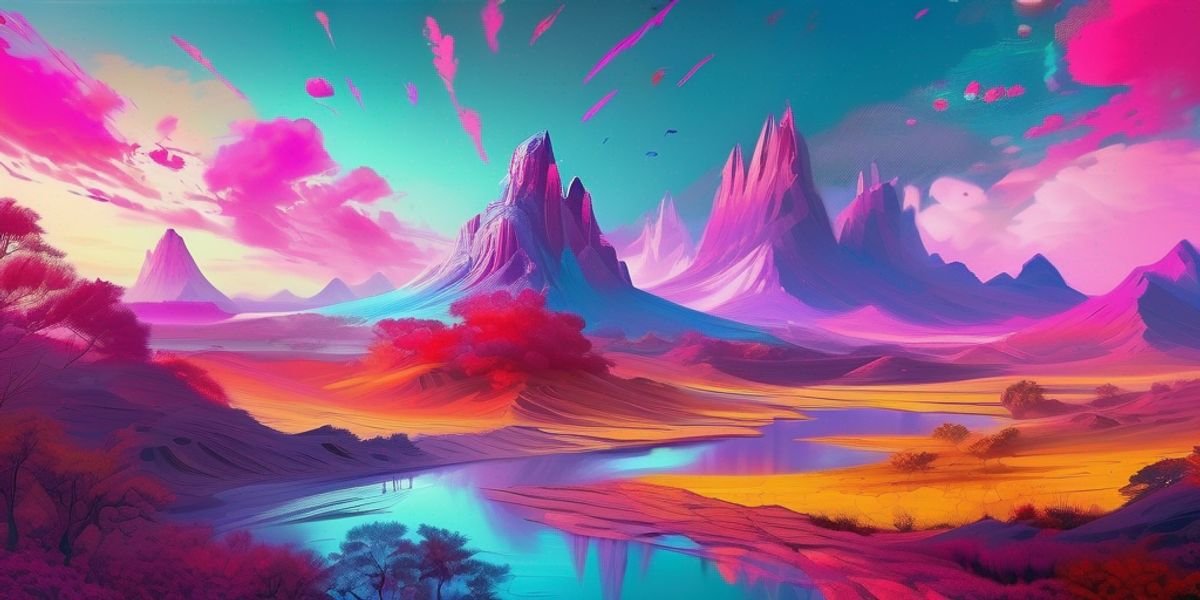
AI image generators have ushered in a new era of digital creativity, transforming textual descriptions into visual masterpieces. These tools harness the power of advanced artificial intelligence, interpreting text prompts to produce images that were once confined to the imagination. The process is not just about converting words into pictures; it’s about understanding the nuances of language and translating them into visual elements.
- AI image generators use deep neural networks.
- They generate art by interpreting text descriptions.
- The technology bridges the gap between abstract ideas and visual art.
The true magic of AI image generators lies in their ability to democratize art creation, making it accessible to anyone with a creative vision.
The implications of this technology are profound, offering both opportunities and challenges for artists, designers, and content creators. As AI continues to evolve, the potential for these generators to redefine the landscape of visual art is immense.
The Role of Textual Descriptions in Crafting Images
The advent of AI image creation has revolutionized the way we conceive and produce visual content. At the heart of this transformation lies the AI Text, a critical component that guides the AI in translating abstract ideas into stunning visuals. The process begins with a textual description, which acts as a blueprint for the AI to follow. This description must be meticulously crafted to ensure that the AI interprets the intent accurately and generates an image that aligns with the creator’s vision.
The effectiveness of AI-generated imagery is heavily dependent on the precision of the textual descriptions provided. Numeric descriptors, in particular, serve as the silent sentinels that guard the gates of imagination, ensuring that every detail is flawlessly executed.
To illustrate the importance of textual descriptions, consider the following points:
- Compatibility: The text prompt must be compatible with the AI’s understanding to produce coherent images.
- Texture and Quality: Descriptions should include considerations for texture and quality to enhance realism.
- Avoidance of Interference: Care must be taken to prevent conflicting or ambiguous descriptions that could confuse the AI.
By adhering to these principles, creators can harness the full potential of AI Text in crafting images that not only captivate the eye but also tell a compelling story.
Bridging the Gap: From Abstract Concepts to Visual Art
The advent of AI in the realm of art has ushered in a new era where abstract concepts can be transformed into tangible visual masterpieces. Artists are now empowered to convert their most intricate ideas into vivid imagery, thanks to the sophisticated algorithms of AI image generators. This process involves a synergy between the artist’s vision and the machine’s computational prowess.
- The artist begins with a conceptual framework or emotion they wish to convey.
- A descriptive prompt is crafted, encapsulating the essence of the concept.
- The AI interprets the prompt and iterates through creative algorithms.
- The resulting image is refined and adjusted until it aligns with the artist’s original intent.
The integration of AI into the artistic process fosters a new genre of art that is dynamic, interactive, and infinitely customizable.
This innovation is not just about the creation of art; it’s a revolutionary way of thinking about and interacting with the creative process. As we continue to explore the depths of AI-generated imagery, we are witnessing the emergence of a new artistic language, one that is boundless and ever-evolving.
Navigating the AI Art Landscape
The Anatomy of an AI Art Prompt
At the heart of every AI-generated masterpiece is the art prompt, a critical element that dictates the direction and outcome of the creative process. Crafting an effective AI art prompt is both an art and a science, requiring a blend of creativity, specificity, and an understanding of the AI’s interpretive capabilities. The prompt acts as a blueprint, informing the AI of the desired content, style, and mood of the image.
- Content: What the image should depict, including subjects, objects, and scenery.
- Style: The artistic style to be emulated, such as impressionism, surrealism, or photorealism.
- Mood: The emotional tone or atmosphere, which can range from somber to whimsical.
- Detail: The level of detail and complexity desired in the image.
By mastering the nuances of AI art prompts, artists can steer the AI towards producing visuals that align closely with their envisioned concepts. This mastery involves not just the selection of the right words but also the strategic use of tokens and parameters that guide the AI’s generative process.
Understanding the structure and components of an AI art prompt is crucial for harnessing the full potential of AI in art creation. It’s a skill that marries the artist’s vision with the technical prowess of AI, resulting in a seamless blend of human creativity and machine efficiency. As we explore the depths of AI-generated imagery, it becomes evident that the prompt is more than just a set of instructions; it is the seed from which visual wonders grow.
Exploring the Depths of AI-Generated Imagery
JSON
AI Art on DeviantArt: A New Creative Cosmos
DeviantArt has emerged as a vibrant hub for AI-generated art, a place where the fusion of technology and human ingenuity is celebrated. The platform showcases a plethora of AI art pieces, each reflecting the unique voice and vision of its creator. These works range from the abstract to the hyper-realistic, illustrating the diverse potential of AI as an artistic tool.
- SkipArtAI
- SANAT56
- MagisterDawn
- intenswich
- Thirdeyeiris
- Asymoney
- mac4tu
- DanielBDesigns
- CaligulaClone
The artists listed above represent just a snapshot of the talent found on DeviantArt. Their contributions highlight the platform’s role as a crucible for innovation, where artists and algorithms collaborate to push the boundaries of visual expression.
The dialogue between artist and AI is a dance of creativity, where each step is guided by both the machine’s capabilities and the artist’s imagination.
This creative partnership has given rise to a new artistic cosmos, one where the lines between creator and creation blur, and where the journey is as significant as the destination. The AI art movement on DeviantArt is not just about the stunning visuals; it’s about the stories they tell and the emotions they evoke, making each piece a unique exploration of the digital frontier.
Collaboration or Competition: AI and Human Creativity
AI as a Collaborative Partner in Art
In the burgeoning field of AI-driven creativity, the role of artificial intelligence transcends that of a mere tool, evolving into a collaborative partner for artists. The synergy between human imagination and AI’s computational prowess is birthing a new paradigm in visual arts, where the boundaries of possibility are constantly being redefined. This partnership is not about replacing the artist but augmenting their capabilities, allowing them to manifest visions that were once constrained by human limitations.
- AI’s role in art is dynamic, interactive, and customizable.
- It fosters a dialogue between creator and machine.
- The collaboration challenges traditional notions of authorship.
The integration of AI into the artistic process is not just about the creation of new art forms; it’s about the evolution of the creative journey itself. It’s about the seamless melding of artist intuition with algorithmic precision to create something truly unprecedented.
As we witness the emergence of AI art on platforms like DeviantArt, we see a new creative cosmos unfolding. Artists are leveraging AI to push the envelope, using code as their brush and data as their palette. The result is a diverse tapestry of art that is as much a product of human emotion as it is of artificial intellect. The implications of this are profound, as they suggest a future where art is co-authored by human and machine, each bringing their unique strengths to the canvas.
The Impact of AI on Traditional Artistic Techniques
The advent of AI in the art world has revolutionized the way traditional artistic techniques are perceived and executed. AI has become a catalyst for innovation, enabling artists to push the boundaries of their creativity. The synergy between human ingenuity and algorithmic precision has given rise to a new era of artistic expression.
- AI algorithms assist in creating complex patterns and textures that would be time-consuming to produce manually.
- Machine learning models can analyze historical art styles, allowing artists to blend traditional techniques with contemporary aesthetics.
- AI-driven tools offer artists the ability to experiment with an infinite palette of colors and materials without physical constraints.
The integration of AI into the artistic process is not a replacement for human creativity but an expansion of the artist’s toolkit. It empowers artists to explore new realms of possibility, transforming the canvas into a dynamic field of experimentation.
The dialogue between artist and AI is reshaping the landscape of art, as each influences and learns from the other. This collaborative journey is producing art that is not only visually stunning but also rich in complexity and meaning. As we continue to explore the depths of AI’s role in art, it becomes clear that the future of artistic expression is one of limitless potential.
Ethical Considerations in the Age of AI Art
The integration of AI into the art world brings forth a myriad of ethical considerations that must be addressed to ensure the technology’s positive impact on society. One major ethical concern is the potential for bias in AI systems, which can lead to misinterpretations or offensive representations in AI-generated art, affecting individuals and communities.
The ethical landscape of AI art is complex, with privacy and data security at the forefront. As AI systems become more advanced, the safeguarding of personal data and the assurance of individual control over its use are paramount.
Ethical challenges extend beyond bias and privacy concerns. The implications of AI on employment within the art sector and the broader societal impact warrant a proactive approach. The following points highlight key ethical considerations:
- Ensuring AI systems are free from built-in biases that could skew artistic expression.
- Protecting the privacy of individuals by securing personal data used by AI.
- Maintaining transparency in AI algorithms to foster trust and accountability.
- Considering the impact of AI on traditional artists and art-related employment.
By proactively addressing these ethical concerns and advocating for responsible AI development and implementation, we can navigate the delicate balance between technological advancement and ethical responsibility in the realm of AI-generated art.
Mastering the AI Artistic Process
Crafting Compelling AI Art Prompts
The art of crafting compelling AI art prompts is akin to programming the imagination of an AI. It’s a delicate balance between specificity and creativity, guiding the AI to produce visuals that resonate with the artist’s intent. To master this skill, one must understand the structure and components of an AI art prompt, the role of tokens, and the nuances of communicating with AI models.
Effective AI art prompts are the cornerstone of AI-driven creativity. They require a blend of creativity, precision, and an understanding of AI model mechanics. Here’s a simple guide to get you started:
- Understand the AI’s language: Familiarize yourself with common terms and examples that AI models can easily interpret.
- Be precise yet imaginative: Clearly convey your vision while leaving room for the AI’s interpretative flair.
- Experiment with parameters: Adjust settings to fine-tune the AI’s output to your liking.
- Use prompt weights and modifiers: These tools can help emphasize certain aspects of your vision.
The journey of AI art creation begins with a single prompt, a seed that blossoms into a myriad of visual possibilities.
As you embark on this journey, remember that AI Chat can be an invaluable tool, offering insights and suggestions to refine your prompts. With practice and exploration, you’ll discover the vast potential of AI-generated imagery, transforming abstract concepts into stunning visual art.
Postworking AI-Generated Art: A Guide to Enhancement
The advent of AI-generated art has necessitated the development of postworking skills to refine and enhance these digital creations. Postworking is the art of transforming an AI-generated image into a polished masterpiece. It’s a critical step in the artistic process, involving a range of techniques from color correction to detail retouching.
- Color Correction and Mood Adjustment: Utilize tools like adjustment layers in Photoshop to modify hues and set the desired atmosphere.
- Retouching and Cleanup: Employ features in software such as Photoshop or GIMP to remove any imperfections or artifacts.
The true artistry in postworking lies not just in the technical skills, but in the artist’s vision to bring depth and emotion to the AI-generated canvas.
While AI provides a starting point, it’s the human touch that imbues the artwork with uniqueness and character. Aspiring artists should invest time in mastering these enhancement techniques to fully realize the potential of their AI-generated art.
Tutorials and Tips for Aspiring AI Artists
As the AI art movement flourishes, aspiring AI artists must navigate the complexities of digital creation. To aid in this journey, here are essential tutorials and tips:
- Understand the Basics: Familiarize yourself with AI art generators and their capabilities. Start with simple prompts to see how the AI interprets your instructions.
- Experiment with Prompts: Learn the art of prompt crafting. The more specific and imaginative your prompts, the more unique your artwork will be.
- Refine Your Vision: Use iterations to refine your art. AI allows for rapid prototyping, so take advantage of this to perfect your vision.
- Explore Post-Processing: AI-generated art often requires post-processing. Master the tools and techniques to polish and enhance your creations.
Embrace the iterative process of AI art creation. Each attempt is a learning opportunity, a step closer to mastering the AI-assisted artistic journey.
For those seeking structured guidance, consider the following resources:
- Online courses that cover AI art from theory to practice.
- Community forums where you can share prompts and get feedback.
- Software-specific tutorials for in-depth knowledge of different AI art generators.
Remember, the field of AI art is ever-evolving. Stay curious, keep learning, and let your creativity flow unbounded by traditional constraints.
The Future of Art in the AI Era
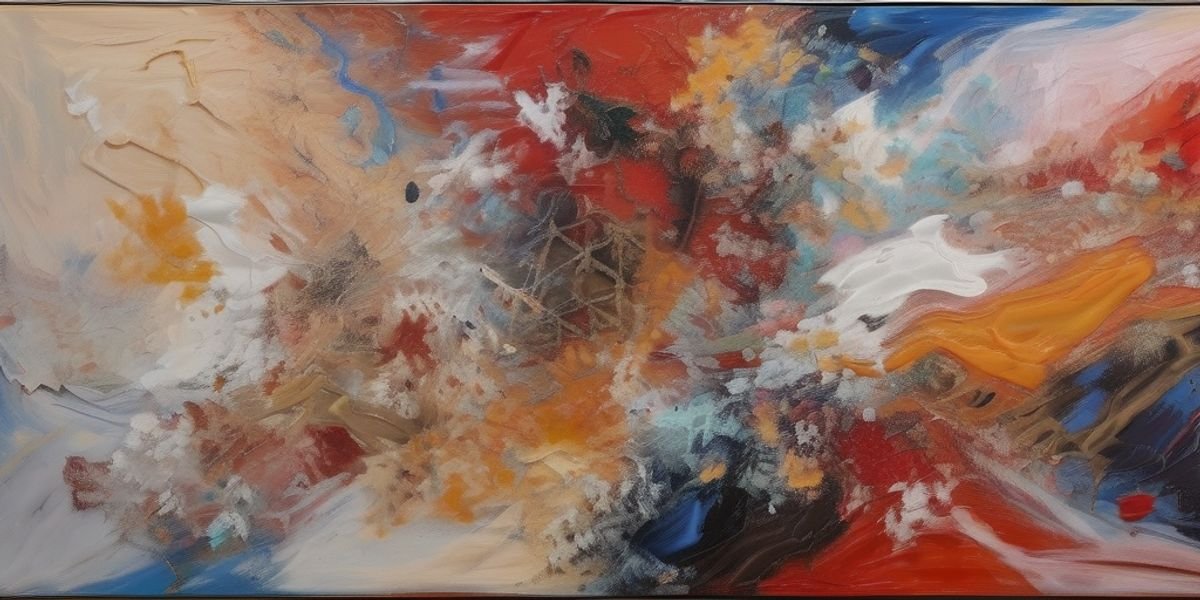
Redefining Artistic Boundaries with Technology
The integration of AI Technology into the realm of art has initiated a transformative era, redefining the boundaries of artistic expression. Artists now wield the power to create with tools that were once the stuff of science fiction, merging traditional techniques with digital innovation.
- AI-driven platforms enable the creation of art that is dynamic and responsive.
- The democratization of art through AI allows for a wider range of creators to participate.
- New genres of interactive and customizable art are emerging, tailored to individual preferences.
The synergy between AI Technology and human creativity is crafting a new paradigm in art, where the only limit is the imagination.
As AI Technology continues to evolve, the art world witnesses the birth of works that are not only visually stunning but also deeply personalized, reflecting the nuances of human emotion and thought. This unprecedented fusion of technology and creativity is not just altering how art is made, but also how it is perceived and experienced by audiences worldwide.
The Evolution of Artistic Expression Through AI
The advent of AI has ushered in a new epoch in the realm of art, where the fusion of technology and human creativity is redefining the very essence of artistic expression. AI has not only become a tool but a collaborator, shaping a novel genre of art that is as boundless as the imagination itself. This year marks a significant milestone in this evolution, with artists leveraging AI to create visuals that transcend traditional boundaries, offering a glimpse into previously unimagined worlds.
The relationship between artists and AI is akin to a dynamic dialogue, where each party learns from and influences the other. This symbiotic interaction is evident in the works that adorn digital galleries, such as those on DeviantArt, showcasing a seamless blend of code-driven creativity and human artistry.
The integration of AI into art challenges and expands our understanding of creativity, authorship, and the act of creation itself.
As we witness the burgeoning of AI in art, it is essential to recognize the transformative impact it has on traditional artistic methods. The table below encapsulates the shift in key aspects of artistic creation brought about by AI:
| Traditional Art | AI-Driven Art |
|---|---|
| Human-centric creation | Collaborative creation |
| Fixed expression | Dynamic and interactive |
| Limited by human skill | Augmented by AI capabilities |
This transformative journey is not just about the end product but the entire creative process, where AI serves as both muse and medium. The implications of this shift are profound, sparking discussions on the nature of art and the role of the artist in the age of AI.
Predicting the Next Frontier in AI-Driven Creativity
As we stand on the cusp of a new era in artistry, AI-driven creativity is poised to redefine the boundaries of imagination and artistic expression. The future of AI in art is not just about the technology itself, but how it will be integrated into the creative process, offering unprecedented tools for artists to push the limits of what is possible.
- AI as a collaborator, not just a tool, for creating art that challenges perceptions.
- The emergence of dynamic, interactive, and customizable art genres.
- The potential for AI to revolutionize marketing, education, and more through data analysis and automation.
The integration of AI into the artistic process fosters a new genre of art that is dynamic, interactive, and infinitely customizable.
Predicting the exact trajectory of AI-driven creativity is as complex as the algorithms that power it. However, one thing is certain: the fusion of human ingenuity with AI’s capabilities will continue to spawn innovative artistic movements, redefine traditional techniques, and unlock new avenues for personal and commercial expression. The next frontier in AI art will likely be marked by a deeper collaboration between artist and algorithm, leading to creations that are not only visually stunning but also rich in conceptual depth.
Conclusion
As we stand on the cusp of a new era in artistic expression, AI image creation tools like ChatGPT and Midjourney have not only revolutionized the way we conceive and produce visual content but have also raised profound questions about creativity, originality, and the role of technology in art. The journey of AI art, from a novel experiment to a full-fledged collaborator, reflects a broader narrative of innovation and the redefinition of boundaries. Artists and technologists alike continue to explore this symbiotic relationship, crafting visual splendor that challenges our perceptions and enriches our cultural landscape. As we embrace this fusion of human ingenuity and algorithmic precision, it is crucial to navigate the ethical and intellectual implications with care, ensuring that the future of art remains vibrant, diverse, and deeply human.
Frequently Asked Questions
What are AI image generators and how do they work?
AI image generators are tools that use advanced artificial intelligence to interpret text descriptions and generate corresponding visual art. They analyze the inputted textual concepts and translate them into tangible images, effectively bridging the gap between abstract ideas and visual representation.
How is AI art changing the role of artists?
AI art is transforming artists into collaborators with technology, allowing them to explore new realms of imagination. Sophisticated algorithms enable the creation of visuals that push the boundaries of traditional art, leading to dynamic, interactive, and customizable pieces that challenge perceptions and evoke emotional responses.
What is the anatomy of an AI art prompt?
An AI art prompt is a carefully constructed combination of words and concepts that guides AI models in creating artwork. It includes the image content, style, and other specific parameters that instruct the AI on what to generate, ensuring the final artwork aligns with the creator’s vision.
How has AI art been received on platforms like DeviantArt?
AI art has been met with enthusiasm on platforms like DeviantArt, where it contributes to a growing universe of digital creativity. Artists on DeviantArt use AI to create pieces that are not only aesthetically pleasing but also rich in meaning and emotion, expanding the community’s appreciation for this new art form.
Can AI-generated art be enhanced post-creation?
Yes, AI-generated art can be postworked or enhanced after creation. Artists can apply traditional digital art techniques to refine and personalize the AI-generated pieces, adjusting elements like color, composition, and texture to achieve the desired aesthetic.
What does the future hold for art in the AI era?
The future of art in the AI era is likely to see a continued redefinition of artistic boundaries through technology. AI will further evolve artistic expression, enabling creators to generate works that are increasingly complex and reflective of human imagination, potentially leading to new genres and forms of art.