
Artificial Intelligence (AI) has revolutionized the way we create and interact with images, leading to the emergence of AI image generation. This transformative technology has opened up new frontiers in the realm of digital art, allowing users to bring their visions to life with unprecedented ease and flexibility. In this article, ‘Transforming Vision: The Emergence of AI Image Generation,’ we explore the rise of this technology, its impact on the art world, and what the future holds for AI-driven creativity.
Key Takeaways
- AI image generation has rapidly evolved, with tools like DALL-E 2 offering user-friendly interfaces and quick generation of unique visuals from simple text prompts.
- Criteria for evaluating AI art generators include ease of use, speed, flexibility of prompts, editing options, and the range of themes and styles available.
- The AI art landscape is diverse, with numerous Midjourney alternatives offering various features and pricing models to cater to different user needs.
- AI is democratizing art creation, expanding artistic horizons, and providing new opportunities for both abstract and photorealistic art generation.
- Future considerations for AI image generation involve analyzing cost-benefit, understanding commercial use rights, and navigating ethical implications.
The Rise of AI Image Generation
Early Innovations and Key Players
The journey of AI image generation began with groundbreaking innovations and the emergence of key players that set the stage for today’s advanced tools. The pioneering efforts in neural networks and machine learning paved the way for the development of AI art generators.
- Early AI image generators were often limited in their capabilities, producing images that were more abstract than realistic.
- Key players like Google’s DeepDream introduced the world to the concept of computer vision with an artistic twist.
- The introduction of GANs (Generative Adversarial Networks) by researchers such as Ian Goodfellow revolutionized the field, enabling more sophisticated image creation.
The best tools not only solve our existing problems—they open up new opportunities!
As the technology matured, companies like OpenAI with DALL-E, and others like Craiyon and Midjourney, began to offer more user-friendly and versatile platforms. These platforms allowed users to generate images from textual descriptions, making AI art creation accessible to a broader audience. The table below highlights some of the best features and limitations of these early innovators:
| AI Tool | Best Features | Limitations |
|---|---|---|
| DALL-E 2 | User-friendly; Free monthly credits for early adopters | Minimum credit purchase for new users |
| Craiyon | Unlimited image generation; Unique ‘Next Prompt’ feature | – |
| Midjourney | Broad range of art styles; Cross-device compatibility | Custom template creation not straightforward |
While these platforms laid the groundwork, the evolution of AI image generation continues, with new tools and features being developed to further enhance the creative process.
The Impact of DALL-E 2 and Its User-Friendly Approach
JSON:
{
“content”: [
{
“paragraph”: “DALL-E 2 has revolutionized the AI image generation landscape with its user-friendly approach, making it accessible to a wide audience. Its intuitive interface allows users to simply type in their vision and receive multiple unique images in seconds. The platform’s commitment to regular updates ensures that users always have access to the latest AI features.”
},
{
“blockquote”: “DALL-E 2’s safeguards against generating inappropriate content not only ensure suitability for all ages but also reflect a responsible use of AI technology.”
},
{
“list”: [
“User ownership over generated images”,
“Integration with Microsoft-backed platforms”,
“Free monthly credits for early users”,
“Safeguards for content suitability”
]
},
{
“table”: “| Feature | G2 Rating | Capterra Rating |\n|———|———–|—————–|\n| DALL-E 2 | 4/5 | 5/5 |”
},
{
“paragraph”: “While DALL-E 2’s approachability has garnered positive ratings, potential users must consider the cost. New users face a minimum credit purchase of $15, which equates to 115 credits, with each credit allowing for one text prompt. This pricing model highlights the importance of evaluating the cost-benefit of AI image generators before diving in.”
}
]
}
Criteria for Evaluating AI Art Generators
When assessing AI art generators, it’s crucial to consider a range of criteria that contribute to the tool’s overall effectiveness and user satisfaction. User-friendly interfaces are paramount, ensuring that individuals of all skill levels can navigate and utilize the tool with ease. Speed is also a significant factor; the ability to quickly generate high-quality images is a testament to the efficiency of the AI.
Flexibility in prompt inputs allows for a broad spectrum of creative expression, catering to both novice and advanced users. Moreover, post-generation editing options such as upscaling, variation, and object replacement are essential for refining the final artwork. Below is a summary of the key criteria:
- User-Friendly Interface: Ease of use for all skill levels
- Fast Image Generation: Quick production of quality visuals
- Flexibility of Prompt Inputs: Acceptance of diverse parameters
- Editing Options: Availability of post-generation modifications
The ideal AI art generator strikes a balance between simplicity and advanced features, enabling a seamless creative process from conception to completion.
Navigating the AI Art Landscape
Comparing Top Midjourney Alternatives
In the dynamic realm of AI image generation, Midjourney has been a notable player, but several alternatives have emerged, offering diverse features and capabilities. Choosing the right AI art generator is crucial for artists, designers, and hobbyists seeking to leverage the power of AI for their creative endeavors.
The following table presents a concise comparison of the top Midjourney alternatives based on user ratings from prominent review platforms:
| AI Art Generator | G2 Rating | Capterra Rating |
|---|---|---|
| DALL-E 2 | 4.7/5 | 4.7/5 |
| Stable Diffusion | 4.6/5 | 4.6/5 |
| Jasper Art | 4.5/5 | 4.4/5 |
| Dream by WOMBO | 4.4/5 | 4.3/5 |
| Prompt Hunt | 4.3/5 | 4.2/5 |
While user ratings provide valuable insights, it’s essential to delve deeper into each tool’s unique features and how they align with your specific needs.
As the AI art landscape continues to evolve, the importance of a user-friendly interface and the ability to produce high-quality, diverse artworks becomes increasingly apparent. The right tool can significantly enhance productivity and creative expression, making the selection process a pivotal step in your artistic journey.
Features That Set Apart High-Performing AI Tools
In the rapidly evolving domain of AI Technology, discerning the features that elevate high-performing AI tools above the rest is crucial for both creators and technologists. User-friendly interfaces are paramount, ensuring that even those without technical backgrounds can harness the power of AI to generate compelling visuals. Speed is another critical factor; the ability to quickly produce quality images is a testament to the efficiency of the AI model.
Flexibility in prompt inputs caters to a diverse user base, from those who prefer straightforward commands to those who delve into more complex parameters. Moreover, robust editing options post-generation, such as upscaling and object replacement, significantly enhance the creative process, allowing for refinement and customization of AI-generated art.
The true measure of an AI art generator lies not only in its technical capabilities but also in its adaptability to the user’s creative vision and its capacity to streamline the art creation process.
When evaluating AI art generators, consider the following features:
- Ease of navigation: A clear and intuitive interface.
- Rapid image generation: Balancing speed with quality.
- Prompt flexibility: Accommodating simple to advanced inputs.
- Advanced editing options: Enabling post-generation customization.
These features collectively contribute to an AI tool’s performance, ensuring that it not only meets the artistic demands of users but also provides a seamless and enjoyable creative experience.
Understanding User Interface and Experience
The user interface (UI) and user experience (UX) are pivotal in the realm of AI image generation tools. Ease of use is paramount, as it determines how quickly individuals can transform their ideas into visual art. A well-designed UI should be intuitive, allowing users to navigate the tool effortlessly, regardless of their technical background.
- User-friendly interface: Ensures accessibility for all skill levels.
- Fast image generation: Balances quality with efficiency.
- Flexibility of prompt inputs: Accommodates diverse creative inputs.
The democratization of art through AI tools is not just about the technology itself, but also about how it’s presented and interacted with by users. A seamless experience can significantly enhance the creative process.
AI Chat and AI Text integration are becoming increasingly important, as they allow for more natural and conversational input methods. This can lead to a more organic creation process, akin to collaborating with a digital artist. The table below highlights some key aspects to consider when evaluating the UI/UX of AI art generators:
| Feature | Importance |
|---|---|
| Intuitive Navigation | High |
| Prompt Flexibility | Medium |
| AI Chat Integration | Medium |
| AI Text Integration | Medium |
While some platforms may prioritize advanced features over user-friendliness, the best AI art tools strike a balance, ensuring that both novices and professionals can achieve their artistic vision with ease.
The Creative Possibilities of AI
Expanding Artistic Horizons with AI
The advent of AI image generation has revolutionized the way we approach art, offering tools that expand the creative horizons for both novices and seasoned artists alike. For those without traditional artistic training, AI provides an accessible entry point to the world of creativity. Meanwhile, professional artists are discovering new dimensions in their craft, experimenting with AI to push the boundaries of their work.
AI art generators have democratized the process of art creation, making it possible for anyone with a vision to bring it to life, regardless of their skill level.
Here are some key features to consider when exploring AI art generators:
- Flexibility of prompt inputs: A tool’s ability to understand and interpret various prompt parameters is crucial.
- Editing options: Features like upscaling, variation, and object replacement can significantly enhance the final artwork.
While Midjourney has been a popular choice, it’s important to recognize that it may not align with everyone’s preferences, especially with its recent shift to a paid model. Users often seek alternatives that offer more direct customer support and cater to a wider range of artistic needs.
How AI is Democratizing Art Creation
The advent of AI image generation tools has revolutionized the art world, making it more accessible than ever before. For individuals without traditional art training, AI provides an entry point to creative expression, while seasoned artists find in these tools a vast new landscape to navigate and enrich their craft.
The emergence of platforms like DREAM by WOMBO and AutoDraw illustrates this shift. These tools not only offer a user-friendly experience but also cater to specific needs such as NFT art creation, ensuring artists retain full ownership of their digital works.
The flexibility and range of AI art generators are key to their democratizing effect. Users can engage with simple prompts or delve into more complex commands to bring their visions to life.
Here are some features to consider when choosing an AI art tool:
- Provides multiple abstract artwork possibilities
- Compatibility with mobile devices
- Encourages community engagement
- Offers text-to-image and image-to-image transformations
While some users may have concerns about the transition to paid models or the level of customer support, the benefits of AI art tools in democratizing art creation are undeniable. They open up a world of possibilities for all, regardless of artistic skill or experience.
Case Studies: From Abstract to Photorealism
The evolution of AI image generation has been marked by a diverse range of applications, from the creation of abstract art to the production of photorealistic images. Case studies in this field demonstrate the versatility and adaptability of AI art tools, showcasing their ability to cater to different artistic visions and preferences.
The user-friendly interface, a wide range of AI models and presets, and free daily credits make platforms like NightCafe widely accessible, setting a benchmark in the industry.
For instance, platforms such as StarryAI offer two distinct modes: Altair for abstract interpretations and Orion for more detailed, story-like images. This bifurcation allows users to steer their creative process according to their desired outcome. Similarly, the availability of models like Stable Diffusion and DALL-E 2 on various platforms has opened up new possibilities for artists and creators.
Here’s a quick comparison of key features across different AI art generators:
| AI Art Generator | User-Friendly Interface | Free Credits | Style Variety | Copyright Claim | Commercial Use |
|---|---|---|---|---|---|
| NightCafe | Yes | Generous | Wide | Yes | Clear Info |
| StarryAI | Yes | – | Massive | – | – |
As we navigate the AI art landscape, it’s important to remember that innovation can come from unexpected places. A shift in perspective towards workflow optimization could unlock new levels of efficiency and creativity. The best tools not only address current needs but also open up new opportunities for artistic expression.
The Economics of AI Art Generation
Analyzing the Cost-Benefit of AI Art Tools
The advent of AI art tools has revolutionized the creative landscape, offering both seasoned artists and novices alike the ability to generate stunning visuals with ease. The key to maximizing the benefits of these tools lies in understanding their features and cost structures.
When considering AI art generators, it’s essential to evaluate the balance between functionality and affordability. Here are some critical factors to consider:
- User-friendly interface: Ensures accessibility for all skill levels.
- Fast image generation: Balances quality with efficiency.
- Flexibility of prompt inputs: Accommodates both simple and advanced user preferences.
- Editing options: Enhances the utility of the AI model with features like upscaling and variation.
- Theme and art styles selection: Elevates the creative process by offering diverse aesthetic choices.
- Commercial use: Clarifies usage rights for generated images, a crucial aspect for professional applications.
- Free and paid options: Provides choices to suit various budgets and needs.
The true value of AI art tools goes beyond their price tag; it encompasses the empowerment they provide to individuals in expressing their creativity and the efficiency they bring to artistic workflows.
While free tools may attract users with budget constraints, paid models often offer advanced features and dedicated support. It’s important to weigh these considerations against your specific needs and goals to determine the most cost-effective solution for your creative endeavors.
Free vs. Paid: What’s Best for Your Needs?
When choosing between free and paid AI art generation tools, it’s essential to consider your specific needs and goals. Free versions often come with limitations, such as ads, fewer credits, or restricted features, which might be sufficient for casual users or those just exploring AI art. Paid subscriptions, on the other hand, offer more robust capabilities, higher output quality, and greater flexibility, making them a better fit for professionals or serious enthusiasts.
Here’s a quick comparison of some popular AI art tools:
| Tool | Free Plan | Paid Plans |
|---|---|---|
| Prompt Hunt | 7-day trial | Essential: $1.99/mo, Pro: $9.99/mo, Pro+: $14.99/mo |
| StarryAI | 5 credits/day | Starter: $11.99/mo, Unlimited Pro: $37.99/mo, Unlimited Pro Max: $79.99/mo |
| Dream by WOMBO | Yes | Premium: $9.99/mo |
| Craiyon | Yes | Supporter: $6/mo, Professional: $24/mo |
While free plans can be a great way to get started, investing in a paid plan can significantly enhance your creative process and output. Consider the frequency of your use, desired features, and whether you aim to monetize your creations when making your decision.
Ultimately, the choice between free and paid AI art tools depends on your personal or professional requirements. If you’re experimenting or need occasional access to AI art generation, a free plan might suffice. However, for consistent, high-quality results and advanced features, a paid subscription could be a worthwhile investment.
Commercial Use and Intellectual Property Considerations
When venturing into the realm of AI-generated art for commercial purposes, understanding the intellectual property considerations is crucial. The right to sell, reprint, and merchandise images varies significantly across different AI art platforms. For instance, DALL-E 2 grants user ownership over the generated images, while Designs.ai prohibits the redistribution of work to other stock asset platforms.
The choice of an AI art generator should be informed by the clarity of its usage rights, especially when the intent is to monetize the creations.
Here’s a quick overview of the commercial use policies of some popular AI art generators:
| AI Art Generator | Commercial Use Policy |
|---|---|
| DALL-E 2 | Full ownership rights |
| Designs.ai | No redistribution |
| NightCafe | Copyright claimable |
| Prompt Hunt | Limited by tier |
Each platform offers a unique set of features and limitations that can influence your decision. For example, NightCafe provides a user-friendly interface and free daily credits, making it accessible for both personal and commercial use. On the other hand, Prompt Hunt’s basic price tier limits users to Stable Diffusion and its proprietary model, which may affect commercial applicability.
In conclusion, whether you opt for free or paid AI art tools, it is imperative to weigh the cost against the potential for commercial exploitation. The balance between accessibility, features, and legal rights will guide you to the most suitable AI art generator for your needs.
The Future of AI-Driven Creativity
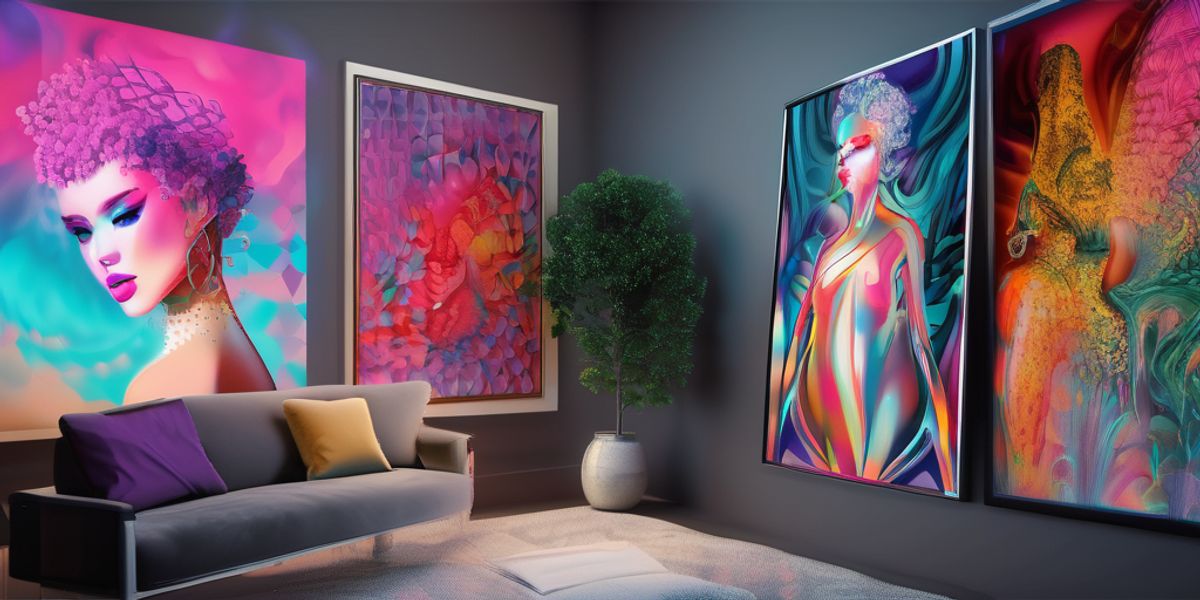
Emerging Trends in AI Image Generation
As AI image generation technology advances, several key trends are shaping the future of this innovative field. The integration of user-friendly interfaces is a significant trend, making these tools accessible to a broader audience. Speed is also a critical factor, with tools now boasting the ability to generate high-quality visuals in mere seconds.
- User-friendly interfaces for broader accessibility
- Rapid image generation for efficiency
- Enhanced flexibility in prompt inputs
- Diverse themes and art styles selection
- Clear guidelines for commercial use
- Availability of both free and paid options
Another trend is the flexibility in prompt inputs, allowing users to steer the creative process with various parameters. The selection of themes and art styles has become more sophisticated, enabling personalized and diverse artistic expressions. Moreover, the clarity of usage rights for commercial purposes is becoming a standard expectation, as is the presence of both free and paid service tiers.
The convergence of these trends is not only transforming the tools themselves but also the way we approach creativity and art generation. The future promises even more intuitive and powerful platforms that can cater to the needs of both novices and professionals alike.
The Role of AI in Future Artistic Endeavors
As we look towards the future, the role of AI in artistic creation is poised to expand beyond current horizons. AI image generation tools are not just for artists but for anyone with a vision to share. These tools are breaking down barriers, enabling individuals without traditional artistic training to express themselves creatively. The democratization of art through AI is a testament to the technology’s potential to foster a new wave of innovation and inclusivity in the art world.
The integration of AI in art is not a replacement for human creativity but an augmentation that offers limitless possibilities.
AI art generators are evolving to become more intuitive and user-friendly, catering to a diverse range of preferences and skill levels. Here’s what to expect from future AI art tools:
- Enhanced flexibility in prompt inputs, accommodating both simple and advanced user commands.
- A broader spectrum of editing options post-generation, such as upscaling and object replacement.
- Increased support for creating art for emerging markets, like NFTs, with full ownership rights.
The trajectory of AI art tools suggests a future where creativity is unbounded by technical skill or access to traditional art resources. As AI continues to evolve, it will undoubtedly shape the landscape of artistic expression, making it more accessible and varied than ever before.
Ethical Implications and the Path Forward
The integration of AI in art generation has sparked a complex debate on ethical implications. The democratization of creativity, while empowering, also raises questions about originality and authorship. As AI tools become more sophisticated, distinguishing between human and machine-generated art becomes increasingly challenging, leading to concerns about the devaluation of traditional artistic skills.
The path forward requires a balanced approach that respects both innovation and the rights of creators. It’s crucial to establish guidelines that ensure fair use and proper attribution in the evolving landscape of AI-generated art.
Here are key considerations for the ethical use of AI in art:
- Transparency: Clear communication about the use of AI in the creation process.
- Attribution: Proper recognition of the contributions made by human artists and AI algorithms.
- Intellectual Property: Understanding and respecting the legal frameworks governing AI-generated content.
- Bias and Diversity: Ensuring AI tools are free from biases and promote diversity in art.
As we look to the future, it’s essential to foster an environment where AI serves as a tool for artists, not a replacement. By prioritizing ethical practices, we can harness the potential of AI to enhance human creativity, rather than diminish it.
Conclusion
As we stand on the brink of a new era in digital artistry, AI image generation tools like Midjourney and its alternatives are transforming the landscape of visual creativity. With user-friendly interfaces, rapid image production, and a plethora of styles and themes at our fingertips, these platforms are democratizing art creation. They empower both novices and professionals to bring their visions to life with unprecedented ease and flexibility. As we’ve explored the best options available in 2024, it’s clear that the fusion of technology and art is not just about the tools we use, but the limitless possibilities they unlock. Whether for personal enjoyment, commercial projects, or exploratory art, AI image generators are reshaping our approach to visual expression, ensuring that the future of creativity is as vibrant and diverse as the human imagination itself.
Frequently Asked Questions
What are the key features to look for in AI art generators?
Key features include a user-friendly interface, fast image generation, flexibility of prompt inputs, editing options, theme and art styles selection, and clear guidelines for commercial use. Both free and paid options should be available to cater to different budgets.
Which AI image generator is known for its fast image generation and customization?
Jasper Art is known for its fast image generation and allows customization based on various styles and preferences. It also provides watermark-free images and can generate images that include celebrities.
What sets StarryAI apart from other AI image generators?
StarryAI is user-friendly and offers a massive selection of styles. It features two distinct modes, Altair for abstract interpretations and Orion for story-like images, allowing users to steer the artwork towards their desired level of detail.
Is there a free AI art generator that can produce high-quality images quickly?
Stable Diffusion is one of the few free AI art generators that can quickly produce high-quality images. It offers photorealistic images, text-to-image and image-to-image transformations without requiring personal information to get started.
What are the benefits of using DALL-E 2 for AI image generation?
DALL-E 2 offers an intuitive AI art generation process where users can simply type in their vision and receive four unique images within seconds. Its ease of use and user-friendly approach have made it a popular choice among users.
How does commercial use factor into choosing an AI art generator?
When choosing an AI art generator for commercial use, it’s important to consider the usage rights of generated images. The tool should provide clear information on whether the images can be used commercially, which is crucial for professional applications.