
The intersection of artificial intelligence (AI) and art is a fascinating frontier that is reshaping our understanding of creativity. AI image processing, in particular, is not just a tool for enhancing visual experiences but a transformative force in the art world. This article, ‘The Art of Vision: Transforming Perception with AI Image Processing,’ delves into the nuances of how AI is being integrated into the creative process, its impact on artistic expression, and the future it is forging for the visual arts.
Key Takeaways
- AI algorithms are revolutionizing art creation by analyzing vast datasets to produce unique, innovative artworks that challenge traditional norms.
- The collaboration between artists and AI blurs the lines between human creativity and technological capability, leading to a new era of artistic innovation.
- AI’s ability to analyze and interpret historical art trends is redefining art history and may influence future artistic heritage.
- Technological advancements in AI image processing are enhancing the way we perceive and interact with art, offering new filters and effects that expand artistic vision.
- Critiques of AI-generated art are sparking a new aesthetic debate, questioning the definitions of artistry and the role of the artist in the age of algorithms.
Decoding the Creative Process: AI in Artistic Innovation
Understanding AI’s Role in Art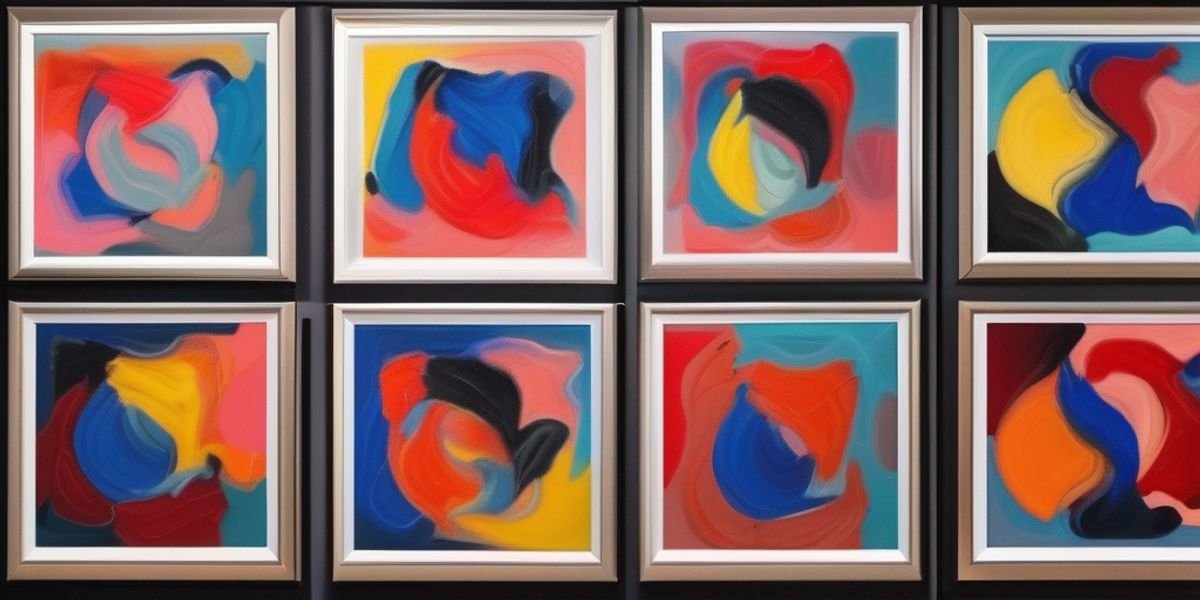
The integration of Artificial Intelligence (AI) into the art world has sparked a transformative movement, challenging traditional notions of creativity and authorship. AI’s ability to analyze and synthesize information has led to the emergence of new art forms, blurring the lines between human and machine-generated art. This shift raises pivotal questions about the future role of human artists and the nature of art itself.
AI’s influence on art is multifaceted, involving complex algorithms that learn from vast datasets to produce works that can both imitate human artistry and generate novel creations. The process typically involves:
- Data Collection: Amassing a diverse range of artistic inputs.
- Algorithm Training: Teaching AI to recognize patterns and styles.
- Creative Output: Generating art that reflects learned aesthetics.
The potential of AI in art extends beyond mere replication of existing styles. It offers a platform for unprecedented experimentation and innovation, pushing the boundaries of what is possible in visual expression.
As AI continues to evolve, it is not only redefining the artistic process but also reshaping the art industry. The impact of AI-generated art is evident in the increasing number of exhibitions and sales featuring AI creations, signaling a shift in the perception and valuation of art. The dialogue between AI and art is just beginning, and its trajectory promises to be as unpredictable as it is exciting.
The Mechanics of AI-Driven Art Creation
At the heart of AI-driven art creation lies a complex interplay of data analysis and machine learning. AI algorithms are designed to emulate human creativity, transforming vast datasets into visual masterpieces. The process begins with data collection and training, where the AI is fed a diverse array of images and artistic styles to learn from.
The subsequent steps involve:
- Pattern recognition and analysis
- Application of learned artistic styles
- Iterative refinement to achieve the desired aesthetic
This iterative process ensures that each piece of AI-generated art is both unique and resonant with human artistic sensibilities. Despite concerns about the authenticity of AI art, these algorithms are creating a new frontier in artistic expression.
While AI can produce visually stunning artwork, it is the human artist who imbues the creation with emotional depth and cultural significance. The role of AI in art is not to replace human artists but to serve as a tool that can enhance and expand their creative possibilities.
Case Studies: AI’s Masterpieces in the Art World
The emergence of AI-generated art has sparked a revolution in the art world, challenging the traditional boundaries of creativity. AI’s ability to synthesize vast datasets into compelling visual narratives has given rise to a new genre of masterpieces.
One of the most groundbreaking moments in this domain was the sale of the AI-generated ‘Portrait of Edmond de Belamy,’ which fetched over $400,000 at auction, shattering its pre-sale estimate of $7,000-$10,000. This event not only highlighted the commercial viability of AI art but also ignited a global conversation on the value and authenticity of machine-generated creativity.
The fusion of AI algorithms with artistic processes is not just a novelty; it’s a testament to the evolving nature of art itself.
The following list showcases several notable AI artworks that have made a significant impact:
- ‘Portrait of Edmond de Belamy’ – The piece that sparked debate over AI’s place in art history.
- ‘The Next Rembrandt’ – A project that used data from Rembrandt’s paintings to create a new, original piece.
- ‘AI Generated Nude Portrait #1’ – An artwork that explores the intersection of human form and algorithmic interpretation.
As AI continues to advance, we can anticipate a surge in such transformative works, each blurring the lines between human and machine creativity, and redefining the essence of artistic expression.
The Synergy of Art and Technology: AI’s Impact on Artistic Expression
Blurring the Lines Between Artist and Algorithm
The advent of AI in the realm of art has initiated a profound dialogue on the nature of creativity and authorship. Artificial Intelligence is not just a tool but a collaborator, bringing a new dimension to the artistic process. This collaboration is redefining what it means to be an artist, as the traditional boundaries between human creativity and technological assistance become increasingly indistinct.
The synergy between artist and algorithm is crafting a new genre of art that is both fascinating and, at times, controversial. It raises fundamental questions about the essence of art and the role of the artist in the age of digital creation.
Critics voice concerns over potential homogenization and the dilution of individual artistic voices. Yet, proponents argue that AI algorithms, by processing vast datasets and learning through machine learning techniques, are enabling unprecedented forms of expression:
- AI algorithms analyze and learn from historical art data.
- They generate novel combinations, pushing the boundaries of art.
- Artists can explore new creative territories with AI as a partner.
Ownership and authorship debates add another layer of complexity to this evolving landscape. The question of who holds the rights to AI-generated art—be it the programmer, the user, or the algorithm itself—remains a contentious issue. As AI continues to permeate the art world, these discussions will only become more intricate and vital to the future of artistic expression.
AI as a Tool for Artistic Evolution
The integration of AI into the artistic process marks a pivotal shift in the evolution of art. AI serves not just as a creator but as a collaborator, enhancing the artist’s ability to experiment and evolve. By analyzing an artist’s previous works, AI can uncover patterns and suggest new directions, effectively acting as a digital muse.
- AI’s data analysis capabilities allow for a deeper understanding of an artist’s style and potential growth areas.
- Machine learning algorithms enable AI to learn from vast datasets and improve its creative suggestions over time.
- Artists can leverage AI to break through creative blocks and explore uncharted artistic territories.
The symbiosis between artist and AI is redefining the boundaries of creativity, where technology amplifies human potential rather than replacing it.
As AI continues to advance, it will undoubtedly play a more significant role in shaping the future of art. The table below highlights the transformative impact of AI on artistic creation:
| Aspect of Artistic Creation | Impact of AI |
|---|---|
| Idea Generation | Enhanced |
| Style Development | Refined |
| Creative Exploration | Expanded |
| Overcoming Creative Blocks | Facilitated |
The future of art is one where AI-driven insights and human creativity coalesce to forge new artistic expressions, pushing the envelope of what is possible in the realm of art.
Critiquing AI Art: The New Aesthetic Debate
The emergence of AI in the art world has sparked a new aesthetic debate, centering on the emotional depth and authenticity of AI-generated art. Critics question whether an algorithm can truly encapsulate the human experience and emotional resonance that is often attributed to traditional art.
Ownership and authorship issues further complicate the landscape. The dilemma of who holds the rights to AI art—be it the programmer, the user, or the AI itself—remains unresolved, leading to a contentious debate within the art community.
The reliance on AI in art creation risks a potential homogenization of styles, as artists may gravitate towards similar algorithms, inadvertently stifling diversity and innovation.
Despite these concerns, the potential for AI to serve as a tool for artistic enhancement cannot be overlooked. The skill gap between human artists and AI programmers suggests a need for a balanced approach to technology in art, ensuring that the human touch remains paramount.
The role of human artists in an era of AI-generated art is evolving, with many advocating for a collaborative relationship where AI augments rather than replaces the artist’s creative process.
AI Image Processing: A New Lens on Visual Perception
Revolutionizing Image Analysis with AI
The advent of AI Technology has marked a new epoch in the realm of image analysis. AI Image processing tools are now capable of dissecting visual data with unprecedented precision, offering insights that were once beyond human capability. This transformative power of AI is not just reshaping how we perceive images but is also redefining the potential of visual arts.
AI algorithms are adept at identifying intricate patterns and nuances within an image, facilitating a deeper understanding of visual content. This capability is particularly beneficial for artists and creators who seek to push the boundaries of conventional art forms. By leveraging AI Image analysis, artists can explore new dimensions of creativity and expression.
The synergy between human creativity and AI’s analytical prowess is crafting a new narrative in the art world, one where the augmentation of human vision with AI opens doors to uncharted artistic territories.
Here’s a glimpse into the process of AI-driven image analysis:
- Data Collection: AI systems ingest vast amounts of visual data.
- Pattern Recognition: Machine learning algorithms identify and learn from patterns.
- Enhanced Interpretation: AI provides insights that inform artistic decisions.
- Creative Output: Artists integrate AI insights into their work, creating novel art.
As we continue to integrate AI Technology into the fabric of artistic creation, we stand on the cusp of a new visual revolution. The future promises a landscape where AI Image processing not only augments human vision but also becomes an intrinsic part of the creative process itself.
Enhancing Artistic Vision Through AI Filters and Effects
The integration of AI in the realm of visual arts has ushered in an era where AI filters and effects are not just tools for enhancement but are pivotal in redefining artistic vision. Artists now have at their disposal a myriad of AI-driven options that can transform the mundane into the extraordinary, often with just a few clicks.
AI Chat and AI Text technologies have further expanded the possibilities, allowing for a seamless interaction between the creator and the digital medium. These technologies enable artists to articulate their vision through natural language, which the AI then interprets to apply desired effects or create new elements within the artwork.
The synergy between human creativity and AI’s computational power is crafting a new paradigm in art, where the boundaries of what can be achieved are constantly being expanded.
Here’s a glimpse into how AI is enhancing artistic vision:
- Data Analysis: AI algorithms analyze existing art to suggest new directions.
- Style Transfer: Artists can apply the style of famous artworks to their own creations.
- Generative Art: AI creates art from scratch, learning from vast datasets.
- Accessibility: AI makes art more accessible to individuals with disabilities.
The future of visual arts is being shaped by these innovations, promising a landscape where AI is as much a creator as it is a facilitator.
The Future of Visual Arts in the Age of AI
As we stand on the brink of a new era in visual arts, AI’s role in shaping this future cannot be overstated. The fusion of artificial intelligence with artistic creativity is paving the way for a digital renaissance, where the boundaries of what can be imagined and created are constantly being expanded. AI’s ability to analyze and generate art is not just a tool; it’s a transformative force that is redefining the essence of artistic expression.
The potential of AI in art extends beyond mere creation; it’s about augmenting human imagination and opening up new avenues for artists to explore.
While AI-generated art continues to captivate audiences, it’s important to recognize the symbiotic relationship between human artists and AI. The technology serves as a catalyst, but it is the artist’s vision that guides the process. Here are some key considerations for the future of visual arts in the AI age:
- The integration of AI in art education and practice.
- Ethical considerations in AI-generated art.
- The evolving role of the artist in a landscape dominated by AI.
- Preservation of the ‘human touch’ in art amidst technological advancements.
As we look ahead, the conversation around AI and art will undoubtedly intensify. The challenge lies in harnessing AI’s capabilities while maintaining the unique qualities that make art human. The future of visual arts is not just about the art that is created, but also about the dialogue it inspires and the impact it has on society.
The Digital Renaissance: AI’s Role in Redefining Art History
AI’s Analysis of Historical Art Trends
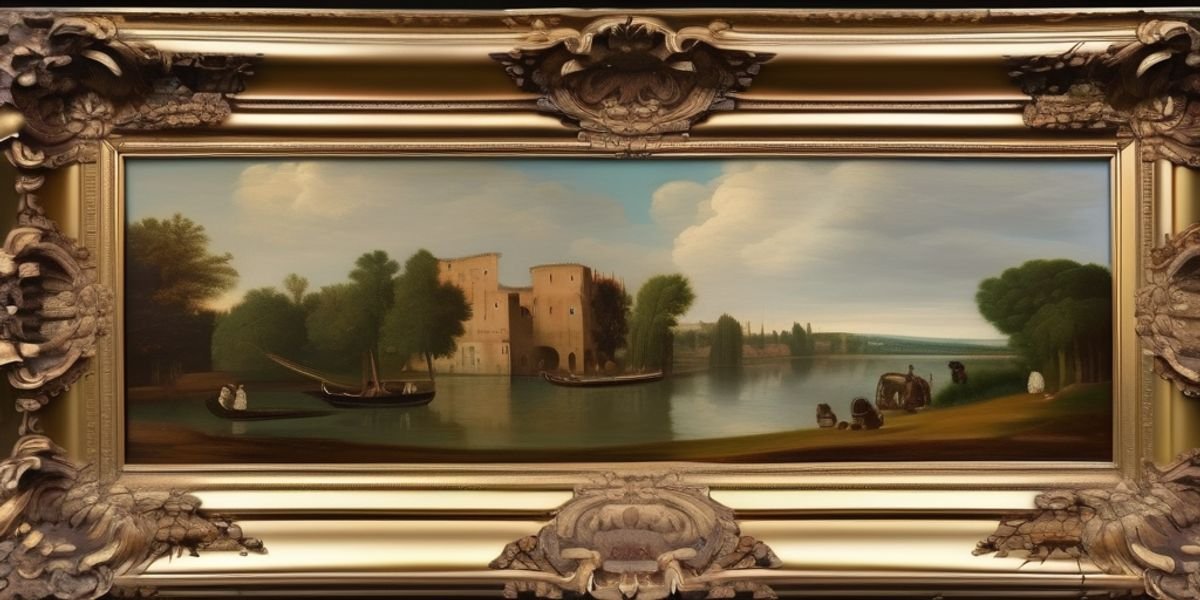
The intersection of artificial intelligence and art history is yielding unprecedented insights into the evolution of artistic trends. AI’s deep analysis of historical art is not only uncovering patterns in style and technique but also providing a new understanding of an artist’s progression over time. By dissecting vast collections of artwork, AI algorithms reveal subtle nuances that might escape even the most trained human eye.
- AI identifies stylistic shifts and influences across different eras.
- Algorithms detect recurring motifs and themes within an artist’s oeuvre.
- Machine learning offers predictions on future art trends based on historical data.
The capability of AI to dissect and understand historical art trends is revolutionizing how we perceive art history and its ongoing narrative. This digital dissection allows for a more nuanced appreciation of the factors that drive artistic evolution.
As AI continues to evolve, its role in art history becomes more integral. It not only assists in cataloging and preserving our artistic heritage but also becomes a tool for predicting and shaping the future of art. The implications of this technology are profound, as it bridges the gap between past and future, offering a continuous thread of artistic consciousness.
How AI Algorithms Are Crafting Tomorrow’s Artistic Heritage
As we stand on the brink of a new era in art, AI algorithms are becoming the avant-garde tools shaping the future of artistic expression. These sophisticated systems analyze and learn from vast datasets, creating art that pushes the boundaries of human imagination. The process is transformative, with AI not only generating novel artworks but also offering insights that enable artists to refine their craft.
- Data Collection: AI gathers extensive data on art styles, techniques, and historical trends.
- Machine Learning: Algorithms learn and evolve, recognizing patterns and generating new art.
- Creative Output: AI synthesizes learned data to produce unique and innovative artworks.
The symbiosis of AI and art is not just about creating new forms of expression; it’s about redefining the very essence of creativity and heritage in the art world.
AI’s role in art is not confined to creation alone; it extends to the analysis of existing masterpieces, providing a new perspective on art history. By dissecting the nuances of style and technique, AI algorithms offer a fresh lens through which we can appreciate the old masters and anticipate the emergence of future trends. The digital renaissance is upon us, and AI is its herald, crafting a legacy that will resonate through the annals of art history.
The Intersection of AI and Traditional Artistic Techniques
The fusion of AI with traditional artistic techniques is not just a novelty; it’s a burgeoning frontier in the art world. AI algorithms are not only creating art; they are becoming an integral part of the artist’s toolkit, enhancing and extending the capabilities of human artists. By integrating AI into their workflow, artists can explore new realms of creativity, pushing the boundaries of what is possible.
- AI’s data analysis can uncover hidden patterns in historical art, offering fresh perspectives.
- Machine learning enables the emulation and extension of traditional techniques.
- Collaborative AI tools can assist in the conceptualization and execution of artworks.
The synergy between AI and traditional art is not a replacement of human creativity but an expansion of it. Artists are finding that AI can act as a collaborator, providing new ways to visualize and execute their visions.
As we look to the future, the interplay between AI and traditional art forms promises to evolve further. Artists who embrace this technology will likely find themselves at the forefront of a new artistic movement, one that honors the past while boldly stepping into the future.
Conclusion
As we stand at the intersection of art and technology, it is clear that AI image processing has not only transformed our perception of what is possible but has also redefined the boundaries of artistic expression. The fusion of AI-generated art with human creativity promises a future where the creation of masterpieces is limited only by imagination. While skepticism may persist, the examples of AI’s successful forays into the art world underscore its potential to enhance and expand the artistic landscape. As algorithms continue to evolve, they will undoubtedly unveil new horizons of creativity, inviting both artists and audiences to witness the unfolding of a digital renaissance. The art of vision, as seen through the lens of AI, is a testament to the boundless possibilities that await us in the realm of art, forever altering the canvas of human expression.
Frequently Asked Questions
How do AI algorithms contribute to the creation of art?
AI algorithms analyze vast amounts of data, learn from it using machine learning techniques, and then apply this knowledge to generate new and unique artwork. They can mimic human creativity, produce artwork that pushes boundaries, and offer artists a new toolkit for innovation.
Can AI create artwork that is truly original?
Yes, AI can generate unique and original pieces by being trained on vast datasets. These algorithms can produce art that may not have been conceivable by human artists alone, thus expanding the realm of creative possibilities.
What impact has AI had on the art world?
AI has had a transformative impact on the art world by enabling the creation of innovative artwork, providing insights through analysis of existing art, and redefining the boundaries of artistic expression. AI-generated art has sparked new aesthetic debates and is shaping the future of visual arts.
What is the role of AI in analyzing historical art trends?
AI can analyze patterns and styles within historical art trends, offering valuable insights into the evolution of art. This analysis can help artists and historians understand past movements and potentially predict future trends in art.
How do AI filters and effects enhance artistic vision?
AI filters and effects can enhance artistic vision by allowing artists to manipulate images in novel ways, creating visual experiences that were previously impossible. Technologies like Google’s DeepDream and Adobe’s Sensei AI offer tools to transform and elevate artistic expression.
What does the future hold for AI in the visual arts?
The future of AI in the visual arts promises further integration of technology and creativity, leading to more sophisticated and complex artwork. As AI technology evolves, it will continue to challenge traditional art forms and inspire new methods of artistic expression.