
AI Image Technologies: Revolutionizing Design. In the era of rapid technological advancement, the field of AI image technologies stands at the forefront of innovation. The ‘Vision of Zukunft’ article delves into the profound impact of AI on branding strategies, web design, ethical considerations, content creation, and the empowerment of designers. It explores how AI not only reshapes the aesthetics of digital experiences but also strengthens the bond between brands and consumers through data-driven insights and personalized content.
Key Takeaways
- AI technologies are pivotal in developing brand personas and visual identities that resonate with consumers, leveraging insights from data and market trends.
- The integration of AI in web design is revolutionizing user experience through automation, optimization, and personalization.
- Ethical considerations are crucial in AI-enabled design to ensure human oversight, privacy, trust, and responsible content creation.
- AI-driven content creation and curation, powered by NLP, allows for scalable, high-quality, and tailored brand messaging across multiple channels.
- AI tools are transforming the design process, enhancing efficiency, creativity, and enabling designers to focus on strategic aspects like user experience and storytelling.
The Intersection of AI and Branding Strategies. AI Image Technologies.

Tailoring Brand Personas with AI Insights
The advent of AI in branding has ushered in a new era of data-driven persona development. By leveraging consumer data, AI tools are able to dissect complex market trends and consumer behaviors, providing brands with nuanced insights. These insights are pivotal in crafting brand personas that not only resonate with target audiences but also foster a deeper, more authentic connection.
- AI analyzes consumer preferences and behaviors
- Brands gain insights for persona development
- Messaging strategies are refined
- Visual identity elements are aligned with audience expectations
The synergy between AI and branding strategies is transforming how brands communicate with their audiences, ensuring that every interaction is personalized and impactful.
While AI’s role in branding is transformative, it is crucial to maintain a balance. The human element in branding cannot be entirely replaced by algorithms. Brands must ensure that AI complements human creativity and insight, rather than replacing it, to maintain the authenticity that consumers value.
Enhancing Visual Identity through AI
The advent of AI Image technologies has revolutionized the way brands approach their visual identity. By leveraging AI’s capacity to analyze and interpret vast datasets, companies can now create more impactful and personalized visual branding elements that resonate with their target audience. AI’s predictive capabilities enable brands to anticipate consumer trends and preferences, ensuring that their visual identity remains relevant and engaging.
- AI Image analysis for trend prediction
- Personalized visual branding
- Real-time adaptation to consumer behavior
The synergy between AI and visual branding not only enhances the aesthetic appeal but also ensures that the brand’s image evolves with its audience, maintaining a dynamic and contemporary presence.
Furthermore, AI Image tools assist in maintaining brand consistency across various platforms, a crucial aspect of any successful branding strategy. By automating design elements, AI ensures that every touchpoint with consumers reflects the brand’s core values and visual language, fostering a cohesive brand experience.
Fostering Consumer Connections with AI-Driven Branding
The advent of AI in branding has opened up new avenues for creating deeper, more meaningful connections with consumers. By leveraging AI’s analytical prowess to understand consumer behaviors and preferences, brands can craft personalized experiences that resonate on an individual level. This not only enhances brand loyalty but also transforms the consumer’s journey into a more engaging and satisfying experience.
- AI-driven insights lead to more effective brand personas.
- Personalized marketing strategies increase consumer engagement.
- Enhanced visual identity strengthens brand recognition.
The key to successful AI-driven branding lies in the delicate balance between technology and the human touch. While AI provides valuable insights and automates processes, it is the human element that infuses authenticity and emotion into the brand narrative.
Despite the benefits, it is crucial to maintain a human element in branding strategies. AI should be viewed as a tool to augment, not replace, the human-driven creative process. Brands that manage to integrate AI thoughtfully, ensuring that every automated interaction is tempered with a human touch, will lead the way in fostering genuine consumer connections.
Revolutionizing Web Design with AI Integration
Automating Design Layouts and Aesthetics
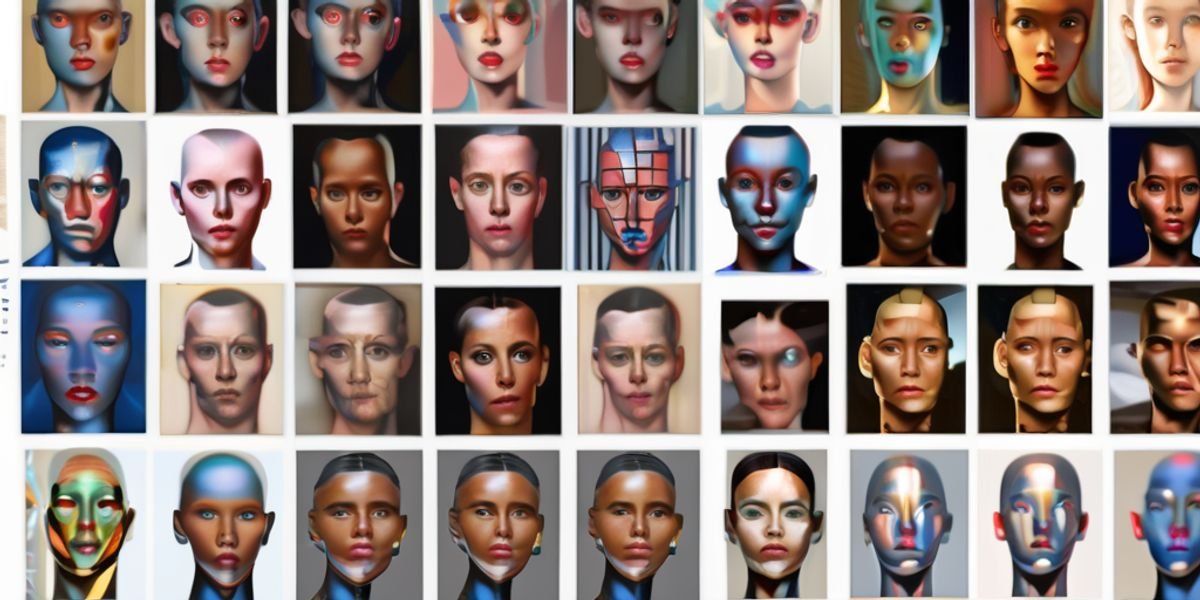
The advent of AI-powered design tools has revolutionized the creative landscape, enabling a synergy between human creativity and machine efficiency. These tools, utilizing advanced algorithms, can automate the generation of design layouts, color palettes, and typography, transforming the way designers approach their craft.
- AI algorithms analyze and apply design trends and user preferences.
- Designers are freed from repetitive tasks, focusing on strategic design elements.
- AI tools offer tailored recommendations, enhancing the design process.
The integration of AI in design not only accelerates the creation process but also opens up new possibilities for personalized and dynamic web aesthetics.
While AI provides a robust framework for design, the human touch remains indispensable. Designers must navigate the balance between AI-generated suggestions and their unique creative vision, ensuring that the final product resonates with the intended audience and maintains brand integrity. The collaboration between human intuition and AI’s data-driven approach paves the way for innovative and engaging designs that stand out in the digital landscape.
Optimizing User Experience with AI
The integration of AI in web design has ushered in a new era of user experience optimization. AI algorithms now play a pivotal role in creating intuitive and personalized user interfaces, ensuring that each visitor’s interaction is as engaging and seamless as possible. By analyzing user data, AI can predict and adapt to user preferences, delivering a tailored experience that increases satisfaction and loyalty.
AI’s ability to process and learn from user feedback in real-time leads to continuous improvement of the user experience. This dynamic evolution keeps websites fresh and relevant, directly contributing to higher engagement rates.
AI not only enhances the visual appeal of a website but also optimizes its functionality. Here’s how AI contributes to a superior user experience:
- Personalization: AI tracks user behavior to provide personalized content and recommendations.
- Navigation: Intelligent algorithms improve site navigation, making it more intuitive.
- Accessibility: AI ensures websites are accessible to all users, including those with disabilities.
- Performance: AI-driven tools monitor and enhance website speed and responsiveness.
In summary, AI is transforming web design by making it more user-centric. Designers are now equipped with tools that automate and refine the design process, allowing them to focus on creating unique and memorable user experiences.
Personalization and AI: The Future of Web Presence
The future of web presence is inextricably linked to the personalization capabilities of AI. AI-driven personalization is not just about delivering tailored content; it’s about creating a unique and seamless user experience that resonates on an individual level. With AI, websites can dynamically adapt to user preferences, behaviors, and even emotions, offering an unprecedented level of engagement.
The key to effective web personalization lies in the delicate balance between automation and human touch. While AI can handle the heavy lifting of data analysis and pattern recognition, the human element is essential for genuine connection.
AI personalization extends beyond mere aesthetics or layout; it encompasses content curation, product recommendations, and interactive features that are aligned with the user’s interests. Here are some benefits of AI-driven personalization:
- Enhanced user engagement and satisfaction
- Increased conversion rates and customer loyalty
- Improved content relevance and value
In the realm of web design, AI not only streamlines the creative process but also opens up new possibilities for brand differentiation. As AI technologies continue to evolve, the potential for hyper-personalized web experiences will become the new standard, setting the stage for a more intuitive and user-centric digital landscape.
Ethical Considerations in AI-Enabled Design

Balancing AI Advancements with Human Oversight
The integration of AI in design and branding strategies has been transformative, yet it is not without its challenges. Human oversight remains crucial to ensure that AI tools are used responsibly and effectively. AI algorithms, while powerful, can inherit biases from their training data, leading to skewed outcomes that may not align with a brand’s values or customer expectations. Regular audits of these algorithms and diversification of training datasets are essential steps in maintaining fairness and accuracy.
Brands must maintain a delicate balance between the efficiency of automated processes and the authenticity of human interactions. The human element in branding cannot be entirely replaced by AI; it is the cornerstone of creativity and emotional resonance.
To address these concerns, a multi-tiered approach is necessary:
- Regular algorithm audits to identify and mitigate biases
- Diversification of training datasets to reflect a broader spectrum of perspectives
- Inclusion of human proofreaders to review AI-generated content
Ultimately, the goal is to harmonize AI’s capabilities with human creativity and insight, ensuring that the technology serves to enhance, not replace, the human touch in branding and design.
Addressing Privacy and Trust in AI-Driven Branding
In the era of AI-driven branding, privacy and trust are paramount. Brands must ensure robust data protection measures and transparent data usage policies to maintain consumer confidence. The extensive collection and analysis of user data for AI models necessitates a commitment to safeguarding personal information against breaches.
The integration of AI in branding is a delicate balance between innovation and consumer rights. Brands that navigate this successfully can foster loyalty and trust.
While AI offers unparalleled insights into consumer behavior, it also poses risks of data misuse. To address these concerns, brands should consider the following steps:
- Implementing end-to-end encryption for data storage and transfer
- Conducting regular audits to identify and rectify potential security vulnerabilities
- Establishing clear guidelines for data usage that are easily accessible to consumers
- Providing options for consumers to control their data and opt out of data collection
Furthermore, brands must be vigilant against AI biases that can lead to skewed outcomes. Regularly updating algorithms and maintaining human oversight are critical to prevent discriminatory practices and ensure responsible branding.
The Role of AI in Responsible Content Creation
In the digital age, AI’s role in content creation is pivotal, yet it demands a responsible approach. AI algorithms, through natural language processing (NLP), have the power to generate content that resonates with audiences, but this power must be wielded with ethical considerations in mind.
The essence of responsible AI-driven content creation lies in the balance between efficiency and human values.
AI-generated content must align with brand values and maintain authenticity. To ensure this, brands can follow a structured approach:
- Establish clear ethical guidelines for AI use.
- Monitor AI-generated content for accuracy and brand alignment.
- Involve human oversight in the content review process.
While AI offers scalability in content production, it is crucial to remember that it is not a one-size-fits-all solution. Human creativity and empathy remain irreplaceable in crafting narratives that truly connect with consumers. As we embrace AI’s capabilities, we must also commit to maintaining the trust and privacy of our audience, ensuring that AI serves to enhance, not replace, the human touch in content creation.
AI-Driven Content Creation and Curation

Scaling High-Quality Content with NLP
The advent of AI in content creation has been nothing short of transformative, particularly with the integration of Natural Language Processing (NLP). NLP algorithms have revolutionized the way brands produce and curate content, enabling the generation of high-quality material that resonates with target audiences. By analyzing vast datasets, these algorithms can tailor content to specific consumer segments, ensuring relevance and engagement.
- AI-generated content is not only coherent but also contextually relevant, making it ideal for a variety of applications including blog posts, email newsletters, and product descriptions.
- Personalized outreach emails can now be generated in seconds, catering to clients with diverse backgrounds and needs.
- The efficiency of AI in content creation allows brands to meet their content needs in a scalable and cost-effective manner.
While AI enhances efficiency and streamlines processes, it is crucial to maintain a balance with the human element in brand interactions. The authenticity and emotional resonance of a brand are paramount, and automated interactions should not come at the cost of personalized human touchpoints.
The table below illustrates the impact of NLP on content creation efficiency:
| Metric | Before NLP Integration | After NLP Integration |
|---|---|---|
| Content Volume | Low | High |
| Personalization Level | Generic | Tailored |
| Production Time | Long | Short |
| Audience Engagement | Moderate | High |
As we continue to harness the power of AI for content creation, it is essential to address the ethical considerations, such as privacy and trust, to ensure that consumer data is protected and used transparently.
Customizing Brand Messaging with AI
The advent of AI in branding has ushered in a new era of customized brand messaging, enabling a level of personalization previously unattainable. AI’s capacity to analyze and interpret consumer data translates into messaging that resonates deeply with individual preferences and behaviors.
- AI-driven analytics pinpoint customer segments and preferences.
- Tailored content creation ensures relevance and engagement.
- Real-time adjustments to messaging optimize brand communication.
By leveraging AI, brands can dynamically adapt their messaging strategies to reflect the evolving landscape of consumer interactions and market trends.
The implications of AI in crafting brand narratives are profound. It allows for the seamless integration of brand values and consumer expectations, creating a cohesive brand experience that is both authentic and impactful. As AI continues to evolve, the potential for even more nuanced and sophisticated brand messaging strategies grows, promising a future where brand and consumer are in closer dialogue than ever before.
Engaging Audiences Across Channels with AI Content
In the dynamic realm of digital marketing, AI Chat technologies are pivotal in engaging audiences across diverse channels. AI algorithms have revolutionized content creation, enabling brands to produce high-quality, tailored content at an unprecedented scale. Natural language processing (NLP) algorithms, in particular, have become adept at analyzing data to generate articles, social media posts, and other forms of content that resonate with target audiences.
By leveraging AI Chat platforms like OpenAI’s ChatGPT or Meta’s AI Assistant, brands can swiftly create personalized outreach emails, blog posts, and product descriptions that are coherent and contextually relevant.
These AI-driven tools are not just about efficiency; they also ensure that the content is customized to the nuances of language and sentiment, thereby enhancing the brand’s ability to connect with consumers on a personal level. The table below illustrates the impact of AI Chat on content engagement metrics:
| Metric | Without AI | With AI Chat |
|---|---|---|
| Time to Create Content | 10 hours | 2 hours |
| Engagement Rate | 5% | 15% |
| Content Personalization Level | Low | High |
The integration of AI in branding strategies is not just a trend but a transformative shift in how brands cultivate loyalty and engagement. While AI opens new avenues for creativity and differentiation, it is essential to balance its use with human oversight to maintain trust and authenticity in brand messaging.
AI Tools: Empowering Designers and Streamlining Processes
Leveraging AI for Efficient Design Workflows
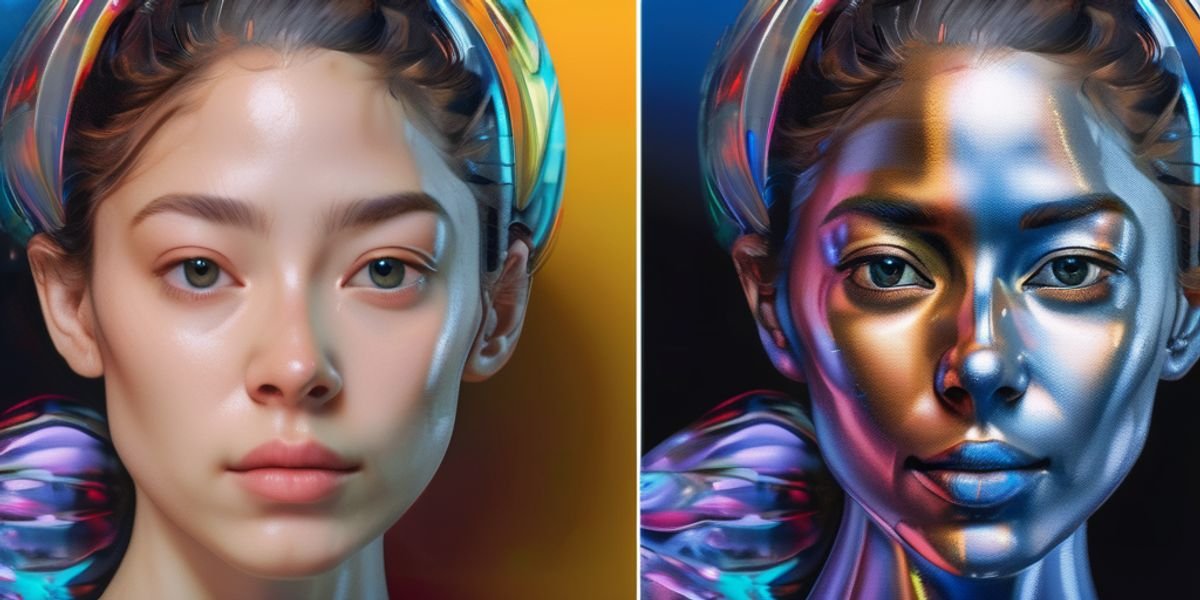
The advent of AI-powered design tools has revolutionized the creative landscape, offering unprecedented efficiency in design workflows. These tools, utilizing advanced algorithms, automate mundane tasks and suggest design elements, freeing designers to concentrate on innovation and user engagement.
- Automated Layout Generation: AI algorithms can quickly produce a variety of design layouts, allowing designers to choose the best fit for their project.
- Color Scheme Optimization: Machine learning helps in selecting color palettes that enhance the visual appeal and adhere to brand guidelines.
- Typography Matching: AI suggests typography that complements the design, ensuring readability and aesthetic harmony.
By embracing AI, designers can significantly reduce the time spent on iterative tasks, shifting their focus to crafting more meaningful and personalized user experiences.
While AI streamlines many aspects of design, it is not a panacea. A balance between AI capabilities and human creativity remains essential to achieve the best outcomes. Designers must remain vigilant, ensuring that AI serves as an aid, not a replacement, for the human touch in design.
AI in Brand Storytelling and User Experience
The integration of AI Technology into brand storytelling and user experience marks a significant leap forward in how brands connect with their audiences. AI not only refines the user experience by personalizing interactions but also plays a pivotal role in crafting compelling brand narratives.
- AI-driven analytics provide deep insights into consumer behavior, enabling brands to tailor their stories to resonate more deeply with their audience.
- By leveraging AI Text generation, brands can create consistent and engaging content that aligns with their identity and values.
- Interactive AI features enhance user engagement, making brand stories more immersive and memorable.
The synergy between AI and brand storytelling is not just about technology; it’s about creating experiences that are both meaningful and impactful.
While AI streamlines the creative process, it is essential to maintain a balance between automated solutions and the irreplaceable human touch that brings authenticity to brand narratives. As AI continues to evolve, it will undoubtedly redefine the landscape of digital storytelling and user experience design.
The Future of Design: AI-Enhanced Creativity
The advent of AI in the design landscape has ushered in an era where creativity is no longer confined by traditional constraints. Designers are now equipped with AI tools that offer unprecedented levels of assistance, from generating initial concepts to refining final touches. This synergy between human ingenuity and machine precision is crafting a future where the boundaries of design are continually being redefined.
- AI algorithms assist in creating dynamic layouts and color schemes.
- Machine learning models predict user preferences, tailoring experiences like never before.
- AI-driven analytics provide insights that inform more impactful brand storytelling.
The true potential of AI-enhanced creativity lies in its ability to amplify human talent, enabling designers to explore new horizons of artistic expression while maintaining the essence of brand identity.
While AI streamlines workflows, it is the designer’s vision that remains at the core of the creative process. The collaboration between human and AI not only accelerates production but also elevates the quality of design outputs. As we move forward, the integration of AI in design promises a landscape rich with innovation, where every digital interaction is an opportunity for brands to leave a lasting impression.
Conclusion
As we stand on the brink of a new era in digital design and branding, the advancements in AI image technologies present both exhilarating opportunities and sobering challenges. The transformative power of AI has redefined the creative landscape, enabling brands to connect with audiences through personalized and engaging experiences. However, this technological evolution is not without its complexities. The human touch remains irreplaceable in ensuring ethical considerations and authentic connections in the design process. As we embrace the future, it is imperative that we navigate the integration of AI with a balanced approach, leveraging its potential to enhance creativity while maintaining the core values that resonate with consumers. The vision of ‘Zukunft’—the future—is one where AI and human ingenuity coalesce to forge compelling brand identities and narratives that not only captivate but also sustain trust and loyalty in an ever-evolving digital world.
Frequently Asked Questions
How is AI transforming branding strategies?
AI is revolutionizing branding strategies by analyzing consumer data and market trends to develop brand personas, messaging strategies, and visual identity elements that resonate with target audiences, fostering stronger connections and brand loyalty.
What impact does AI have on web design and user experience?
AI has a profound impact on web design and user experience by automating design layouts, optimizing user interfaces, and personalizing the web presence to cater to individual user preferences, thus transforming the digital landscape.
What are the ethical considerations of AI in design and branding?
Ethical considerations include ensuring human oversight in AI-driven processes, addressing privacy concerns, maintaining consumer trust, and being responsible in content creation to avoid misuse of AI capabilities.
How does AI aid in content creation and curation?
AI leverages natural language processing (NLP) to analyze data and generate high-quality, tailored content such as articles, product descriptions, and social media posts that effectively communicate brand messages and engage audiences.
What role do AI tools play in the design process?
AI tools streamline the design process by automating repetitive tasks and offering design suggestions, allowing designers to focus on strategic aspects such as user experience and brand storytelling.
Can AI fully replace human labor in design and branding?
While AI significantly enhances efficiency and creativity in design and branding, human labor is still necessary for oversight, ethical considerations, and tasks requiring human empathy and understanding.