
AI Technology on Businesses. The dawn of artificial intelligence (AI) technology heralds a transformative era for businesses, reshaping industries and redefining the future of work. As AI continues to evolve, its impact on various business aspects has been both profound and far-reaching. From revolutionizing customer interactions to reimagining business processes, and from the proliferation of AI as a Service (AIaaS) to the strategic integration of AI into business planning, the AI revolution is not just about technological innovation but also about the responsible and sustainable adoption of these advancements. This article explores the multifaceted influence of AI technology on business practices, offering insights into the trends, transformations, and ethical considerations that are shaping the corporate world.
Key Takeaways
- AI is revolutionizing customer interactions by providing personalized experiences and automating complex decision-making, while raising important ethical considerations.
- AI-powered automation extends beyond efficiency, infusing business processes with cognitive abilities for problem-solving and redefining the potential of the workforce.
- AIaaS trends are democratizing access to AI technology, fostering innovations in machine learning, and encouraging the development of collaborative AI ecosystems.
- Strategic planning for an AI-driven future involves aligning AI strategies with business goals, investing in robust AI infrastructure, and adhering to sustainable and ethical practices.
- Embracing the GenAI revolution responsibly entails developing ethical AI frameworks, learning from real-world applications, and preparing for transformative changes in the business landscape.
Revolutionizing Customer Interaction with. AI Technology on Businesses

Enhancing Personalized Experiences
The integration of AI technology into customer service has led to a transformative leap in how businesses interact with their clients. AI Chat and AI Text systems are at the forefront of this change, offering hyper-personalized conversational experiences that are reshaping customer expectations. A Zendesk report highlights that a significant majority of consumers are willing to share more data for better personalization when AI is involved in the interaction.
The demand for tailored customer experiences is evident, with 70% of customers expecting companies to utilize AI for personalized interactions and offers. This shift towards individualized service is not just a preference but a business imperative, as 61% of consumers favor brands that provide quick, customized user journeys.
Proactive recommendations by AI systems are now a critical component of customer service. These AI-driven suggestions cater to the unique needs of each customer, significantly enhancing the user experience and setting businesses apart from their competitors.
The table below illustrates the growing importance of personalized experiences in customer interactions:
| Customer Expectation | Percentage |
|---|---|
| Personalized Offers | 65% |
| Recognizing Needs | 66% |
| Quick Customization | 61% |
As AI continues to evolve, it promises to deliver even more seamless and engaging buyer journeys, leading to increased customer loyalty and higher revenues. The era of generic interactions is giving way to a future where every customer feels uniquely understood and valued.
Automating Complex Decision-Making
The advent of AI in automating complex decision-making processes marks a significant milestone in business operations. Sophisticated AI algorithms are now capable of handling tasks that require a high level of cognitive function, such as evaluating risks, optimizing strategies, and predicting outcomes. This automation extends to various sectors, enabling real-time analytics and instant decision-making, which are crucial for maintaining a competitive edge.
- AI algorithms analyze vast amounts of data to identify patterns and insights.
- They provide recommendations or even make decisions autonomously in certain scenarios.
- This reduces the burden on human employees, allowing them to focus on more creative and strategic tasks.
The integration of AI into decision-making not only enhances operational efficiency but also fosters innovation, empowering businesses to explore new opportunities and redefine their capabilities.
The strategic implementation of AI in decision-making processes requires careful planning and consideration. Leaders must align AI capabilities with business goals, anticipate the impact on their workforce, and ensure that the AI systems are transparent and accountable. The table below illustrates the key areas where AI is transforming decision-making:
| Sector | Application | Impact |
|---|---|---|
| Finance | Risk assessment | Improved accuracy |
| Healthcare | Diagnostic support | Enhanced patient care |
| Retail | Inventory management | Optimized stock levels |
| Energy | Demand forecasting | Efficient resource use |
As AI continues to evolve, it will undoubtedly redefine the landscape of business operations, pushing the boundaries of what is possible and setting new standards for efficiency and innovation.
Ethical Considerations in AI Deployment
The deployment of AI technology brings with it a host of ethical considerations that businesses must navigate with care. Ensuring the integrity of AI systems is paramount, as it directly impacts user trust and regulatory compliance. To address these challenges, companies are adopting various strategies:
- Auditing AI systems for bias: Regular checks to identify and mitigate biases in AI algorithms.
- Transparency in AI operations: Making the workings of AI systems understandable and explainable to users.
- User privacy and data security: Safeguarding personal information and adhering to data protection laws.
The demand for ethical AI practices is not just a regulatory mandate but a cornerstone of building sustainable and trusted AI ecosystems.
Moreover, the ethical deployment of AI extends beyond mere compliance. It involves a commitment to fairness and equity, especially when AI systems are used in decision-making processes. Businesses must ensure that their AI systems are trained on diverse and inclusive datasets and are regularly audited for fairness. This proactive approach to ethical AI fosters trust and paves the way for more responsible use of technology.
AI-Powered Automation: Reimagining Business Processes
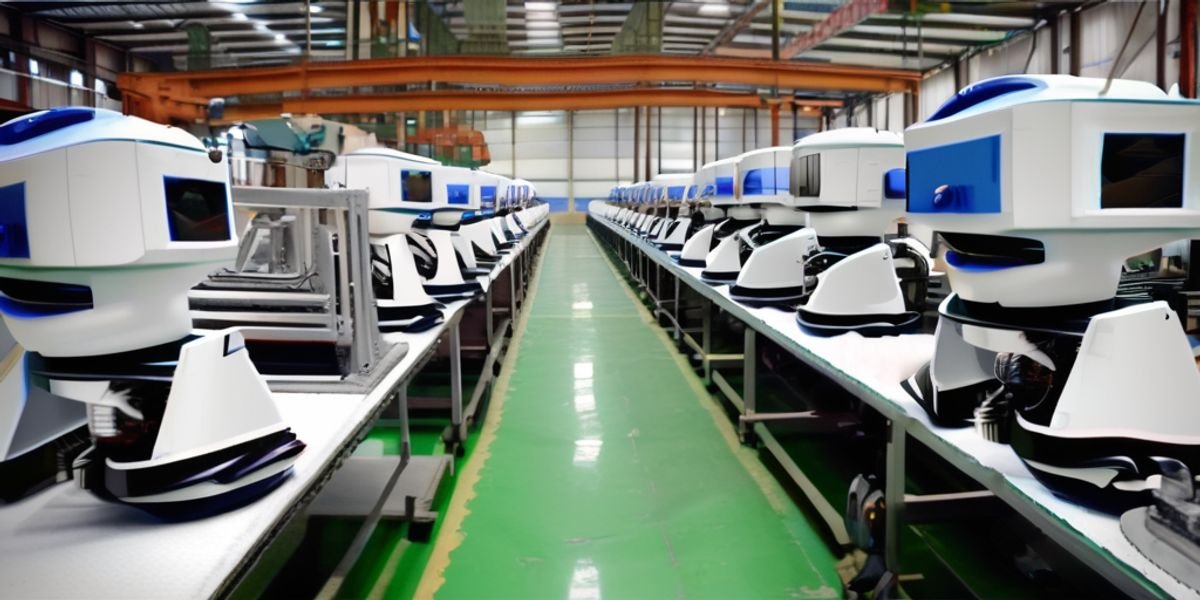
Streamlining Supply Chains
The advent of AI technology has brought about a transformative change in how businesses manage their supply chains. AI-powered tools are now capable of analyzing vast amounts of data, identifying patterns, and predicting trends to optimize inventory levels and reduce waste. This not only enhances operational efficiency but also contributes to a more sustainable business model.
- Real-time tracking of goods and materials
- Predictive analytics for demand forecasting
- Automated procurement and inventory management
- Enhanced logistics and distribution coordination
By integrating AI into supply chain management, companies are able to respond more swiftly to market changes and customer demands, ensuring that the right products are available at the right time and place.
The impact of AI on supply chains is evident in the increased accuracy of demand forecasts, the reduction of lead times, and the ability to adapt to disruptions more effectively. As AI continues to evolve, it will further empower businesses to make strategic decisions that align with their long-term objectives.
Cognitive Abilities and Problem-Solving
The advent of AI Technology has ushered in a new era where machines are not just tools for automation but partners capable of cognitive reasoning and problem-solving. AI systems are now adept at handling complex tasks, previously the sole domain of human intellect, such as strategic decision-making and predictive analytics. This shift is redefining the landscape of business operations, enabling companies to tackle challenges with unprecedented precision and insight.
AI’s cognitive capabilities are particularly evident in the realm of AI Image recognition and interpretation, where algorithms analyze visual data with remarkable accuracy. This has profound implications for industries ranging from healthcare to security, where the ability to quickly and reliably interpret images can be a game-changer.
The integration of AI into business processes is not just a leap towards greater efficiency; it’s a stride into a future where AI partners with humans to enhance decision-making and innovation.
To illustrate the transformative impact of AI’s cognitive abilities, consider the following table outlining the benefits of AI in problem-solving:
| Benefit | Description |
|---|---|
| Efficiency | AI can process and analyze data faster than humans, leading to quicker problem resolution. |
| Accuracy | Advanced algorithms reduce the likelihood of human error, enhancing the precision of outcomes. |
| Scalability | AI systems can handle an increasing number of tasks simultaneously, adapting to growing business needs. |
| Innovation | AI’s ability to learn and adapt can lead to the discovery of novel solutions to complex problems. |
Embracing AI literacy is crucial for business leaders to harness these benefits fully. Understanding AI’s potential and limitations allows for strategic integration into business models, ensuring that AI Technology serves as a catalyst for growth and innovation.
Beyond Efficiency: The Future of Work
The advent of AI in the workplace transcends mere efficiency, heralding a new era where AI’s cognitive prowess reshapes the very nature of work. This transformation is not limited to automating tasks; it’s about redefining roles and creating new paradigms for innovation and creativity.
- AI is enabling businesses to innovate and compete in previously unimaginable ways.
- The blend of human ingenuity with AI’s capabilities opens up unprecedented possibilities.
- Leaders must navigate this new landscape with foresight and a commitment to ethical principles.
The future of work influenced by AI is rich with potential, demanding a balance between technological advancement and the preservation of human-centric values. It is a future where AI complements human skills, leading to enhanced productivity and the birth of novel professions.
As we stand on the brink of the GenAI revolution, it is imperative for business leaders to steer this course wisely. The responsibility to shape a future that is prosperous, sustainable, and beneficial for all rests on their shoulders. Embracing AI responsibly means investing in people as much as technology, ensuring a harmonious symbiosis between human workers and their AI counterparts.
AI as a Service (AIaaS): Trends and Transformations

Democratizing Access to AI Technology
The AI revolution is not just for tech giants; it’s for every business, big or small. Democratizing access to AI technology is a pivotal trend, breaking down the barriers that once made AI tools exclusive to those with hefty budgets and specialized expertise. Now, a diverse range of industries can harness the power of AI to innovate and compete on a global scale.
- Transparency and Accountability: Ensuring clear communication about AI use and its limitations.
- Collaborative AI: Embracing open-source platforms and partnerships to accelerate innovation.
- Bias and Fairness: Committing to diverse datasets and regular audits to prevent unfair outcomes.
The journey ahead is not just about adopting new technologies; it’s about reshaping industries, redefining the competitive landscape, and empowering businesses of all sizes to reach new heights of efficiency and creativity.
As the AIaaS market matures, it’s becoming increasingly clear that the future is collaborative. Open-source platforms, AI consortiums, and partnerships are not just buzzwords but the cornerstones of a new, inclusive AI ecosystem. This shift is not only fostering innovation but also ensuring that AI is used responsibly and ethically, with a focus on transparency, privacy, and data security.
Innovations in Machine Learning
The landscape of machine learning is experiencing a surge of breakthroughs, fundamentally altering the capabilities of AI. Innovative algorithms are now capable of advanced predictive analytics, extending AI’s reach into forecasting and strategic planning. These advancements are not just technical feats; they represent a paradigm shift in how businesses can harness data for decision-making.
- Deep Learning: Progress in neural networks has led to more accurate and nuanced models.
- Reinforcement Learning: AI systems learn to make decisions through trial and error, optimizing their actions over time.
- Natural Language Processing (NLP): Enhanced understanding of human language enables more sophisticated interactions and analytics.
- Generative Models: AI can now create content, from text to images, with applications in design and entertainment.
The integration of these innovations into business models is pivotal. It allows companies to not only automate processes but also to innovate and create new market offerings. The transformative power of machine learning is not confined to tech giants; it’s becoming accessible to businesses of all sizes, reshaping the competitive landscape.
As we move forward, it’s crucial for businesses to stay abreast of these developments. Embracing machine learning innovations can lead to unprecedented growth and opportunities, but it also requires a strategic approach to ensure alignment with business goals and ethical standards.
Building Collaborative AI Ecosystems
The transition from isolated AI development to collaborative AI ecosystems is reshaping the landscape of artificial intelligence. Open-source platforms, AI consortiums, and strategic partnerships are pivotal in this transformation, enabling a synergy that accelerates innovation and knowledge sharing. Such ecosystems are crucial for overcoming traditional barriers to AI adoption and fostering a dynamic AI as a Service (AIaaS) environment.
By pooling resources and expertise, businesses are not only enhancing their AI capabilities but also promoting inclusivity and diversity in AI applications.
Collaborative learning environments, including workshops and seminars, are essential for keeping leadership teams informed about the latest GenAI advancements. Moreover, online communities dedicated to AI art generation and the integration of edge AI are examples of how collaboration can lead to groundbreaking applications.
The benefits of a collaborative AI ecosystem are manifold:
- Fosters innovation and ethical practices
- Encourages a more inclusive distribution of GenAI benefits
- Facilitates knowledge sharing across various stakeholders
As the AIaaS market continues to grow, the importance of building collaborative AI ecosystems becomes increasingly evident, setting a foundation for sustainable and ethical AI development.
Strategic Planning for the AI-Driven Future

Aligning AI Strategies with Business Goals
In the era of GenAI, aligning artificial intelligence strategies with business goals is paramount for companies seeking to harness the transformative power of AI. Strategic integration of AI is not merely about technology adoption; it’s about ensuring that AI initiatives are in harmony with the company’s mission, values, and long-term vision.
- Thoughtful planning and openness to evolving AI trends are essential.
- AI governance must be woven into the corporate strategy, with clear policies and accountability mechanisms.
- Collaboration with regulators and industry bodies is crucial for navigating the complex landscape of AI ethics and compliance.
By projecting the future landscape of AI and aligning AI strategies with business goals, organizations can position themselves at the forefront of the technological revolution. The successful integration of AI promises not only enhanced efficiency and innovation but also a steadfast commitment to ethical standards and responsible leadership.
Informed leaders are better positioned to make strategic decisions that effectively integrate GenAI into their business strategies. They can identify opportunities where AI can provide competitive advantages, understand the resources required for AI integration, and anticipate the impact of AI on their workforce and customer base.
Investing in AI Infrastructure
The cornerstone of any forward-thinking business is its commitment to building a robust AI infrastructure. This encompasses not only the technological hardware and software but also the cultivation of a skilled workforce adept in AI technologies. A well-planned AI infrastructure is pivotal for the seamless integration and scaling of AI solutions within a company’s ecosystem.
- Skilled Personnel: Recruiting experts in AI and data science is essential for developing and maintaining AI systems.
- Technology Platforms: Investing in scalable and secure AI platforms ensures that businesses can adapt to evolving AI capabilities.
- Data Management Systems: Robust data handling and processing facilities are critical for AI algorithms to function effectively.
By investing in these key areas, businesses can create a fertile ground for AI innovation, ensuring that they remain competitive in an increasingly AI-driven market. Moreover, this investment is a strategic move to future-proof the company against the rapid advancements in AI technology.
In the realm of risk management, it is imperative to have a contingency plan that addresses potential setbacks in AI deployment. This includes establishing protocols for data privacy, security breaches, and ensuring system resilience against failures. A proactive approach to these challenges underscores a company’s dedication to responsible AI utilization.
Sustainable and Ethical AI Practices
In the realm of artificial intelligence, sustainability and ethics are not just buzzwords but essential pillars for the future of business. The integration of AI into business processes must be approached with a keen awareness of its long-term implications on society and the environment.
The sustainable and ethical use of AI is paramount for long-term success and corporate responsibility.
Promoting Ethical AI Practices involves establishing guidelines that ensure AI systems are fair, transparent, and non-discriminatory. These principles must be deeply embedded within the company’s culture and revisited regularly to adapt to evolving standards.
Emphasizing AI Sustainability means considering the environmental impact of AI systems and striving for energy-efficient solutions. This approach not only mitigates environmental concerns but also enhances the long-term viability of AI initiatives.
- Fostering community and stakeholder engagement
- Ensuring AI applications align with organizational values
- Overseeing the development of ethical AI guidelines
- Monitoring AI systems for fairness and impartiality
- Prioritizing continuous education and awareness
The successful integration of AI promises not only enhanced efficiency and innovation but also a steadfast commitment to ethical standards and sustainability. This paves the way for a future where technology and human values coexist harmoniously.
Embracing AI Responsibly: Ethical and Sustainable Approaches

Developing Ethical AI Frameworks
In the era of GenAI, the creation of sustainable and ethical AI frameworks is not just a regulatory requirement but a cornerstone of corporate responsibility. The demand for AI systems that are fair, transparent, and accountable is growing, as businesses recognize the importance of fostering trust with their clients. To meet this demand, companies are actively working on establishing guidelines that ensure AI applications are free from biases and respect privacy and data protection norms.
- Guideline Development: Establishing clear ethical guidelines that are revisited regularly.
- Risk Management: Implementing comprehensive risk management frameworks for AI-specific risks.
- Cybersecurity Measures: Strengthening cybersecurity to protect AI systems and data.
- Transparent Governance: Ensuring AI governance practices are transparent and fair.
It is vital for organizations to not only develop but also continuously update and enforce these frameworks to align with evolving technologies and societal values. This ongoing process helps in mitigating risks associated with AI, such as biases in machine learning algorithms, which can have profound ethical implications.
Continuous education and awareness are essential for fostering a culture of ethical AI use within organizations. Board members and executives must advocate for AI practices that align with the organization’s values and ethical standards, overseeing the development and monitoring of AI systems for fairness and impartiality. Compliance with regulatory challenges is also a critical aspect, as it ensures that AI services adhere to the highest ethical benchmarks.
Lessons Learned from Real-World Applications
The journey of integrating GenAI into business operations has been marked by both triumphs and setbacks. Successful enterprises have demonstrated that strategic planning, meticulous AI integration, and a focus on data integrity and ethical practices are pivotal. Conversely, cautionary tales have emerged, underscoring the necessity for comprehensive preparation and vigilant oversight to avoid common pitfalls such as poor data quality and ethical oversights.
The landscape of GenAI applications is a testament to the dynamic nature of AI technology, where continuous learning and adaptation are essential.
Real-world applications have distilled several key lessons:
- The significance of risk management in AI ventures.
- The critical role of ethical AI frameworks to guide decision-making.
- The imperative of ongoing training to keep pace with AI advancements.
These insights are not just theoretical; they are practical guideposts for businesses aiming to navigate the complexities of AI implementation while capitalizing on its transformative potential.
Preparing for the GenAI Revolution
As the GenAI revolution unfolds, businesses must adopt a proactive and comprehensive approach to stay competitive. Enhancing AI literacy across the organization is a critical first step, ensuring that all levels of the workforce understand the capabilities and limitations of AI. Developing effective AI governance strategies is equally important to guide the ethical and responsible use of AI technologies.
Embracing GenAI requires more than just technological upgrades; it involves a cultural transformation within the organization, fostering an environment where innovation thrives.
To effectively prepare for the GenAI era, businesses should consider the following steps:
- Conducting thorough risk assessments to identify potential AI-related vulnerabilities.
- Upskilling employees to work alongside AI, fostering a symbiotic relationship between human and machine intelligence.
- Reevaluating and adapting business models to leverage AI for productivity and revenue growth.
- Establishing robust AI governance frameworks to ensure ethical and compliant AI practices.
By taking these measures, organizations can position themselves to not only survive but also prosper in the rapidly evolving landscape of GenAI.
Conclusion: Embracing the AI Revolution in Business
The journey through the AI revolution in business has been one of discovery, innovation, and transformation. As we stand at the precipice of a new era marked by the GenAI revolution, it is clear that artificial intelligence is not just a tool, but a catalyst for redefining the very essence of how businesses operate and create value. The insights gleaned from real-world applications of AI have illuminated the path forward, highlighting the importance of strategic planning, ethical considerations, and the need for adaptability in an ever-evolving technological landscape. As businesses continue to integrate AI into their core functions, the potential for growth, efficiency, and innovation is boundless. However, this potential comes with the responsibility to employ AI with foresight and a commitment to ethical principles, ensuring that the benefits of AI are shared widely and contribute to a sustainable and equitable future for all.
Frequently Asked Questions
How is AI revolutionizing customer interactions in businesses?
AI is transforming customer interactions by providing personalized experiences, automating complex decision-making processes, and enabling businesses to engage with customers more efficiently and effectively.
What are the implications of AI-powered automation on business processes?
AI-powered automation enhances efficiency and innovation, taking over complex tasks and venturing into areas requiring cognitive abilities such as decision-making and problem-solving, thus reimagining what’s possible for businesses.
What is AI as a Service (AIaaS), and how is it changing the business landscape?
AIaaS is the provision of artificial intelligence technologies through cloud-based services, democratizing access to AI and fostering innovations in machine learning, which are reshaping industries and redefining digital solutions.
How can businesses align AI strategies with their goals?
Businesses can align AI strategies with their goals by projecting the future landscape of AI, investing in necessary infrastructure, and emphasizing sustainable and ethical AI practices to position themselves at the forefront of technological innovation.
What are the ethical considerations in deploying AI technologies?
Ethical considerations include ensuring transparency, accountability, and fairness in AI systems, protecting privacy and data security, and mitigating biases to prevent harm and uphold ethical standards.
What is the GenAI revolution, and how should businesses prepare for it?
The GenAI revolution refers to the integration of AI’s capabilities with human ingenuity, leading to unprecedented possibilities. Businesses should prepare by fostering responsibility, ethical principles, and strategic planning to ensure a prosperous and sustainable future.