
The rise of artificial intelligence (AI) technology represents a transformative shift in the way societies function, impacting various facets of our daily lives. From the historical evolution of AI to its integration into modern workforces and decision-making processes, this article explores the multifaceted effects of AI on modern societies. As we navigate through the advancements and challenges posed by AI, it is crucial to understand its potential to both disrupt and enhance human welfare, reshape employment, and redefine the boundaries of creativity and personal interaction. AI Technology Role
Key Takeaways
- AI has transitioned from an academic concept to a versatile tool in numerous sectors, indicating a historic shift in technological capabilities.
- The impact of AI on the workforce is dualistic, offering both risks of job displacement and opportunities for job creation and enhanced productivity.
- AI-driven decision-making raises critical societal and ethical questions regarding accountability, bias, and the delegation of responsibilities.
- AI’s role in ‘creative destruction’ suggests a complex influence on employment, necessitating inclusive economic policies for a balanced approach.
- The integration of AI into everyday life, particularly through smart homes and wearable technology, presents challenges and advancements in user interaction, privacy, and security.
The Evolution of Artificial Intelligence: A Historical Perspective
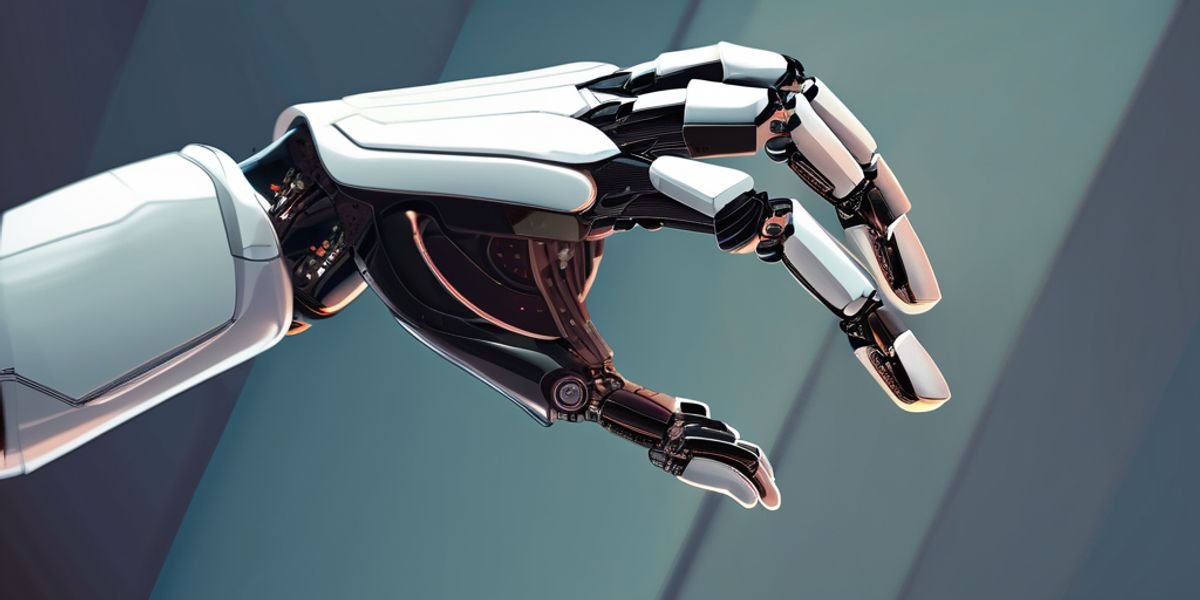
Tracing AI’s Journey from Academic Theories to Real-World Applications
The transformation of artificial intelligence (AI) from a theoretical concept to a practical tool has been a defining feature of technological progress. Initially, AI was a subject of academic curiosity, with its potential applications being purely speculative. The leap from theoretical models to real-world applications marks a pivotal moment in the history of AI.
- Early AI research focused on problem-solving and logical reasoning.
- The development of machine learning algorithms enabled AI to learn from data.
- Advances in neural networks led to breakthroughs in pattern recognition.
- The integration of AI into consumer products began with simple automation features.
- Today, AI is integral to complex systems like autonomous vehicles and personalized medicine.
The versatility of AI is now evident across various sectors, demonstrating its ability to adapt and provide solutions to complex problems. This adaptability is crucial for its ongoing integration into everyday technologies and industrial systems.
The rapid evolution of AI has not only proven its capacity to enhance existing technologies but also to create entirely new categories of applications. As AI continues to evolve, its impact on society and the economy will undoubtedly deepen, presenting both opportunities and challenges.
Exponential Growth in Computing Power and Algorithmic Efficiency
The trajectory of artificial intelligence has been profoundly influenced by the exponential growth in computing power and algorithmic efficiency. This growth has enabled AI systems to process and analyze data at unprecedented speeds, leading to significant advancements across various sectors.
- 1930s: Alan Turing’s theoretical framework sets the stage for future computing.
- World War II: Innovations lead to the Computer Era, diminishing the need for mass expertise.
- Post-war: Digital machines begin to outperform humans in routine tasks.
- 1960s: Recognition of the limits of explicit knowledge (Polanyi’s tacit knowledge).
- Datafication Era: AI’s insatiable need for data reflects broader societal trends.
The relentless advancement in computational capabilities has not only reshaped industries but also challenged the traditional valuation of human expertise. As AI continues to evolve, it is crucial to understand its implications on the fabric of society and the economy.
The implications of this technological revolution are far-reaching, affecting everything from the way we work to the very nature of our economies. As AI becomes more integrated into our lives, it is essential to foster a balanced approach that leverages the benefits of AI while mitigating its potential disruptions.
The Versatility of AI: From Autonomous Vehicles to Creative Arts
The transformative journey of AI from theoretical frameworks to tangible innovations has reshaped numerous industries. AI’s adaptability is evident in its broad spectrum of applications, ranging from the precision required in autonomous vehicles to the creativity found in the arts. This versatility is not just a testament to AI’s technological prowess but also to its potential to become an integral part of our daily lives.
The integration of AI into various sectors has been a game-changer, enabling new forms of expression and efficiency. In the realm of creative arts, AI has begun to challenge our traditional notions of creativity, blurring the lines between human and machine-generated content.
The following points highlight AI’s diverse applications:
- Autonomous driving: Enhancing safety and efficiency on the roads.
- Medical diagnostics: Providing support in detecting and diagnosing diseases.
- Creative arts: Assisting in the creation of music, literature, and visual arts.
- Personalized recommendations: Tailoring experiences to individual preferences.
As AI continues to evolve, it is crucial to address the ethical considerations and societal implications that accompany its widespread adoption. The balance between embracing AI’s potential and safeguarding human values will define the future trajectory of this transformative technology.
AI and the Workforce: Navigating the New Economic Landscape
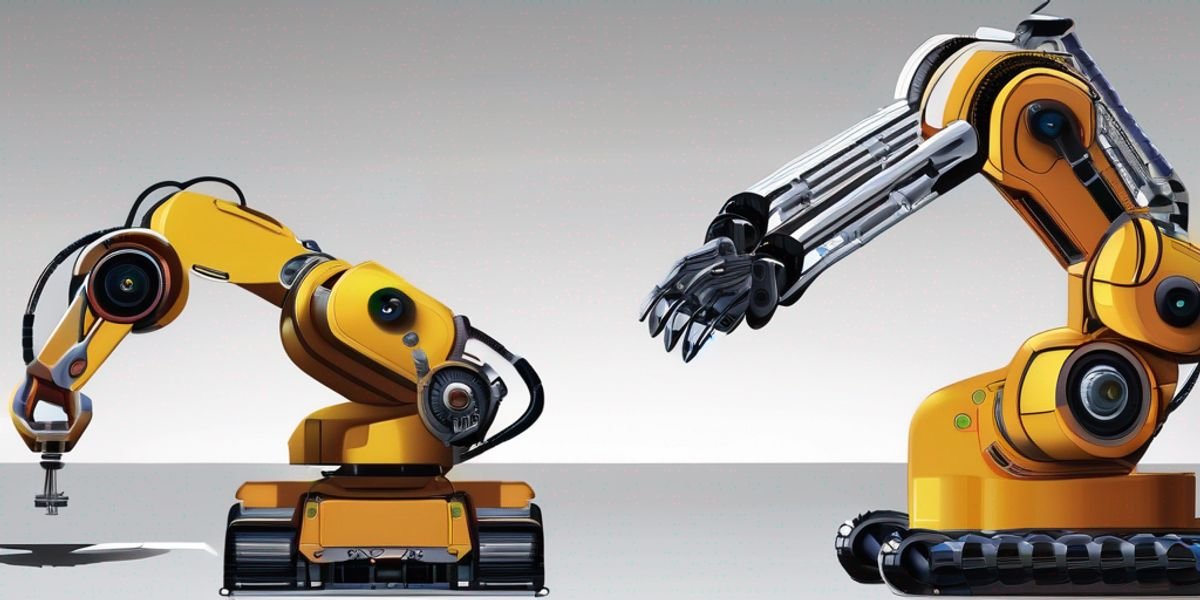
The Duality of AI: Job Displacement vs. Job Creation
The advent of artificial intelligence (AI) has ushered in a new era of ‘creative destruction,’ a term coined by economist Joseph Schumpeter to describe the process of transformation that accompanies radical innovation. In the context of AI, this means that while some jobs are being rendered obsolete, new opportunities are simultaneously being created. The challenge lies in balancing the scales between job displacement and job creation.
- AI’s impact on the job market is a dual-edged sword, with the potential to both eliminate and create jobs.
- The automation of routine tasks can lead to job displacement, particularly in sectors like manufacturing and customer service.
- Conversely, AI can also generate new roles, especially in areas requiring complex decision-making and creative skills.
The discourse around AI’s impact on employment is nuanced, characterized by both optimism and apprehension.
The transition may not be seamless, as the skills required for emerging jobs may not align with those of displaced workers. This misalignment necessitates a proactive approach to workforce retraining and education to ensure that individuals can adapt to the evolving job landscape. The table below illustrates the contrasting effects of AI on different job sectors:
| Sector | Job Displacement | Job Creation |
|---|---|---|
| Manufacturing | High | Moderate |
| Customer Service | High | Low |
| Healthcare | Low | High |
| Technology | Moderate | High |
As AI continues to advance, it is imperative to advocate for policies that support a balanced integration of AI into the labor market, ensuring that the benefits of AI are widely distributed and that the workforce is prepared for the jobs of the future.
The Role of AI in Automating Routine Tasks and Enhancing Productivity
The advent of AI technology has ushered in a new era of efficiency and productivity, particularly in the automation of routine tasks. AI’s ability to perform repetitive and predictable tasks has transformed industries, allowing human workers to focus on more complex and creative endeavors. This shift is not just about replacing human labor but enhancing it, as AI tools can supplement expertise through automation and augmentation.
- AI-powered robots in manufacturing increase production rates while reducing errors.
- AI assists in customer service by handling routine inquiries, freeing staff for more nuanced issues.
- In logistics, AI optimizes routes and inventory management, leading to significant time and cost savings.
The integration of AI in the workforce is a delicate balance between leveraging technology for productivity gains and ensuring the evolution of job roles to accommodate this new paradigm.
While AI technology has the potential to render certain jobs obsolete, it also paves the way for new roles and opportunities. The World Economic Forum highlighted that it’s not AI itself that displaces workers, but rather those who harness AI effectively. As AI continues to evolve, it is imperative that workers adapt and upskill to remain relevant in an AI-infused job market.
Policy Imperatives for a Balanced Integration of AI in the Labor Market
As artificial intelligence (AI) continues to permeate various sectors, it is imperative to establish policies that ensure a balanced integration of AI in the labor market. The goal is to harness AI’s potential to enhance productivity while safeguarding employment opportunities.
- Policy Development: Crafting regulations that encourage innovation and protect workers.
- Education and Training: Investing in continuous learning to equip the workforce with AI-relevant skills.
- Economic Diversification: Encouraging industries to diversify and integrate AI without reliance on a single sector.
- Social Safety Nets: Strengthening support for those displaced by AI advancements.
The right policies can transform AI from a challenge into an opportunity, fostering an environment where technology and human expertise coexist and thrive.
The balance between AI-driven efficiency and workforce stability is delicate. Policymakers must navigate this landscape with a nuanced approach that considers the multifaceted impacts of AI. By doing so, they can create a labor market that is resilient, dynamic, and inclusive.
AI-Driven Decision Making: Societal and Ethical Considerations
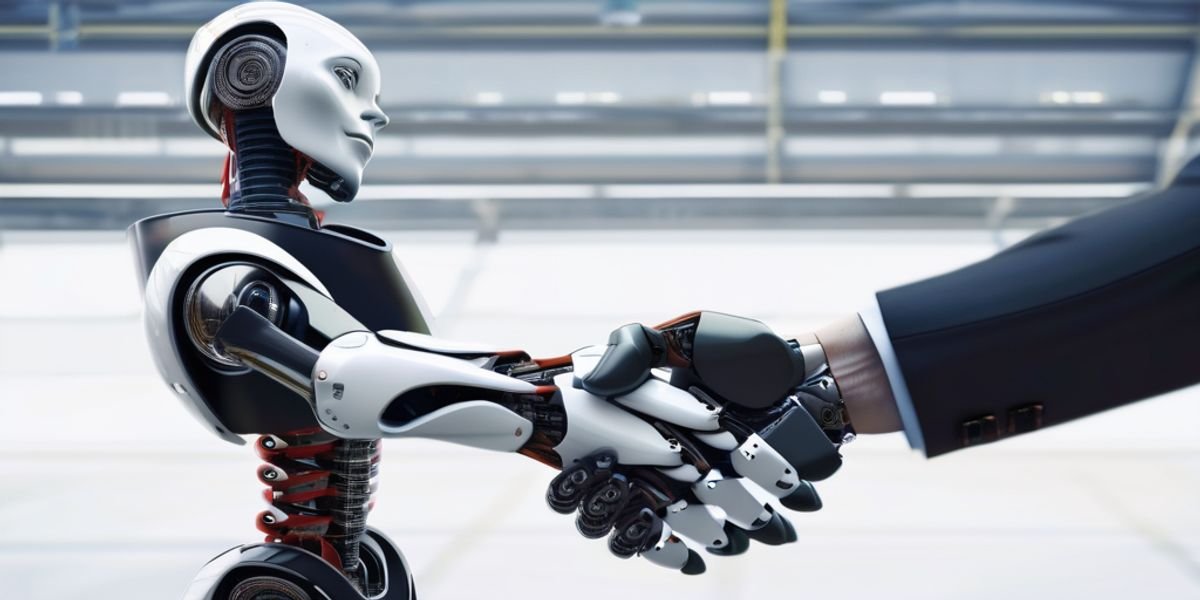
The Influence of AI on Personalized Recommendations and Autonomous Choices
The advent of AI technology has ushered in an era where personalized recommendations and autonomous choices are becoming increasingly prevalent. AI algorithms are pivotal in analyzing user data to deliver content, products, or services that resonate with individual preferences. This not only enhances the user experience but also streamlines decision-making processes.
- Personalized Recommendations: Tailored suggestions based on user behavior.
- User-Centric Design: Devices crafted to cater to individual needs and preferences.
- Tailored Experiences: Customized interactions to match unique user habits.
- Individual Preferences: Continuous refinement of experiences through AI learning.
The integration of AI in personal devices has not only improved performance but has also revolutionized the way users interact with technology. Adaptive interfaces and cognitive computing enable devices to anticipate needs and provide proactive assistance, ensuring a seamless and intuitive user experience.
The implications of AI’s role in decision-making extend beyond convenience, raising critical questions about accountability, bias, and the delegation of responsibilities in complex situations. As AI continues to evolve, it is imperative to address these ethical considerations to ensure that the technology serves to augment human decision-making without compromising individual autonomy or societal values.
Accountability and Bias: The Human-AI Responsibility Nexus
The integration of AI into decision-making processes has ushered in an era where accountability and bias are at the forefront of technological ethics. As AI systems increasingly influence our choices, from personalized recommendations to life-altering decisions, the delineation of responsibility between humans and algorithms becomes blurred. This raises pivotal questions: Who is accountable when an AI system falters? How do we mitigate inherent biases that may arise from AI’s interpretation of data?
The responsibility gap in AI is a pressing issue that society must address to ensure that the benefits of AI are equitably distributed and that its applications do not perpetuate existing inequalities.
To navigate this complex landscape, several key steps can be taken:
- Establishing clear guidelines for AI accountability
- Implementing rigorous bias detection and correction protocols
- Encouraging transparency in AI decision-making processes
- Promoting interdisciplinary collaboration to understand and address AI’s societal impact
These steps are crucial for building trust in AI systems and ensuring that they serve the public interest without exacerbating social divides.
Preparing Society for the Ethical Challenges Posed by AI
As artificial intelligence becomes increasingly integrated into various aspects of our lives, it is imperative to prepare society for the ethical challenges it presents. The ethical landscape of AI is complex and multifaceted, encompassing issues of accountability, bias, and the boundaries between human and AI-driven decision-making. To navigate this terrain, a multi-pronged approach is essential.
- Education and Awareness: Ensuring that the public understands AI’s capabilities and limitations.
- Regulatory Frameworks: Developing laws and guidelines to govern AI use.
- Ethical Standards: Establishing industry-wide ethical standards for AI development and deployment.
The balanced potential of AI hinges on our ability to harness its capabilities while mitigating its risks. This requires a concerted effort from policymakers, technologists, and society at large.
The conversation about AI’s role in society often oscillates between viewing it as a potential threat and a tool for enhancing human welfare. To reconcile these perspectives, it is crucial to advocate for policies that promote the responsible use of AI, ensuring that it contributes positively to social welfare and the pursuit of meaningful lives and work.
Artificial Intelligence and Creative Destruction: The Future of Employment
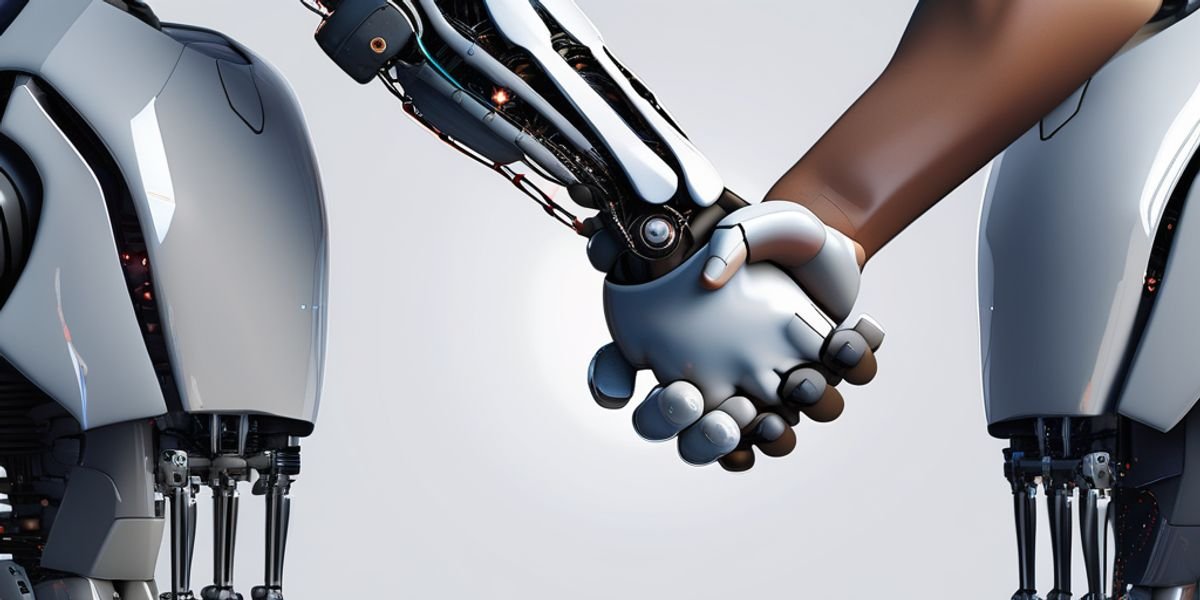
Understanding AI’s Impact on Global Value Chains and Social Welfare
The advent of Artificial Intelligence (AI) has ushered in a new era of ‘creative destruction,’ where old industries are disrupted and new opportunities emerge. AI’s integration into global value chains has been transformative, altering the way goods and services are produced, distributed, and consumed. This integration has significant implications for labor markets and social welfare, necessitating a nuanced understanding of AI’s dual role as both a potential threat and a tool for enhancing human welfare.
- AI’s role in automating production processes can lead to job displacement, particularly in routine and manual tasks.
- Conversely, AI can create new job opportunities in sectors like AI development, data analysis, and system maintenance.
- The diffusion of AI technologies through global value chains can enhance efficiency and reduce costs, but may also lead to unequal benefits across different regions and industries.
The right policies will be crucial to ensure that the economic benefits of AI are widely distributed and that social welfare is protected.
Advocating for a balanced and inclusive approach to AI’s role in the economy is essential. Policymakers must navigate the future with foresight, ensuring that AI serves as an enabler of human welfare rather than a disruptor. The insights from recent studies, such as those by the Vienna Institute for International Economic Studies (wiiw), highlight the importance of understanding the nuanced effects of AI on wages and income shares across different sectors.
Advocating for Inclusive Economic Policies in the Age of AI
In the age of AI, the balance between economic growth and social welfare is delicate. Policymakers must advocate for inclusive economic policies that ensure the benefits of AI are widely distributed. AI’s dual role as both a disruptor and an enabler necessitates a nuanced approach to its integration into the economy.
- AI’s potential to drive ‘creative destruction’ can lead to job displacement, yet also to job creation.
- A balanced approach requires policies that support those displaced while fostering innovation.
- Inclusive policies should aim to diffuse AI’s impact through global value chains, ensuring fair wage and income distribution.
The right policies can transform AI from a potential threat into a powerful tool for enhancing human welfare.
The insights from recent studies, such as those by the Vienna Institute for International Economic Studies (wiiw), highlight the importance of understanding AI’s impact on wages and income shares. As AI reshapes global value chains, it is imperative to advocate for economic policies that are inclusive and consider the broader implications on social welfare.
Technology and Labour: Insights from Recent Studies on Wages and Income Shares
Recent studies have shed light on the intricate relationship between technological advancements and labor economics. Innovation, particularly as measured by patent grants, has been shown to correlate positively with wage increases. This suggests that technological progress can indeed translate into tangible benefits for the workforce, particularly for those involved in innovative sectors.
The ‘productivity bandwagon’ effect implies that as technology drives productivity upwards, wages in the lower income brackets also see an uplift. Despite the potential of technology to displace traditional jobs, it also holds the promise of enhancing societal welfare through increased productivity and wage growth.
The study titled ‘Assessing the Impact of New Technologies on Wages and the Labour Income Share’ provides a comprehensive analysis across 32 developed countries and 38 industries. It explores the impact of technology spill-overs in global value chains on labor income shares and wages. The findings underscore the dual role of technology as both a disruptor and an enabler:
- Innovation leads to higher wages, especially in innovative fields.
- Technological advancements contribute to increased overall productivity.
- There is a positive effect on wages, particularly in the lower deciles of income distribution.
These insights are crucial for policymakers and stakeholders as they navigate the complexities of integrating AI and other new technologies into the economic fabric, ensuring that the benefits are widely distributed and that the workforce is prepared for the transitions ahead.
The Integration of AI in Everyday Life: Smart Homes and Wearable – AI Technology Role

Revolutionizing User Interaction with AI-Enhanced Wearable Devices
The integration of AI into wearable technology is not just a trend; it’s a transformative movement that is making our personal devices smarter and more responsive to our needs. AI Chat functions, for example, have become a staple in wearable devices, offering users the ability to interact with their gadgets through natural language processing. This leap in technology has led to a more intuitive user experience, where devices can understand and predict user preferences.
- Personalized Insights: AI algorithms analyze user data to provide tailored health and fitness recommendations.
- Proactive Assistance: Devices can preemptively offer suggestions, such as reminding you to stand up after prolonged sitting.
- Seamless Integration: AI enables wearables to work in harmony with other smart devices, creating a cohesive ecosystem.
The potential of AI in wearable technology extends beyond convenience; it’s about creating a deeply personalized experience that adapts to the individual’s lifestyle, enhancing daily routines and overall well-being.
However, the sophistication of AI in wearables also raises important questions about privacy and data security. Users must navigate these concerns while reaping the benefits of enhanced device interaction. As AI continues to evolve, it will undoubtedly unlock new possibilities for user engagement, setting the stage for the next generation of personal technology.
AI Technology Role
The Role of AI in Advancing Smart Home Technologies
The integration of artificial intelligence (AI) into smart home technologies has marked a transformative era in home automation. Smart appliances, now imbued with AI, have the ability to learn and adapt to our habits, optimizing energy use and enhancing sustainability. These intelligent systems can predict our preferences, adjust to our schedules, and even save on utility costs without compromising comfort.
- AI-powered virtual assistants have become the central hub for home management, offering voice-controlled convenience and a seamless interface with other connected devices.
- Enhanced user experience is achieved through intuitive reminders, automated adjustments of settings like lighting and temperature, and even security monitoring.
- The push for inclusive design in smart home devices ensures that technology is accessible and beneficial to all, regardless of ability.
The promise of AI in smart homes extends beyond mere convenience; it is reshaping our living spaces into ecosystems of efficiency and personalized comfort.
However, the proliferation of AI in smart homes is not without its challenges. Privacy and security concerns are at the forefront, necessitating robust solutions to protect users from potential vulnerabilities. As AI continues to evolve, it is imperative that these issues are addressed to maintain trust and ensure the safe integration of these technologies into our daily lives.
Navigating the Privacy and Security Implications of AI in Personal Devices
The integration of AI into personal devices has revolutionized user experiences, offering unprecedented levels of personalization and convenience. However, this technological leap forward brings with it significant privacy and security challenges that must be addressed.
As AI systems gain access to vast amounts of personal data, the risk of exposure or misuse becomes a pressing concern. Safeguarding personal data is not just a technical issue but a fundamental aspect of maintaining user trust.
- Security Challenges in AI Devices: Ensuring robust protection against unauthorized access and cyber threats.
- Data Privacy Concerns With AI: Balancing the benefits of AI-driven personalization with the need to protect sensitive information.
- AI’s Role in Wearable Tech and Smart Homes: Examining the impact of AI on the privacy dynamics of everyday life.
The evolution of AI in wearable tech and smart homes shows the potential for even greater accessibility innovations in the future, yet it underscores the need for vigilant privacy and security measures.
To navigate these challenges, a multi-faceted approach is essential, involving not only technological solutions but also regulatory frameworks and user education. The future trends in AI integration will likely continue to push the boundaries of what’s possible, making the discussion around ethical and societal impacts more critical than ever.
Conclusion
The ascent of AI technology represents a transformative epoch in human history, akin to the Industrial and Computer revolutions. Its integration into various facets of modern societies has demonstrated both the potential for unprecedented efficiency and the challenge of navigating ethical and economic implications. As AI continues to evolve, from automating mundane tasks to enhancing decision-making and creative endeavors, it is imperative that we foster a balanced approach that maximizes benefits while mitigating risks. The future of AI in our societies will be shaped by the policies we enact and the societal discourse we engage in, ensuring that the technology serves as a tool for enhancing human welfare rather than a disruptive force. Ultimately, the rise of AI technology calls for a collaborative effort to harness its capabilities for the greater good, while remaining vigilant of its impact on employment, social structures, and the very fabric of human achievement.
Frequently Asked Questions
How has AI evolved from academic theories to real-world applications?
AI’s journey from theoretical concept to practical application has been remarkable. Initially confined to academic papers and experimental projects, AI has rapidly evolved due to exponential improvements in computing power, data availability, and algorithmic efficiency. Today, AI can drive cars, diagnose medical conditions, and even create art and music.
What are the implications of AI on the job market?
The impact of AI on employment is nuanced, with AI acting as both a disruptor and an enabler. While it has the potential to automate routine tasks and increase efficiency, there is also concern about job displacement. However, it can also create new job opportunities and enhance human welfare if integrated with the right policies.
Can AI affect the meaningfulness of human work?
Yes, AI has the potential to affect the meaningfulness of human work. As AI takes over routine and procedural tasks, there’s a risk that it may diminish the potential for human achievements in the workplace. However, this can be mitigated by focusing AI on enhancing human capabilities rather than replacing them.
What role does AI play in creative industries?
AI is increasingly being used in creative industries to augment human creativity. It can generate music, create art, and even assist in writing, blurring the boundaries between human and AI creativity. This collaboration can lead to new forms of art and innovation.
How is AI influencing smart home technologies?
AI is advancing smart home technologies by making devices more intuitive and responsive to user needs. It allows for better energy management, security, and convenience, transforming how we interact with our living spaces.
What are the privacy and security implications of AI in personal devices?
As AI becomes more integrated into personal devices, concerns about privacy and security escalate. AI systems often require data to function effectively, which raises questions about data handling, user consent, and the potential for breaches. Ensuring robust security measures and transparent privacy policies is essential.