
In the era of digital transformation, artificial intelligence (AI) has permeated various aspects of daily life, including the way we interact with text. The article ‘From Words to Wisdom: The Role of AI Text Analysis in Everyday Life’ explores the multifaceted impact of AI in text analysis, shedding light on its profound influence on academic research, legal processes, healthcare, communication, and beyond. AI’s ability to decipher, translate, and interpret vast amounts of data is revolutionizing our approach to knowledge acquisition and decision-making, offering insights that were once beyond human capability.
Key Takeaways
- AI text analysis significantly enhances efficiency in academic research by processing and analyzing large volumes of literature.
- Legal workflows and healthcare record analysis are optimized through AI, leading to faster and more accurate outcomes.
- Automatic translation and plagiarism detection are pivotal in improving communication and protecting intellectual property.
- Narrative analysis and knowledge graph creation using AI contribute to a deeper understanding of literature and complex data.
- AI-driven advice and decision-making systems are poised to offer personalized recommendations, with ethical considerations.
Enhancing Academic and Professional Efficiency

Revolutionizing Academic Research
The integration of AI text analysis tools is transforming the landscape of academic research, enabling scholars to sift through vast amounts of data with unprecedented speed and accuracy. These tools are not only expediting literature reviews but also uncovering novel insights through pattern recognition in large datasets.
- AI-driven analysis of academic papers can identify emerging trends and research gaps.
- Machine learning algorithms assist in the categorization and summarization of scholarly articles.
- Enhanced bibliometric studies provide a deeper understanding of research impact and networks.
The synergy between human intellect and machine efficiency is crafting a new paradigm in academic exploration, where the depth and breadth of investigation are significantly amplified.
The potential of AI in academic research is further exemplified by the collaborative efforts of faculty and students. They are leveraging generative AI and human-machine teaming to refine writing processes and pedagogical approaches, as evidenced by recent publications and conferences that focus on the intersection of technology and humanities.
Optimizing Legal Workflows
The integration of AI in legal workflows marks a transformative leap in the efficiency and accuracy of legal operations. AI-powered tools are revolutionizing the legal industry by automating routine litigation tasks, such as research and case summarization, which traditionally consumed substantial time and resources. This automation not only accelerates the process but also reduces the likelihood of human error.
AI’s role in legal workflows extends beyond mere automation. It includes sophisticated spam and phishing detection through natural language processing (NLP), which is crucial for maintaining the integrity of legal communications. By identifying language patterns commonly associated with spam, AI tools enhance the security of legal correspondence.
The strategic implementation of AI in legal workflows not only streamlines complex processes but also empowers legal professionals to focus on more nuanced and strategic aspects of their work.
The benefits of AI in optimizing legal workflows can be summarized as follows:
- Automation of routine litigation tasks
- Quick identification of potential issues
- Summarization of cases with greater speed and accuracy
- Enhanced security through spam and phishing detection
By embracing AI, legal firms and departments can significantly improve their operational efficiency, ensuring that they remain at the forefront of legal innovation and service excellence.
Advancing Healthcare through Record Analysis
The integration of AI in healthcare has led to significant advancements in the analysis of medical records, transforming data into actionable insights that enhance patient care. AI-driven analysis tools are now capable of sifting through vast amounts of patient data, identifying patterns, and aiding in early diagnosis and personalized treatment plans.
- Improved Patient Outcomes: AI algorithms can predict patient risks and suggest preventative measures.
- Efficiency in Record-Keeping: Automated systems reduce manual errors and save time.
- Data-Driven Decisions: Clinicians can make informed decisions with comprehensive data analysis.
The synergy between AI and healthcare professionals is creating a paradigm shift in how medical data is utilized, leading to more informed and timely healthcare decisions.
Furthermore, AI in healthcare is not just about data analysis; it’s about building a foundation for future innovations. As AI continues to evolve, its potential to revolutionize healthcare practices grows exponentially, promising a future where technology and medicine advance hand in hand.
Elevating Language and Communication

Breaking Language Barriers with Automatic Translation
The advent of AI-driven automatic translation has been a game-changer in breaking down language barriers, enabling seamless communication across the globe. The evolution from rules-based systems to advanced machine learning models has significantly improved translation accuracy and fluency.
Automatic translation tools, such as Google Translate and Bing Translator, have democratized access to information by allowing instant translation of text, audio, and documents into numerous languages. These tools have become essential for travelers, international businesses, and online education, fostering inclusivity and global collaboration.
The integration of automatic translation into customer service has revolutionized the way companies interact with their global audience, providing immediate assistance and understanding customer feedback across different languages.
The impact of automatic translation is evident in various sectors:
- Customer service automation: Voice assistants use speech recognition to direct calls accurately.
- Customer feedback analysis: AI tools filter social media reviews, enhancing brand perception.
- Content accessibility: Translating educational materials and web content broadens reach.
As we continue to refine these technologies, the potential for AI to further bridge linguistic divides is immense, promising a future where language is no longer a barrier to knowledge and connection.
Detecting Plagiarism with Precision
In the digital age, the integrity of academic and professional work hinges on the ability to ensure originality. AI-powered plagiarism detection tools, such as Copyleaks and Grammarly, have become indispensable in safeguarding this integrity. These tools employ advanced algorithms to scan documents for text matches, flagging potential instances of plagiarism with remarkable accuracy.
The sophistication of AI in detecting plagiarism not only protects intellectual property but also upholds ethical standards in writing. By analyzing vast databases of academic material, these systems can cross-reference and detect even the subtlest forms of text duplication.
The proactive use of AI for plagiarism detection is a testament to the technology’s potential in maintaining the quality and credibility of information.
The impact of AI in this domain is quantifiable, with significant improvements in the detection process:
- Enhanced scanning capabilities that cover extensive databases of academic papers.
- Reduction in manual review time, allowing for quicker verification processes.
- Increased accuracy in identifying not just exact copies, but also paraphrased content.
The future of plagiarism detection is poised to become even more robust as AI continues to evolve, promising a landscape where original thought is preserved and celebrated.
Improving Customer Interactions with AI Assistants
In the realm of customer service, AI Chat assistants are transforming the way businesses interact with their clientele. These advanced systems are designed to understand and respond to customer inquiries with remarkable accuracy and speed, leading to a significant enhancement in user experience.
- Customer feedback analysis and service automation are just the tip of the iceberg when it comes to the capabilities of AI Chat assistants. They can sift through social media reviews, discerning valuable insights, and automate responses to common queries, ensuring that customer interactions are both efficient and personalized.
The integration of AI Chat into customer service workflows marks a pivotal shift in how businesses manage customer relations. The immediacy and precision of these tools help in maintaining a high standard of service, even during peak times or after hours.
The table below showcases the impact of AI Chat on customer service efficiency:
| Feature | Description |
|---|---|
| Dynamic Dialogues | Chatbots remember past interactions, tailoring future responses. |
| User-Centric Benefits | AI Chat provides a richer, more engaging user experience. |
| Prompt Chaining | AI evolves to handle complex tasks with greater context awareness. |
As AI Chat continues to evolve, it becomes an indispensable asset for companies aiming to stay ahead in the competitive landscape of customer satisfaction. The technology not only streamlines interactions but also opens up new avenues for customer engagement and loyalty.
AI in the Fight Against Digital Deception
Combating Spam with Natural Language Processing
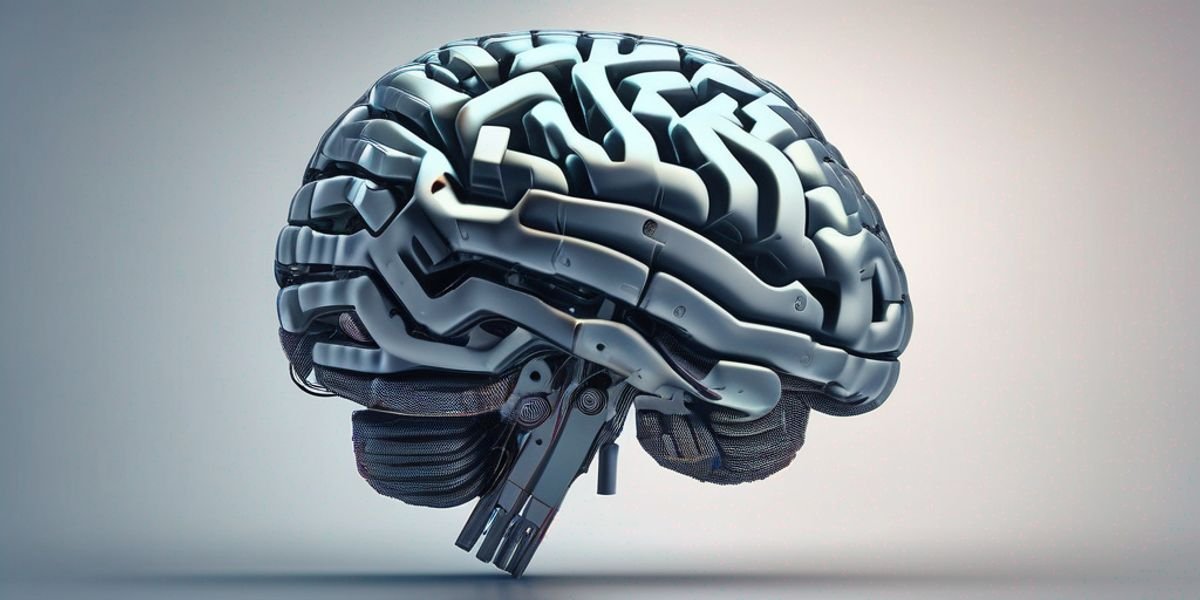
In the digital age, AI Technology plays a pivotal role in safeguarding our inboxes from the relentless tide of unwanted emails. AI Text analysis, specifically through Natural Language Processing (NLP), has become an indispensable tool in identifying and filtering spam. NLP algorithms are adept at discerning patterns typical of spam, such as urgent calls to action, exaggerated claims, and dubious links.
The effectiveness of NLP in spam detection can be illustrated through the following key points:
- Precision: AI’s ability to learn and adapt to new spam tactics.
- Speed: Instantaneous analysis of emails as they arrive.
- Scalability: Handling vast quantities of data without fatigue.
By leveraging AI Text analysis, email providers can offer a cleaner, more secure communication experience, ensuring that only relevant messages reach the user’s inbox.
The integration of NLP in spam detection not only enhances user experience but also contributes to the overall cybersecurity landscape. As spam often serves as a vehicle for more sinister threats like phishing and malware, the role of AI in intercepting these threats cannot be overstated. The continuous evolution of AI Technology ensures that NLP systems remain effective against the ever-changing tactics of digital deception.
Protecting Intellectual Property through Plagiarism Detection
In the digital age, protecting intellectual property has become a paramount concern for creators and educators alike. Plagiarism detection tools, such as Copyleaks and Grammarly, are at the forefront of safeguarding original content. These AI-powered systems scan documents to detect text matches and potential plagiarism, ensuring that intellectual efforts are rightfully attributed.
The sophistication of AI in plagiarism detection not only identifies direct copies but also subtle instances of paraphrasing and idea replication. This level of analysis is crucial in maintaining the integrity of academic and creative works.
The impact of these tools is significant across various domains:
- Academic research benefits from the assurance of originality in scholarly works.
- Publishers and authors can protect their written material from unauthorized use.
- Educational institutions can uphold standards of honesty and academic integrity.
By integrating AI into the process of plagiarism detection, we are not just upholding legal standards but also fostering a culture of respect for intellectual labor and creativity.
AI’s Role in Narrative and Knowledge
Narrative Analysis in Literature and Science Fiction
The intricate narratives woven into science fiction literature serve as more than mere entertainment; they reflect and critique complex societal issues. Science fiction often grapples with themes such as racism, colonialism, and consciousness, providing a rich tapestry for narrative analysis. This genre’s unique relationship with representation and cognition offers a distinctive lens through which we can explore the implications of technology and human interaction.
The cognitive affordances of science fiction, while sometimes criticized for being disinformative, play a crucial role in shaping our understanding of machine learning and artificial intelligence.
Despite the genre’s potential to mislead, it is not inherently epistemically disadvantaged. Instead, it presents a pattern of affordance and resistance that can illuminate or obscure various subject matters. The narratives, often penned by scientists and academics, mirror their creators’ perspectives, which can sometimes lead to a skewed representation of diverse experiences.
- Layered Themes: Racism, Colonialism, Slavery, Capitalism
- Cognitive Affordances: Representation, Cognition
- Criticism: Potential to Mislead, Disinformative Nature
- Creators’ Perspectives: Influence of Author’s Background
Narrative analysis in science fiction is not just an academic exercise; it influences how we perceive and interact with emerging technologies. As we continue to integrate AI into our lives, understanding the stories we tell about it becomes increasingly important.
Creating Dynamic Knowledge Graphs for Enhanced Comprehension
The advent of AI has brought about a transformative approach to understanding complex narratives and historical data. Dynamic knowledge graphs serve as a pivotal tool in this evolution, enabling a more nuanced comprehension of texts. These graphs are not static; they evolve with the addition of new information, reflecting the fluid nature of knowledge.
By mapping characters, events, and interactions within a narrative to embedding vectors, AI creates a multidimensional space where relationships and patterns emerge more clearly.
This process is not limited to literature but extends to the analysis of social media networks and historical events. The following list outlines the key benefits of utilizing dynamic knowledge graphs:
- Enhanced story comprehension through character network extraction.
- Improved content indexing and retrieval in organizational knowledge management.
- Contextualized historical data for a better grasp of societal narratives.
The potential applications of these graphs are vast, with research indicating their utility in fields ranging from psychology to legal workflows. As AI continues to integrate into various sectors, dynamic knowledge graphs will likely become an indispensable asset for data analysis and decision-making.
Exploring the Psychological Implications of AI-Human Interaction
The intersection of artificial intelligence and human psychology is a burgeoning field, revealing both opportunities and challenges. The psychological implications of AI-human interaction are profound, affecting everything from personal autonomy to the erosion of privacy. AI systems, including AI Image technologies, are not just tools but actors in a broader societal context, influencing behavior and decision-making.
- AI’s impact on employment and work transformation
- Privacy concerns due to increased surveillance
- The potential for AI to erode public discourse through disinformation
The nuanced relationship between AI and human psychology necessitates careful consideration, particularly as we integrate these systems into warfare, healthcare, transport, and cybersecurity.
Research into AI’s advice-giving capabilities underscores the need for ethical frameworks. As AI continues to evolve, understanding its psychological effects on humans will be crucial for developing responsible AI policies and practices.
The Future of AI-Driven Advice and Decision Making

Personalized Educational Recommendations
The advent of AI in education has ushered in a new era of personalized learning experiences. Educational recommender systems are at the forefront, tailoring academic advice and resources to individual needs. These systems leverage user modeling and personalization to align recommendations with the learner’s preferences, enhancing the educational journey.
- Educational recommender systems suggest courses, programs, and learning resources.
- Personalization is achieved through embedding vectors representing user preferences.
- AI observes user trajectories post-recommendation to gauge content value.
Learners can interact with these systems, providing valuable feedback through likes, upvotes, and dialogues. This input is crucial for AI to learn and refine its recommendations, ensuring a continuously improving educational experience.
The potential of AI-driven educational advice lies in its ability to adapt to the evolving needs of learners, creating a dynamic and responsive learning environment.
Intelligent coaching systems are envisioned to reuse existing advice rather than generate new content on-the-fly, making efficient use of resources while maintaining a high level of personalization.
AI Systems as Advisors: Ethical and Practical Considerations
The integration of AI systems as advisors in various sectors has sparked a significant debate on the ethical and practical implications of such technology. The potential of AI to infer individuals’ goals and provide personalized advice holds promise for a future of tailored guidance. However, the development of these systems requires careful consideration of the frameworks and models that govern their operation to ensure they are beneficial at scale.
The relationship between humans and AI advisors is complex, involving not only the process of interaction but also the potential for deep social connections.
Researchers are exploring the nuances of advice-related interactions, aiming to understand how AI can effectively engage with individuals through natural-language dialogues or adaptive input forms. This understanding is crucial for AI systems to offer contextually relevant recommendations that align with personal objectives.
- Ethical considerations include privacy, autonomy, and the potential for AI to influence human decision-making.
- Practical considerations involve the accuracy of AI in understanding human needs and the adaptability of AI systems to diverse scenarios.
As research progresses, it is essential to keep these considerations in mind to foster AI advisors that enhance, rather than undermine, human agency and wisdom.
Conclusion
In the journey from words to wisdom, AI text analysis has proven to be an invaluable asset across various domains of everyday life. From enhancing customer experiences through feedback analysis and service automation to advancing academic research and legal processes, AI’s ability to process and interpret vast amounts of text is transforming the way we interact with information. The potential for AI to assist in healthcare, education, and even creative fields like science fiction writing is immense, as it offers insights and efficiencies previously unattainable. However, as we embrace these technological advancements, it is crucial to remain mindful of ethical considerations and the importance of maintaining human oversight. The stories of AI in contemporary science fiction serve as a reminder of the nuanced relationship between humans and machines, urging us to approach AI with both optimism and caution. As we continue to explore the capabilities of AI text analysis, let us strive to use these tools to build a more informed, efficient, and equitable world.
Frequently Asked Questions
How is AI text analysis revolutionizing academic research?
AI text analysis tools can analyze vast amounts of academic material and research papers, not just based on metadata but also the content itself. This helps in identifying patterns, trends, and connections that might be missed by human researchers, significantly speeding up the research process and enabling more comprehensive literature reviews.
In what ways does AI text analysis benefit the healthcare industry?
In healthcare, AI text analysis assists in the categorization and analysis of patient records, extracting useful insights that can predict and potentially prevent diseases. It also helps in managing large volumes of data, ensuring that healthcare providers can make informed decisions based on up-to-date and comprehensive patient information.
What role does AI play in plagiarism detection?
AI-powered tools like Copyleaks and Grammarly use advanced algorithms to scan documents for text matches and potential plagiarism. These tools can detect similarities in large databases of texts, making it easier for educators and publishers to ensure the originality of content.
How does AI help in breaking language barriers?
AI is instrumental in breaking language barriers through automatic translation tools such as Google Translate and Bing Translator. These tools can translate text, audio, and documents into multiple languages, enabling communication and understanding across different linguistic communities.
Can AI systems ethically serve as advisors and make decisions?
Research into AI as advisors is ongoing, and while there’s potential for AI to provide personalized recommendations and advice, ethical and practical considerations are paramount. Issues such as bias, accountability, and transparency must be addressed to ensure that AI systems can serve as fair and reliable advisors.
What is the significance of narrative analysis in AI?
Narrative analysis in AI, especially within literature and science fiction, helps in understanding how stories reflect and shape our perceptions of AI. By creating dynamic knowledge graphs and analyzing narrative structures, AI can enhance story comprehension and explore the psychological implications of AI-human interaction.