
AI Text Generation: Revolutionizing Content. In the rapidly evolving landscape of digital media, AI text generation is revolutionizing the way content is created, consumed, and perceived. OpenAI’s Sora, a state-of-the-art video generation model, exemplifies this shift by enabling the creation of lifelike videos from text prompts. As AI reshapes industries and redefines roles, it is crucial to navigate the challenges and opportunities this technology presents. The article ‘From Words to Wisdom: AI Text Generation Transforming Content Creation’ delves into the multifaceted impact of AI on content creation, exploring its influence on storytelling, workforce dynamics, ethical considerations, and the harmonization with human creativity.
Key Takeaways
- OpenAI’s Sora is setting new standards in video generation, pushing the envelope of visual storytelling and raising important questions about digital authenticity.
- The integration of AI in the workforce is prompting the emergence of new roles, such as prompt engineers, and necessitating a culture that prioritizes continuous learning.
- As AI-generated content becomes more prevalent, developing tools for detection and fostering ethical practices among stakeholders is becoming increasingly important.
- The entertainment and media industries are undergoing a transformation, with AI influencing content consumption and production, and enabling new forms of storytelling.
- The collaboration between AI and human creativity is creating a new paradigm in artistic expression, balancing technological innovation with the human touch.
The Dawn of AI-Driven Visual Storytelling

OpenAI’s Sora: A Milestone in Video Generation
The unveiling of OpenAI’s Sora has ushered in a new era of AI-driven visual storytelling. Sora’s ability to generate realistic 60-second videos from text prompts is a testament to the rapid advancements in AI technology and its potential to revolutionize content creation. This tool empowers users to transform written descriptions into vivid video clips, pushing the boundaries of digital media.
Sora’s capabilities are particularly noteworthy for their detail and complexity:
- Generation of high-definition video clips
- Creation of videos from still images
- Extension of existing videos by filling in missing frames
Despite its impressive features, Sora faces challenges such as simulating complex physics and understanding cause and effect. These hurdles underscore the ongoing need for innovation in the field.
As we embrace the transformative power of AI in video generation, it’s crucial to consider the broader implications for the future of storytelling and content authenticity. The emergence of Sora is not just a milestone for technology but a pivotal moment for the entire entertainment industry.
Implications for the Future of Digital Content
The advent of AI-driven visual storytelling heralds a transformative era for digital content creation. The integration of tools like OpenAI’s Sora signifies a paradigm shift, where the boundaries between creator and creation become increasingly fluid. This shift is not merely technical but also cultural, as it redefines the roles of artists, developers, and consumers in the digital ecosystem.
The implications of AI-generated content are profound and multifaceted, encompassing ethical, societal, and creative dimensions. To illustrate, consider the following points:
- The democratization of content creation, enabling individuals with limited technical skills to produce high-quality visual stories.
- The acceleration of content production, potentially leading to an oversaturation of digital media.
- The need for robust ethical frameworks to guide the responsible use of AI in content generation.
As we navigate this new landscape, the collective wisdom of technologists, creators, and policymakers will be crucial. It is imperative to foster a dialogue that balances innovation with the integrity of digital content.
Furthermore, the implications for the entertainment industry are particularly striking. AI-generated content raises significant questions about originality, copyright, and the nature of creativity itself. OpenAI’s commitment to developing tools to detect AI-generated content and implementing safety measures is a testament to the complex interplay between innovation and responsibility in the digital age.
Ensuring Responsible Use of Generative AI
As the capabilities of AI in content generation continue to advance, ensuring the responsible use of generative AI becomes paramount. OpenAI’s initiative with Sora reflects a commitment to this responsibility, incorporating tools to detect AI-generated content and reject harmful prompts. This proactive approach is crucial in maintaining a balance between innovation and ethical considerations.
The development and implementation of safety measures are not just about mitigating risks; they are about shaping the future of digital content creation in a way that is both progressive and conscientious.
To further this goal, a multi-faceted strategy is essential:
- Developing Robust Detection Tools: To distinguish between human and AI-generated content, ensuring authenticity and trust in digital media.
- Implementing Safety Protocols: To prevent the misuse of AI in generating harmful or misleading content.
- Engaging with Stakeholders: To understand diverse perspectives and foster collaboration between policymakers, educators, and artists.
- Promoting Transparency: To build trust with users by being open about the capabilities and limitations of AI systems.
These steps represent a collective effort to harmonize the power of AI with the values of society, ensuring that the digital landscape remains a space for safe and responsible creativity.
Evolving Roles in the AI-Enhanced Workforce

The Rise of Prompt Engineering and AI Literacy
The emergence of AI as a pivotal force in the workforce has given rise to a novel and critical role: prompt engineering. This discipline focuses on the art of crafting precise and effective prompts that guide AI systems to produce desired outcomes. As AI literacy becomes an essential skill, the demand for professionals adept in this new field is surging.
- Understanding the nuances of AI interaction
- Mastering the art of question framing
- Generating valuable insights from AI models
The proficiency in prompt engineering not only enhances the quality of AI-generated content but also empowers users to harness the full potential of AI tools.
Corporate strategies are rapidly evolving to integrate AI literacy as a core competency. Leaders are recognizing the need to foster a culture of continuous learning to stay ahead in an AI-driven landscape. Upskilling initiatives and training programs are becoming commonplace, ensuring that the workforce remains agile and informed.
| Skill Area | Demand Increase |
|---|---|
| AI and Machine Learning | High |
| Prompt Engineering | Growing |
| AI Literacy | Essential |
As AI continues to redefine the boundaries of possibility, the synergy between human creativity and machine intelligence is becoming the cornerstone of innovation. The journey towards AI fluency is not just about adapting; it’s about thriving in a future where AI is an integral part of the creative and analytical processes.
Adapting Corporate Strategies for AI Disruptions
As AI reshapes the business world, corporate strategies must evolve to harness its transformative power. Leaders are tasked with integrating AI into their strategic planning, ensuring their organizations are agile enough to adapt to rapid technological changes. This integration is not just about adopting new tools; it’s about rethinking the entire business model to leverage AI’s potential for innovation and growth.
The key to thriving in an AI-driven future lies in a company’s ability to be proactive rather than reactive. By anticipating AI’s impact, businesses can create a competitive edge.
To effectively adapt, companies must consider several strategic dimensions:
- Assessment of AI’s role in current and future business operations.
- Development of an AI-ready workforce, including reskilling and upskilling initiatives.
- Reevaluation of data management and governance to support AI integration.
- Creation of ethical guidelines for AI use to maintain trust and compliance.
These strategies are not just theoretical; they are being implemented by industry leaders who recognize the urgency of staying ahead in an AI-dominated landscape. The table below illustrates the areas of focus for organizations aiming to adapt their strategies for AI disruptions:
| Focus Area | Description |
|---|---|
| Workforce Development | Initiatives to prepare employees for an AI-augmented workplace. |
| Data Infrastructure | Investments in systems that can support large-scale AI applications. |
| Ethical AI Use | Policies to ensure responsible AI deployment. |
| Strategic Innovation | Efforts to incorporate AI into products and services for new market opportunities. |
By embracing these strategic imperatives, companies can not only mitigate the risks associated with AI disruptions but also unlock new avenues for growth and success.
Cultivating a Culture of Continuous Learning
In the rapidly evolving landscape of artificial intelligence, cultivating a culture of continuous learning is paramount for organizations aiming to harness the full potential of AI. This culture is not just about staying current with technological trends; it’s about embedding a mindset of perpetual growth and adaptability within the workforce.
The fast-paced nature of AI advancements generates the perpetual need for updated skill sets and a culture of continuous learning. In this new era, staying abreast of AI advancements will not be a choice, but rather a fundamental requirement for organizations to remain competitive.
To effectively promote a culture of AI adoption, consider the following strategies:
- Identify and support enthusiastic learners within the organization who show a natural inclination towards adopting new technologies.
- Invest in upskilling initiatives that empower both new and existing talent, leveraging the expertise of Subject Matter Experts (SMEs).
- Partner with companies offering specialized AI training programs to enhance proficiency and create a feedback loop for continuous improvement.
By embracing these strategies, organizations can create an environment where learning is continuous, and AI becomes an integral part of the workforce, driving innovation and maintaining a competitive edge.
Navigating the Challenges of AI Content Creation
Balancing Innovation with Digital Authenticity
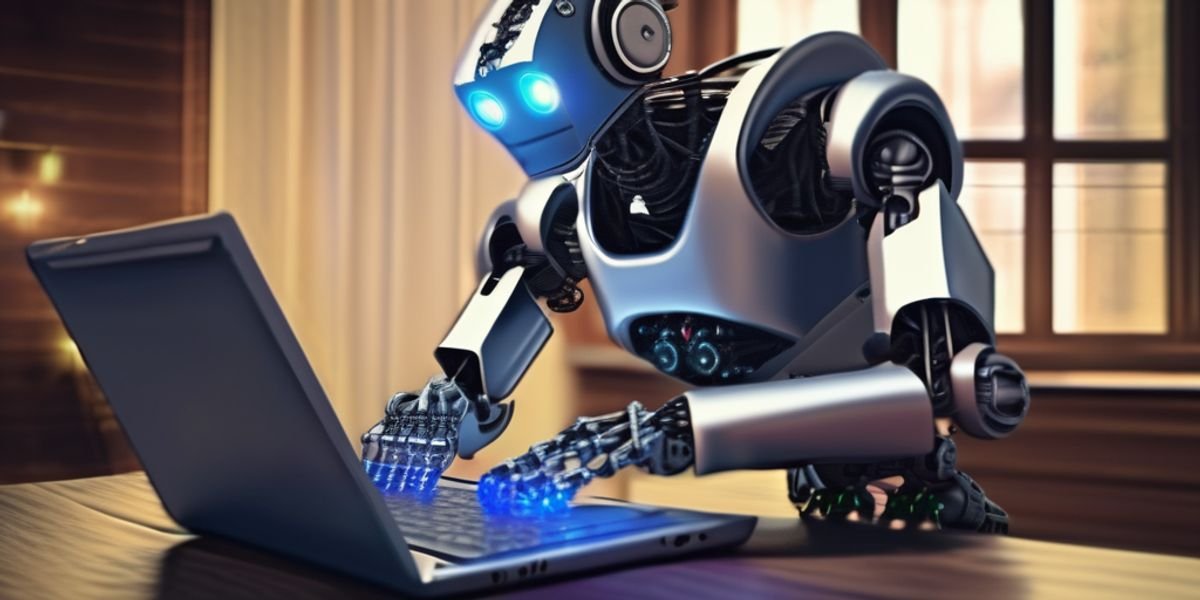
In the realm of AI content creation, the pursuit of innovation must be carefully weighed against the need for digital authenticity. The integration of AI tools like Sora into content creation processes heralds a new era of possibilities, yet it also raises questions about the originality and genuineness of the resulting works.
As the lines between human and machine-generated content become increasingly blurred, it is crucial to maintain a clear distinction to preserve the integrity of digital media. The following points outline key considerations in this balance:
- Ensuring that AI-generated content is clearly labeled to maintain transparency with audiences.
- Developing best practices for the use of AI in creative processes that respect intellectual property rights.
- Fostering collaborations between technologists and creators to enhance the authenticity of AI-assisted works.
The collective wisdom of technologists, creators, and policymakers will be paramount in navigating the challenges and opportunities that lie ahead.
Organizations must recognize the importance of authenticity as a cornerstone of trust with their audience. Those who fail to acknowledge the significance of this balance may find themselves at a disadvantage, as consumers increasingly value the human element in digital interactions. The potential of AI for innovation is immense, but it must be harnessed in a way that respects and enhances the human touch in content creation.
Developing Tools to Detect AI-Generated Content
As AI-generated content becomes more prevalent, the need for tools to distinguish between human and machine-created text is paramount. The development of detection tools is crucial in maintaining the integrity of digital content. These tools often employ machine learning algorithms to analyze writing styles and patterns that are characteristic of AI-generated text.
- Detection Accuracy: The precision with which AI-generated content can be identified.
- Adaptability: The ability of tools to evolve with advancing AI capabilities.
- Accessibility: Ensuring that detection tools are user-friendly and widely available.
- Transparency: Clear communication about the limitations and capabilities of detection tools.
The balance between innovation and authenticity hinges on the sophistication of these detection mechanisms. As AI continues to evolve, so must the tools designed to monitor its output, ensuring that the digital ecosystem remains a space for genuine human expression.
Collaborating with Stakeholders for Ethical Practices
In the realm of AI content creation, ethical practices are paramount. Collaboration among stakeholders is essential to navigate the complex landscape of AI ethics. This includes not only the creators and users of AI but also those who are indirectly affected by its outputs. To ensure responsible AI use, a multi-stakeholder approach is necessary, involving:
- Regulatory bodies to establish and enforce guidelines
- AI developers to prioritize ethical considerations in design
- End-users to be aware of AI capabilities and limitations
- Affected parties to have a voice in AI’s impact on society
By fostering strategic collaboration, we can nurture AI advancement that respects ethical boundaries and promotes beneficial outcomes for all.
Balancing AI gains with risk mitigation requires a clear set of guidelines. These should address regulatory compliance, environmental stewardship, and privacy protection. The table below outlines key areas for stakeholder collaboration in AI ethics:
| Area of Focus | Stakeholder Role |
|---|---|
| Regulatory Compliance | Establishing clear legal frameworks |
| Environmental Impact | Ensuring sustainable AI practices |
| Privacy & Data Protection | Safeguarding user information |
| Transparency & Accountability | Promoting open AI systems |
Aligning organizational culture with AI integration is not just about technology adoption; it’s about creating an environment that supports continuous learning and ethical AI utilization. As Jeff Bezos’ API Mandate suggests, technology should enable efficient information exchange, fostering a culture where AI is used responsibly and innovatively.
AI’s Impact on the Entertainment and Media Industries

Transforming the Landscape of Entertainment Technology
The advent of AI Technology has ushered in a new epoch for the entertainment industry, revolutionizing the way content is created, distributed, and consumed. AI Chat platforms and AI Text generators are now integral tools for creators, enabling them to craft narratives with unprecedented speed and versatility. Similarly, AI Image generation is transforming visual storytelling, allowing for the rapid prototyping of visual concepts and scenes.
The integration of AI into entertainment technology is not just altering the tools we use, but also the very fabric of creative expression. It is a catalyst for innovation, pushing the boundaries of what is possible in media production.
The impact of AI on entertainment technology can be summarized in the following points:
- AI-driven tools are democratizing content creation, making it accessible to a wider range of creators.
- The speed of content production has increased, with AI assisting in the rapid generation of text, chat, and images.
- There is a growing need for professionals who can bridge the gap between technology and creativity, as exemplified by the rise of roles such as AI ethicists and prompt engineers.
As we navigate this changing landscape, it is crucial to maintain a balance between embracing AI’s capabilities and preserving the authenticity that is the hallmark of human creativity. The future of entertainment technology lies in harmonizing these forces, fostering an environment where AI amplifies human potential without overshadowing it.
The Role of AI in Modern Storytelling
The advent of AI in storytelling has revolutionized the way narratives are crafted and consumed. AI-generated content is not just a novelty; it’s becoming a staple in the modern digital narrative. The integration of AI tools in storytelling workflows allows for unprecedented levels of personalization and efficiency, enabling creators to produce content at scale while maintaining a high degree of creative control.
- AI-driven platforms can analyze audience data to suggest plot twists and character developments that resonate with viewers.
- Generative models like OpenAI’s Sora are pushing the boundaries of what’s possible, turning text prompts into rich visual stories.
- The collaboration between human writers and AI is yielding hybrid narratives that blend the best of both worlds.
The synergy between AI and human creativity is crafting a new paradigm in storytelling, where the depth of human emotion is amplified by the precision of algorithms.
As we navigate this new terrain, it’s crucial to maintain a balance between leveraging AI’s capabilities and preserving the authenticity that only human experience can bring to a story. The future of storytelling is not about AI replacing humans but about harmonizing their strengths to create more compelling, immersive, and personalized narratives.
The Future of Content Consumption and Production
The advent of AI-driven technologies like OpenAI’s Sora is not just reshaping content creation; it’s revolutionizing the very way we consume and produce media. The seamless integration of AI into the entertainment industry heralds a new paradigm where interactive and personalized content becomes the norm.
- AI-generated content offers unprecedented scalability, allowing for a diverse array of narratives to be crafted at speed.
- The democratization of content production empowers individuals and smaller entities to compete with large studios.
- Real-time content adaptation to viewer feedback can create more engaging and immersive experiences.
The future beckons a symbiotic relationship between AI and human creativity, where each enhances the other, leading to richer and more dynamic storytelling.
As we navigate this transformative landscape, it is crucial to maintain a balance between embracing innovation and preserving the authenticity that is the hallmark of great storytelling. The collaboration between technologists, creators, and policymakers will be instrumental in ensuring that the content of tomorrow not only captivates but also upholds the values we cherish in our narratives.
Harmonizing AI with Human Creativity
Blending AI Capabilities with Artistic Expression
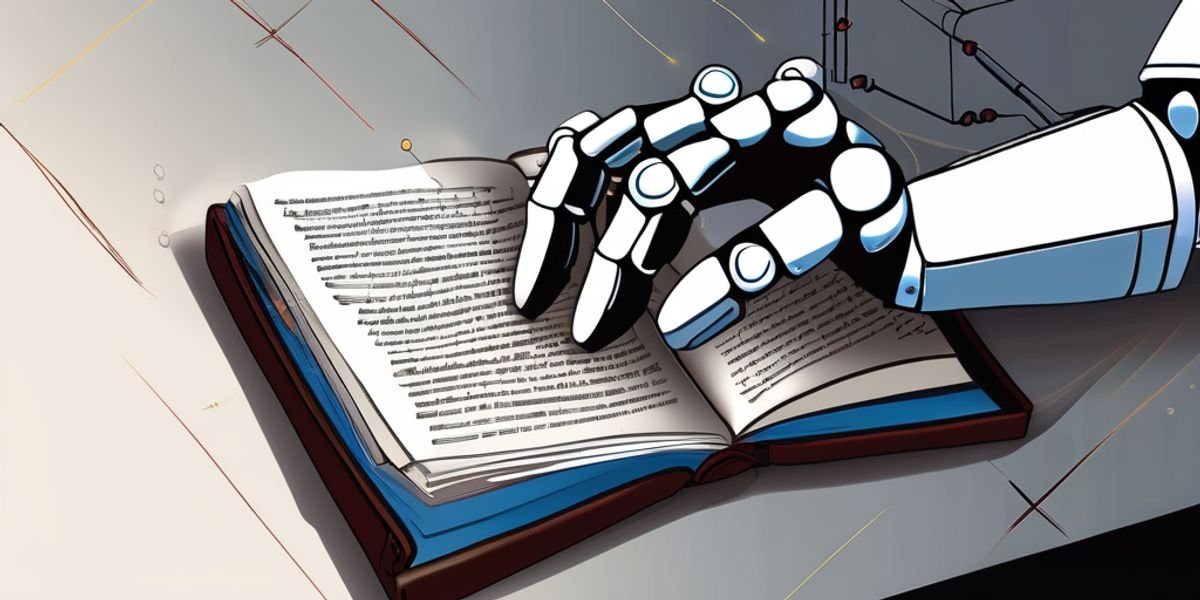
The fusion of AI with human creativity is ushering in a new era of artistic expression, where the boundaries between technology and art become increasingly blurred. AI’s role in the creative process is evolving from a tool of efficiency to a partner in creativity, enhancing the artist’s ability to experiment and innovate. This collaboration is not about replacing the artist but augmenting their capabilities, allowing them to push the boundaries of what’s possible.
- AI can handle time-consuming tasks, freeing artists to focus on the creative aspects.
- It offers new mediums and forms of expression, expanding the artist’s palette.
- Artists can leverage AI to explore complex patterns and generate novel ideas.
The true potential of AI in art lies in its capacity to open up uncharted territories of creativity, providing artists with a new lens through which to see and shape their work.
As we continue to explore this symbiotic relationship, it’s crucial to maintain a balance that respects the unique strengths of both human and machine. The goal is to create a harmonious environment where AI tools are used to enhance human creativity, not overshadow it. By doing so, we can ensure that the essence of art, driven by human emotion and experience, remains at the heart of all creative endeavors.
The Human-AI Collaboration in Creative Processes
The synergy between human creativity and AI’s computational power is reshaping the creative landscape. AI’s role is to augment and enhance human capabilities, not to replace them. By taking over repetitive and data-heavy tasks, AI allows creators to focus on the essence of innovation and storytelling.
- AI handles data analysis and pattern recognition, enabling personalized content creation.
- Humans provide the emotional intelligence and cultural context that AI lacks.
- Together, they streamline workflows, making the creative process more efficient.
The true potential of AI in creativity lies in its ability to unlock new forms of expression and to assist in the realization of visions that were once impossible.
As AI continues to evolve, the collaborative dynamic between humans and machines will become more nuanced. The challenge lies in maintaining a balance where AI supports human creativity without stifling it, ensuring that the heart of creation remains distinctly human.
Fostering Innovation While Preserving Human Touch
In the quest to harmonize AI with human creativity, the key lies in balancing the innovative force of AI with the irreplaceable value of human touch. As AI becomes more integrated into the creative process, it is essential to maintain a synergy that amplifies human potential rather than replacing it.
The fusion of AI’s capabilities with human intuition and emotion can lead to unprecedented forms of artistic expression and innovation.
To achieve this, organizations must adopt strategies that promote a culture of AI adoption while ensuring the continuous development of human skills:
- Encourage interdisciplinary collaboration between technologists and creatives.
- Provide ongoing education and training in AI tools and ethics.
- Foster an environment that values both technological proficiency and creative insight.
The future of work hinges on the ability to innovate and adapt. Organizations that embrace AI while nurturing human creativity will not only survive but thrive in this new era. The harmonization of AI with human capacities is not just a possibility; it is an imperative for sustained success in a world where technology and creativity intersect.
Conclusion
As we conclude our exploration of the transformative impact of AI text generation on content creation, it is clear that we are witnessing a paradigm shift. The advent of OpenAI’s Sora and the evolution of generative AI models like ChatGPT have not only redefined the boundaries of digital storytelling but also challenged us to reimagine the future of creative expression. The implications of these technologies extend to every corner of industry and society, demanding a proactive approach to harness their potential responsibly. While AI-generated content raises questions of authenticity and ethical use, it also offers unprecedented opportunities for innovation and efficiency. As we navigate this new era, the synergy between human creativity and AI’s capabilities will be pivotal in shaping a world where technology amplifies human potential, rather than replacing it. The journey from words to wisdom is ongoing, and AI text generation is a powerful companion on this path, transforming the way we create, share, and engage with content.
Frequently Asked Questions
What is OpenAI’s Sora and how does it transform visual storytelling?
OpenAI’s Sora is a generative AI model that creates realistic 60-second videos based on text prompts. This technology marks a significant leap in digital content creation, offering new possibilities for visual storytelling and raising questions about the future of digital authenticity.
How are corporate strategies adapting to AI disruptions?
Corporate strategies are adapting to AI disruptions by reorganizing and reskilling workforces, acquiring targeted talent, and ensuring enterprises are prepared to capitalize on AI advancements, exemplified by technologies like ChatGPT.
What are some of the challenges associated with AI content creation?
Challenges in AI content creation include maintaining digital authenticity, developing tools to detect AI-generated content, and collaborating with stakeholders to establish ethical practices.
How is AI impacting the entertainment and media industries?
AI is transforming the entertainment and media industries by reshaping the landscape of entertainment technology, altering the role of AI in storytelling, and changing the ways content is consumed and produced.
What is prompt engineering and why is it becoming important?
Prompt engineering is the skill of framing questions and prompts to effectively engage with generative AI systems like ChatGPT. It’s becoming important due to the growing need for professionals who can extract insights or generate meaningful outputs from AI models.
How can we harmonize AI with human creativity?
We can harmonize AI with human creativity by blending AI capabilities with artistic expression, fostering human-AI collaboration in creative processes, and encouraging innovation while preserving the human touch in art and content creation.