
Artificial Intelligence (AI) is no longer just a futuristic concept; it has become a vital part of modern industries, driving unprecedented changes in the way businesses operate. From automating mundane tasks to enabling data-driven decision-making and fostering innovation, AI technology is at the forefront of smart automation and is reshaping the competitive landscape. In this article, we will explore how AI is transforming various sectors through smart automation and the benefits it brings to the table.
Key Takeaways
- AI-driven automation is revolutionizing industry efficiency, productivity, and innovation across sectors such as manufacturing, healthcare, and finance.
- Robotic Process Automation (RPA) and intelligent algorithms are accelerating operational speed, minimizing errors, and enhancing productivity.
- AI-powered business analytics are streamlining processes, reducing human error, and enabling strategic resource allocation for better decision-making.
- AI’s adaptive nature allows for learning, decision-making, and handling of complex tasks, leading to responsive automation in dynamic business environments.
- The integration of AI into business strategies is providing a competitive edge, optimizing efficiency, and unlocking new productivity horizons.
Revolutionizing Efficiency: AI in Process Automation
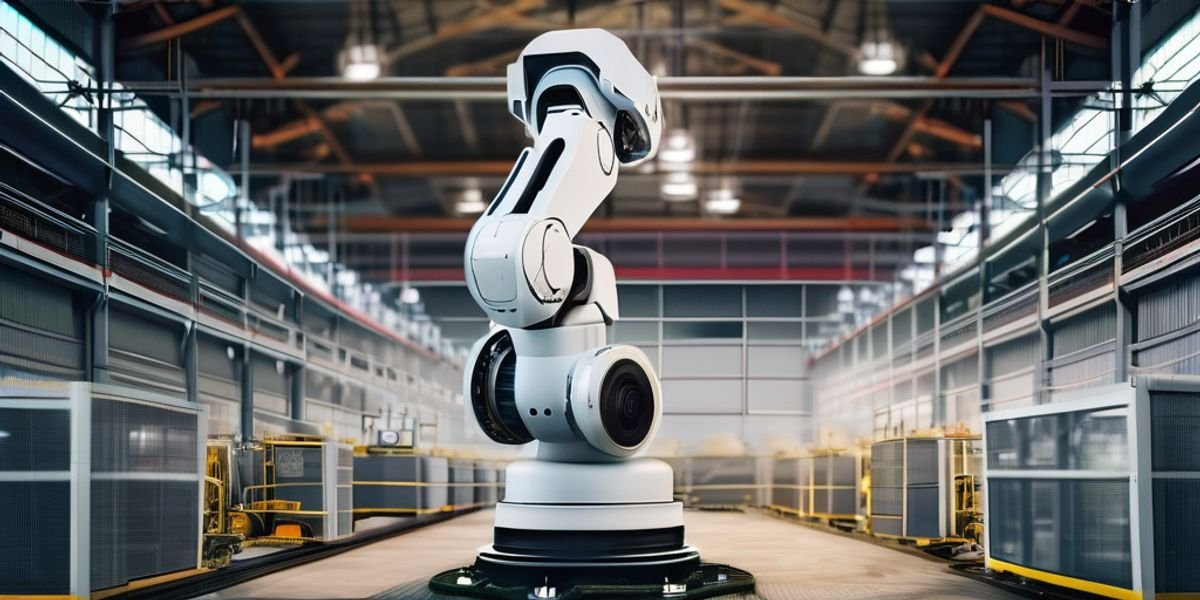
The Rise of Robotic Process Automation (RPA). AI Technology.
Robotic Process Automation (RPA) is rapidly becoming a cornerstone of business process optimization. Businesses are harnessing RPA to delegate mundane tasks to AI systems, resulting in significant efficiency gains and a shift towards more strategic and creative human labor. This transition not only accelerates operational speed but also minimizes errors, fostering a leaner organizational structure.
RPA’s integration into business workflows marks a pivotal moment in digital transformation. It signifies a departure from legacy practices and propels companies into a future where AI amplifies human capabilities.
The impact of RPA can be seen across various sectors:
- Financial Services: Streamlining transaction processing and compliance reporting.
- Healthcare: Automating patient data management and billing.
- Retail: Enhancing inventory management and customer service.
- Manufacturing: Optimizing supply chain operations and quality control.
As RPA continues to evolve, it is poised to unlock new levels of productivity and innovation, reshaping the way businesses operate in an increasingly digital world.
Enhancing Productivity with Intelligent Algorithms
AI Technology is reshaping the landscape of productivity across various industries. Intelligent algorithms are at the forefront of this transformation, optimizing operations and driving efficiency to unprecedented levels. By analyzing vast amounts of data, AI systems provide actionable insights that enable businesses to streamline their processes and reduce waste.
- Intelligent Production Optimization Tools: AI solutions analyze data from environmental sensors, supply chain networks, and production lines to maximize productivity.
- AI-Driven Quality Control Systems: Modern sensors and robotics, combined with data analysis, enhance productivity and quality, forming the basis for AI-driven expansion.
AI’s prowess in automation is a game-changer, delegating mundane tasks to machines and freeing human resources for more strategic work. This not only accelerates operational speed but also minimizes errors, leading to a leaner organizational structure.
The table below illustrates the impact of AI Technology on productivity enhancement:
| Factor | Before AI | After AI Implementation |
|---|---|---|
| Error Rate | High | Significantly Reduced |
| Efficiency | Variable | Consistently High |
| Scalability | Limited | Greatly Expanded |
As industries continue to embrace intelligent AI technologies, they unlock new horizons of productivity and competitiveness. The integration of AI into business strategies is not just an option but a necessity for continuous improvement and innovation in today’s rapidly evolving market.
The Future of Work: AI-Driven Operational Speed
The integration of AI into the workplace is not just about adopting new technologies; it’s about redefining the very nature of work itself. AI-driven operational speed is not merely a goal but a transformative force, reshaping tasks, workflows, and entire business models. With AI, companies are experiencing unprecedented levels of efficiency and productivity.
- Robotic Process Automation (RPA) has shifted the paradigm from manual to automated, precision-driven processes.
- Intelligent algorithms are now at the core of business operations, enhancing decision-making and reducing the need for repetitive human intervention.
- The agility afforded by AI is enabling businesses to respond swiftly to market changes and customer demands.
AI is not just a tool but a strategic asset, accelerating operations and fostering a culture of continuous improvement and innovation.
The table below illustrates the impact of AI on operational speed in various sectors:
| Sector | Before AI | After AI |
|---|---|---|
| Manufacturing | 12-month design cycles | Less than 6-month cycles |
| Logistics | Standard delivery times | Reduced delivery times |
As AI continues to evolve, the future of work will be characterized by smart automation, where human creativity is augmented by machine precision and speed. The challenge for industries is not just to adopt AI, but to adapt to the new pace of innovation it brings.
Data-Driven Decision Making: The Impact of AI on Business Analytics

Streamlining Processes with AI-Powered Solutions
The integration of AI into business process automation marks a pivotal shift in operational efficiency. AI-powered solutions are adept at transforming complex workflows into streamlined processes, enhancing the speed and accuracy of tasks across various sectors. By automating routine chores, AI allows employees to redirect their focus towards strategic and innovative projects, fostering company growth and innovation.
AI’s capability to analyze and act on data in real-time has revolutionized decision-making, offering precision and efficiency that were previously unattainable.
In the realm of logistics, for example, AI-driven predictive analytics are optimizing transportation routes, leading to reduced fuel consumption and faster delivery times. Smart warehouses utilize AI to improve order fulfillment, and predictive maintenance minimizes vehicle and machinery downtime. Below is a snapshot of the impact AI has on logistics:
| Aspect | Impact of AI Automation |
|---|---|
| Route Optimization | Reduced fuel consumption and delivery times |
| Warehouse Management | Enhanced order fulfillment efficiency |
| Maintenance | Decreased downtime of vehicles and machinery |
As AI technologies continue to evolve, they promise even more transformative applications that will redefine the future of work and business. Embracing AI-driven automation is becoming an imperative for maintaining a competitive edge in the rapidly changing business landscape.
Reducing Human Error and Enhancing Precision
The integration of AI into business processes is a game-changer when it comes to reducing human error and enhancing precision. AI-driven systems are designed to perform tasks with a level of accuracy that far surpasses human capabilities, particularly in repetitive and data-intensive jobs. This shift not only minimizes the chances of mistakes but also ensures a higher standard of consistency across operations.
- Improved Accuracy: AI automation significantly increases the precision of task execution.
- Consistency: Automated processes deliver consistent outcomes, reducing variability.
- Cost Savings: Reduced need for manual labor leads to substantial cost reductions over time.
- Standardized Processes: Automation standardizes procedures, making production times predictable and insights actionable.
By eliminating the variability that human factors introduce, organizations can maintain quality and deliver superior results more consistently. Moreover, the savings on labor and resources previously allocated for quality control contribute to improved profit margins.
The table below illustrates the impact of AI automation on error reduction and precision enhancement in a hypothetical scenario:
| Metric | Before AI | After AI |
|---|---|---|
| Error Rate (%) | 5 | 0.5 |
| Consistency Score (1-10) | 6 | 9 |
| Operational Cost Savings | 20% | 50% |
| Process Standardization | Moderate | High |
Embracing AI automation not only streamlines operations but also paves the way for a more innovative and efficient future, where strategic resource allocation fosters continuous improvement and growth.
Fostering Innovation through Strategic Resource Allocation
The integration of AI into business strategies has led to a paradigm shift in how resources are allocated, fostering an environment ripe for innovation. AI-driven tools are pivotal in optimizing resource allocation, ensuring that each project is equipped with the necessary tools and talent to succeed. This strategic approach not only streamlines operations but also enhances collaborative efforts across various departments.
- Smart Project Management: AI facilitates the efficient distribution of resources.
- Continuous Learning: AI systems adapt to maintain effective analytics over time.
- Structural Flexibility: A unified approach to AI use-case development.
By minimizing data fragmentation and embracing interoperability between systems, businesses can fully leverage the benefits of AI. This modernization strategy is essential for reducing inefficiencies and promoting a culture of continuous improvement.
The journey of integrating AI is transformative, reshaping not just operations but also customer experiences. As AI continues to learn and adapt, it becomes an indispensable asset for businesses aiming to thrive in the data-driven landscape of modern industry.
The Competitive Edge: Integrating AI into Modern Business Strategies

Optimizing Efficiency with Smart AI Solutions
In the realm of modern industry, AI is a game-changer for operational efficiency, transforming traditional processes into streamlined powerhouses of productivity. Predictive maintenance, a standout application of AI, leverages machine learning to analyze vast data from sensors, preemptively signaling the need for equipment repairs and thus averting costly downtime.
By adopting smart AI solutions, businesses are not only enhancing efficiency but also setting new benchmarks in productivity and innovation.
AI’s impact on logistics is equally transformative, with predictive analytics refining transportation routes for reduced fuel consumption and expedited deliveries. Smart warehouses, driven by AI, automate order fulfillment, further boosting efficiency. Here’s a glimpse into the efficiency gains:
- Predictive Maintenance: Minimizes equipment failures and maintenance costs.
- Optimized Logistics: Streamlines supply chain management and reduces delivery times.
- Smart Warehousing: Automates inventory management, enhancing order processing speed.
The evolution of industry operations from manual, knowledge-based tasks to AI-driven automation marks a significant leap forward. With AI at the helm, businesses can minimize human error, scale operations, and adapt swiftly to market changes. The result is a competitive edge that is both dynamic and sustainable.
Navigating the Changing Industrial Landscape
The industrial landscape is undergoing a seismic shift, with AI at the forefront of this transformation. As traditional manufacturing paradigms give way to advanced technologies, businesses are compelled to adapt or risk obsolescence. The integration of AI and the Industrial Internet of Things (IIoT) is not just enhancing efficiency; it’s redefining the very nature of production and operational processes.
The strategic implementation of AI is crucial for businesses to remain competitive in a rapidly evolving market. It’s not merely about adopting new technologies but about rethinking business models to leverage AI’s full potential.
The economic implications of AI extend beyond mere cost savings. They reshape the labor market, necessitate new policies, and demand innovative approaches to workforce development. Here’s a snapshot of the current trends:
- Economic Shifts: Automation is altering the labor landscape, creating new job categories while phasing out others.
- Nearshoring Models: With automation reducing labor costs, the focus shifts to minimizing shipping and logistics expenses.
- Centralized Data: AI’s ability to process and analyze vast amounts of data is centralizing decision-making processes.
As we look to the future, the role of AI in industry will only grow more pronounced. Companies that can harness its power will find themselves at an advantage, navigating the changing landscape with agility and foresight.
Unlocking New Productivity Horizons with AI
The integration of AI into business processes is not just about keeping pace with technological advancements; it’s about shattering the ceiling of what’s possible in productivity and innovation. AI-driven automation is revolutionizing industries, propelling organizations beyond traditional limits and fostering an environment ripe for unprecedented efficiency and creativity.
- AI development services are pivotal in driving this innovation, offering tailored solutions that enhance business process automation.
- The transformative applications of AI are evident across sectors, from manufacturing to healthcare and finance, reshaping the future of work.
- As AI technologies evolve, they unlock new levels of operational speed, efficiency, and strategic problem-solving.
Embracing AI-driven automation equips businesses to navigate the rapidly changing market landscape, ensuring continuous improvement and a competitive edge.
The potential of AI to elevate engineering, design, and operational processes is clear, with executives increasingly looking to harness AI for speed and efficiency. This shift creates opportunities for levels of agility and creativity that were once unimaginable, setting the stage for a future where AI is integral to business success.
Beyond Predefined Models: The Adaptive Nature of AI Automation
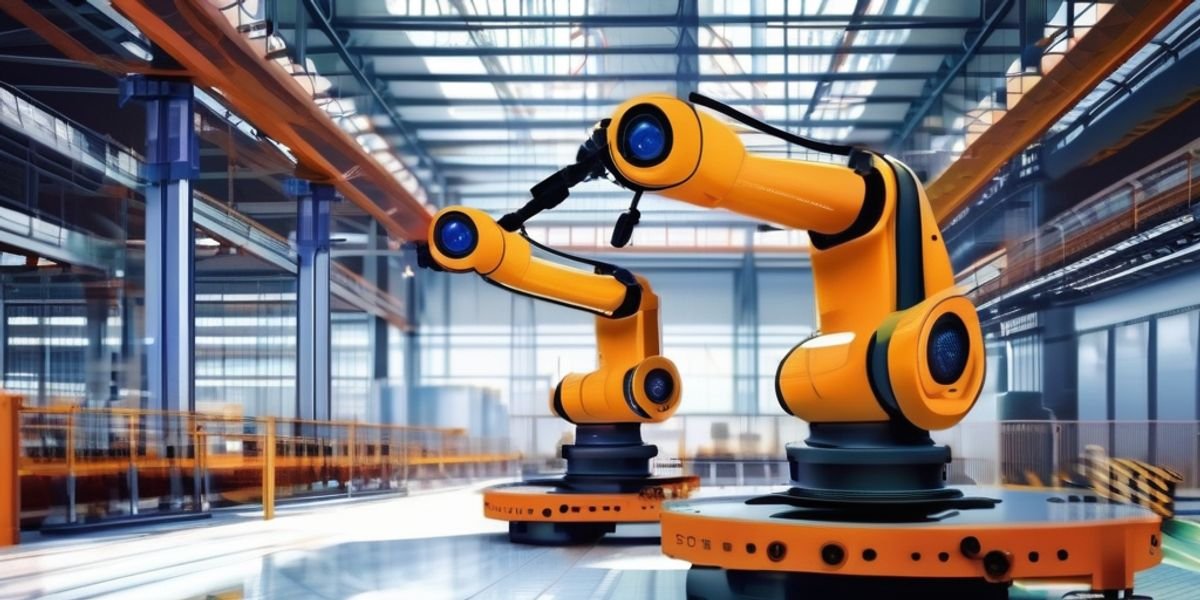
Learning and Decision-Making in AI Systems
The evolution of AI systems has ushered in a new era of autonomous decision-making, where machines are not just passive recipients of instructions but active learners and decision-makers. The sophistication of machine learning and deep learning algorithms enables AI to analyze data, predict outcomes, and make informed decisions. This transformative capability is not only enhancing operational efficiency but also redefining the boundaries of what machines can achieve.
The continuous improvement of AI systems through learning from data equips businesses with the foresight to make strategic decisions, ensuring they remain agile and responsive in a rapidly evolving digital landscape.
The table below illustrates the diverse ways AI algorithms can analyze data to execute tasks and make decisions:
| Task Execution | Decision-Making | Predictive Analysis |
|---|---|---|
| Sales process automation | Ethical considerations in healthcare | Outcome predictions |
| Personalized education | Oversight in criminal justice | Operational efficiency |
| Adaptive learning systems | Human intervention mechanisms | Customer experience |
As AI systems grow more autonomous, the question of human oversight becomes paramount. It is essential to embed human values within AI systems and maintain a mechanism for human accountability. This ensures that as AI takes on more complex tasks, it does so with a framework that prioritizes ethical decision-making and societal well-being.
Handling Complex Tasks with AI Flexibility
AI technology is redefining the approach to complex, unstructured tasks that traditional automation systems struggle to manage. AI-powered systems excel in environments where rules are not well-defined, adapting and learning from data to make intelligent decisions. This adaptability is crucial for businesses that face unpredictable challenges and require responsive automation solutions.
AI’s flexibility is not just about handling complexity; it’s about evolving with the business needs, ensuring that automation scales with demand and integrates seamlessly with existing workflows.
The structural flexibility of AI extends beyond technical capabilities. It fosters a multidisciplinary collaboration, bringing together data scientists, engineers, business product owners, and IT professionals to develop and deploy successful AI use-cases. This unified approach is pivotal in harnessing AI’s full potential.
- Scalability: AI systems can be scaled to accommodate fluctuating workloads.
- Learning: Unlike static models, AI learns and improves over time.
- Decision-Making: AI makes autonomous decisions based on real-time data.
- Integration: AI integrates with existing systems, enhancing overall efficiency.
AI’s relentless operation—free from the constraints of fatigue or the need for breaks—ensures consistent performance and productivity. It supports human teams by taking over repetitive tasks, allowing them to focus on strategic and creative work that requires a human touch.
Responsive Automation for Dynamic Business Environments
In the realm of dynamic business environments, responsive automation stands as a cornerstone of modern AI technology. The ability of AI systems to adapt to changing conditions and handle complex, unstructured tasks is paramount. This flexibility is not just a feature but a necessity for businesses that operate in fast-paced and ever-evolving markets.
AI Chat and AI Text automation tools are at the forefront of this revolution, offering solutions that can interpret and act upon a wide array of data inputs with unprecedented speed and accuracy. These tools are designed to tackle challenges such as data privacy, bias in algorithms, and integration with existing systems, ensuring a seamless transition to smarter workflows.
The following list highlights the key benefits of responsive AI automation:
- Adaptability: AI systems can learn and adjust to new patterns in real-time, ensuring continuous process improvement.
- Scalability: As business demands grow, AI automation can scale accordingly, without the need for extensive reconfiguration.
- Efficiency: By automating complex tasks, AI reduces the need for manual intervention, thus saving time and resources.
In conclusion, the integration of AI Chat and AI Text into business automation is not just enhancing current processes but is also paving the way for new capabilities that were once considered unattainable. The future of business lies in the hands of those who embrace these intelligent systems, turning challenges into opportunities for growth and innovation.
Sector-Specific Transformations: How AI Automation is Reshaping Industries
Accelerating Progress with Machine Learning
In the realm of software development, AI is redefining the pace of innovation. By automating routine coding tasks, AI tools are not only speeding up development cycles but also enhancing the quality of code. Machine learning models are particularly adept at predicting potential software defects, which allows for preemptive action to maintain robustness in software applications.
- Automated code generation tools expedite the development process.
- Intelligent project management tools foster better collaboration.
- Workflow automation is streamlined, optimizing resource allocation.
The continuous improvement in machine learning algorithms means that their ability to process and learn from data is ever-evolving. This results in increasingly accurate predictions and more efficient problem-solving over time.
Despite the significant advancements, many businesses have yet to fully grasp the potential of machine learning. As industry giants like Apple, Tesla, and Amazon push the boundaries, it’s crucial for other businesses to explore how AI can be integrated into their operations to unlock new opportunities for growth and innovation.
Revolutionizing Interactions and Operations
The integration of AI into business operations is not just about automating tasks; it’s about transforming the very nature of interactions and operations within industries. AI-driven systems are enabling companies to transcend traditional limitations, offering unprecedented levels of efficiency and scalability.
- Fraud Detection: AI’s real-time analysis capabilities are pivotal in identifying and preventing fraudulent activities, safeguarding both the company’s assets and customer trust.
- Algorithmic Trading: By optimizing investment strategies, AI contributes to making split-second, high-return decisions.
- Automated Customer Service: AI-driven chatbots and virtual assistants are revolutionizing customer service, providing 24/7 support and personalized interactions.
- Logistics: AI is streamlining logistics operations, enhancing efficiency, and reducing overhead costs.
The adoption of AI business solutions allows for the automation and optimization of various operational processes, which were once bottlenecked by manual procedures and human limitations. This shift not only enhances efficiency but also fosters a culture of continuous improvement and innovation.
The evolution of industry operations through AI is a testament to the technology’s ability to handle complex tasks with flexibility and precision. As businesses continue to embrace AI, they are finding new ways to revolutionize their interactions and operations, ensuring they remain competitive in a rapidly changing market.
Continuous Improvement in the Age of AI
In the realm of AI automation, the concept of continuous improvement is not just an ideal; it’s a tangible reality. AI Image recognition and analysis, for instance, have seen remarkable enhancements, evolving from simple pattern detection to complex scene understanding. This progression exemplifies the iterative nature of AI systems, which learn and improve over time.
- AI Image recognition accuracy improvements
- Reduction in false positives and negatives
- Enhanced ability to interpret context and nuances
The integration of AI into business operations has led to a virtuous cycle of feedback and refinement. As AI systems process more data, they become more adept at recognizing patterns and predicting outcomes, leading to smarter business decisions and more efficient workflows.
The relentless pursuit of perfection is embedded in the DNA of AI. With each iteration, AI systems grow more sophisticated, carving a path toward unprecedented levels of efficiency and innovation.
The journey towards continuous improvement in AI is marked by milestones that reflect the growing sophistication of technology. As businesses harness the power of AI, they unlock new possibilities for growth and success in an ever-evolving marketplace.
Conclusion
The advent of AI technology in smart automation heralds a transformative era for modern industries, offering unprecedented levels of efficiency, productivity, and innovation. As we have seen, industries ranging from manufacturing to healthcare and finance are already reaping the benefits of AI-driven process automation. Companies like IT Cart are at the forefront, enabling businesses to unlock their full potential by leveraging AI’s capabilities. The integration of AI into business processes not only streamlines operations but also fosters a culture of continuous improvement and strategic innovation. The future is indeed promising, and the time to embrace AI technology is now. By doing so, organizations can secure a competitive edge in the rapidly evolving market landscape, ensuring sustainable growth and success in the digital age.
Frequently Asked Questions
How is AI transforming process automation in industries?
AI is transforming process automation by introducing Robotic Process Automation (RPA) and intelligent algorithms that streamline operations, enhance productivity, and accelerate operational speed. This shift allows businesses to delegate mundane tasks to AI systems, freeing up human resources for more strategic work.
What are the benefits of integrating AI into business analytics?
Integrating AI into business analytics helps in streamlining processes, reducing human error, and enhancing decision-making precision. AI-powered solutions provide valuable insights that aid in strategic resource allocation and foster innovation.
How does AI provide a competitive edge in modern business strategies?
AI provides a competitive edge by optimizing efficiency, navigating the changing industrial landscape, and unlocking new productivity horizons. It enables businesses to adapt to market changes swiftly and maintain their competitive advantage.
What makes AI automation adaptive compared to traditional models?
AI automation is adaptive because it can learn from data, adapt to changing conditions, and make autonomous decisions. Unlike traditional automation that follows predefined rules, AI systems are capable of handling complex tasks and responding dynamically to business environments.
In what ways is AI automation reshaping specific industry sectors?
AI automation is reshaping industry sectors by accelerating progress with machine learning, revolutionizing interactions and operations, and encouraging continuous improvement. It enables industries to achieve unprecedented levels of efficiency, productivity, and innovation.
What role does AI play in the future of work and operational speed?
AI plays a pivotal role in the future of work by driving AI-driven operational speed and efficiency. It automates routine tasks, allowing employees to focus on more complex and creative projects, thus shaping a more agile and innovative workforce.