
As we stand on the brink of a technological revolution, Artificial Intelligence (AI) is at the forefront, driving the evolution of smart automation. AI technology is not just changing the way we think about automation; it’s setting the stage for a future where intelligent systems seamlessly integrate into every aspect of business operations. From enhancing decision-making to reshaping the workforce, AI-powered automation is poised to redefine efficiency, productivity, and innovation in ways we are just beginning to understand.
Key Takeaways
- AI-driven intelligent automation is transforming business efficiency and decision-making.
- Smart bots, powered by AI, are revolutionizing customer service and operational tasks.
- The future of automation will bring a paradigm shift in job roles, necessitating a culture of continuous learning.
- AI automation offers significant cost savings by optimizing productivity and resource allocation.
- The transition from basic Robotic Process Automation (RPA) to intelligent automation requires strategic workforce upskilling and process adaptation.
The True Value of Intelligent Automation
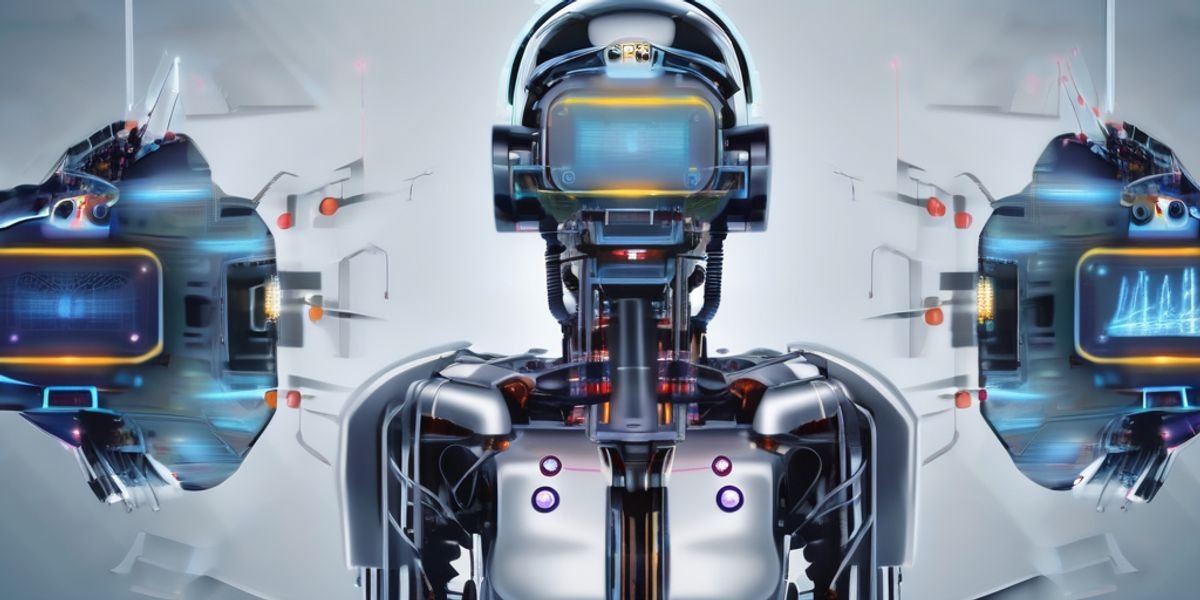
Enhanced Decision-Making with AI Insights
The integration of AI Technology into business operations has revolutionized the way decisions are made. AI Text and AI Image analysis tools have become pivotal in interpreting complex data, offering insights that are not immediately apparent to human analysts. This capability is not just about speed; it’s about the depth and breadth of analysis that AI can provide.
- Transparency in AI decision-making processes is crucial for user trust.
- Accountability must be established to address the outcomes of AI decisions.
AI’s analytical prowess is a game-changer for businesses, enabling them to make decisions that are both rapid and well-informed. This dual advantage is critical in maintaining a competitive edge in today’s fast-paced market.
The table below illustrates the impact of AI on decision-making efficiency:
| Metric | Before AI | With AI |
|---|---|---|
| Speed of Analysis | Slow | Fast |
| Data Processed | Limited | Vast |
| Error Rate | Higher | Lower |
| Decision Confidence | Variable | High |
By leveraging AI Technology, companies are not only enhancing their decision-making processes but are also setting a new standard for operational efficiency and strategic foresight.
Operational Efficiency and Accuracy
In the realm of smart automation, operational efficiency and accuracy are paramount. AI technology plays a crucial role in enhancing these aspects by automating tasks that are repetitive and prone to human error. This not only speeds up the workflow but also ensures a higher standard of precision in the outcomes.
- AI-driven systems can process and analyze data at an unprecedented scale, leading to more accurate forecasting and inventory management.
- Automated scheduling and resource allocation minimize downtime and optimize the use of assets.
- Real-time monitoring and predictive maintenance prevent costly breakdowns and enhance the longevity of equipment.
The integration of AI into operational processes is not just about replacing human effort; it’s about augmenting human capabilities and enabling businesses to operate at their peak potential.
Companies that have embraced AI-driven automation report significant improvements. For instance, Visionary Enterprises Inc. observed a 20% increase in customer satisfaction and a 15% decrease in error rates, showcasing the tangible benefits of intelligent automation. Such advancements underscore the importance of AI in establishing a competitive edge in today’s fast-paced business environment.
Adapting to Dynamic Business Environments
In the face of ever-changing market demands, intelligent automation emerges as a key enabler for businesses to remain agile and responsive. The ability to swiftly adapt to new trends, regulatory changes, and consumer preferences is no longer a luxury but a necessity for survival and growth. Intelligent automation systems can analyze vast amounts of data, recognize patterns, and suggest actionable insights, allowing companies to pivot strategies with confidence and speed.
The integration of AI into business processes is not just about efficiency; it’s about equipping organizations with the foresight to anticipate changes and the agility to act upon them swiftly.
To harness the full potential of intelligent automation in dynamic business environments, companies should consider the following steps:
- Identify key areas where automation can have the most significant impact.
- Invest in scalable solutions that can grow and evolve with the business.
- Foster a culture of continuous learning to keep pace with technological advancements.
- Develop robust data analytics capabilities to inform decision-making.
- Ensure cross-functional collaboration to integrate automation seamlessly into all aspects of operations.
Building Smarter Bots
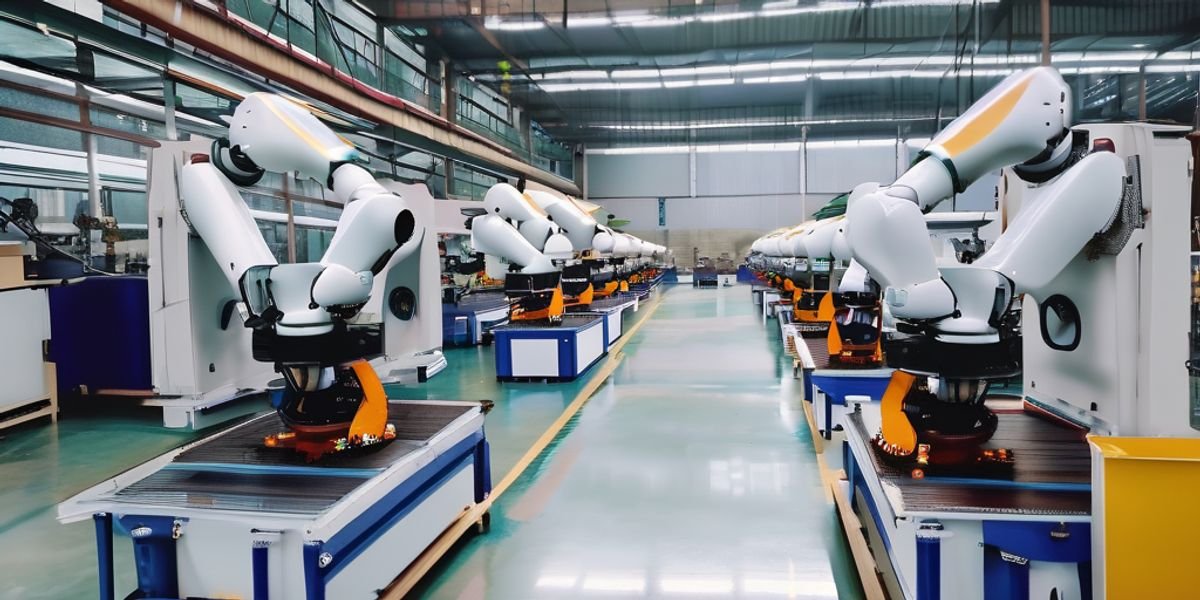
The Evolution of Chatbots in Customer Service. Smart Automation
The advent of AI Chat technology has revolutionized the way businesses interact with their customers. AI chatbots have become an indispensable tool in providing efficient and round-the-clock customer service. These sophisticated bots are designed to understand and respond to customer inquiries with increasing accuracy, thanks to their ability to learn from each interaction.
- AI chatbots offer instant assistance, reducing wait times and improving customer satisfaction.
- They are capable of handling a vast array of inquiries, from simple FAQs to more complex issues.
- Continuous learning allows these bots to enhance their problem-solving capabilities over time.
The integration of AI has elevated chatbots from mere scripted responders to dynamic agents of customer engagement, capable of delivering personalized experiences.
The table below highlights the transformative impact of AI chatbots on customer service efficiency:
| Metric | Before AI Chatbots | After AI Chatbots |
|---|---|---|
| Response Time | Up to several hours | Instantaneous |
| Availability | Business hours | 24/7 |
| Customer Satisfaction | Variable | Significantly Improved |
As AI chatbots evolve, they not only streamline customer interactions but also redefine the scope of customer service, paving the way for a more responsive and intelligent future in customer engagement.
AI-Driven Bots: Beyond Repetitive Tasks
The advent of AI-driven bots signifies a transformative leap in the realm of automation. These bots are not confined to monotonous tasks; they are equipped to tackle complex challenges and make autonomous decisions. With the integration of machine learning and natural language processing, these bots can interpret intricate queries and adapt to evolving business needs, thereby extending their utility across diverse corporate functions.
AI-driven bots are redefining the scope of automation by offering solutions that are both nuanced and adaptable. They are capable of analyzing data, learning from interactions, and making informed decisions, which propels businesses towards greater efficiency and innovation. The table below highlights the expected benefits of intelligent automation:
| Benefit | Description |
|---|---|
| Enhanced Decision-Making | Bots can process and analyze large datasets to support informed decisions. |
| Operational Adaptability | They adjust to new scenarios, ensuring continuous process optimization. |
| Innovation Acceleration | Intelligent bots contribute to the development of new business strategies and services. |
The integration of AI into bots transcends the traditional boundaries of automation, fostering an environment where continuous improvement and strategic innovation become the norm.
As we witness the evolution of these bots, it’s clear that they are pivotal in driving the future of smart automation. Their ability to learn and adapt not only streamlines work processes but also opens up new avenues for cost savings and operational excellence.
The Role of Data Analysis in Bot Intelligence
The sophistication of AI-driven bots is largely attributed to their ability to dissect and interpret vast datasets. Data analysis is the cornerstone of bot intelligence, enabling these digital assistants to deliver personalized experiences and make predictive suggestions. By analyzing customer interactions, bots can identify trends and preferences, which in turn informs their responses and recommendations.
- Customer Preferences: Identification and adaptation to user needs
- Interaction Patterns: Analysis of conversation flows for optimization
- Predictive Analytics: Anticipating user requests and providing timely solutions
The integration of advanced data analysis techniques with bot technology is not just an enhancement; it’s a transformative shift that propels bots from simple scripted responders to dynamic conversational partners.
The real-time processing of data allows bots to operate with a level of autonomy previously unattainable. This not only improves the customer experience but also frees up human resources to focus on more complex tasks. As bots continue to evolve, their role in data analysis becomes increasingly integral, shaping the way businesses interact with their customers and manage internal processes.
Decoding the Future of Automation
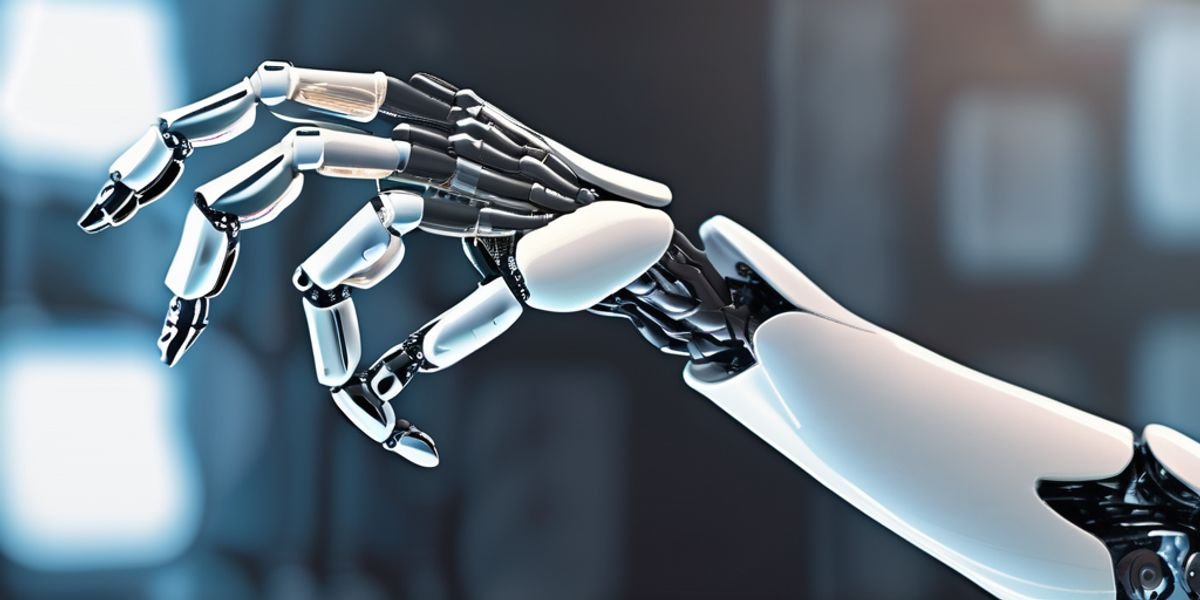
Shifting Job Roles and Workforce Dynamics.Smart Automation.
The advent of smart automation heralds a transformative era for job roles and workforce dynamics. Organizations must navigate this transition by fostering a culture of continuous learning and adaptation. As some traditional positions become obsolete, new roles centered around AI and automation emerge, necessitating a workforce that is agile and technologically proficient.
- Upskilling and reskilling initiatives are crucial for employees to remain relevant.
- Redefining job descriptions to include automation proficiency as a core competency.
- Encouraging a mindset shift towards embracing technological advancements.
The synergy between human creativity and machine efficiency can unlock unprecedented levels of productivity and innovation.
The table below illustrates the anticipated changes in workforce requirements:
| Skill Set | Current Demand | Future Demand |
|---|---|---|
| Data Analysis | High | Higher |
| AI Management | Moderate | High |
| Automation Integration | Low | High |
As we decode the future of automation, it is clear that the workforce must evolve in tandem with technological progress. Strategic workforce training and a redefined approach to resource allocation are essential to harness the full potential of AI-driven automation.
Cultivating a Culture of Learning and Innovation
In the rapidly evolving landscape of smart automation, cultivating a culture of learning and innovation is not just beneficial; it’s essential for future-proofing businesses. As job roles shift in response to automation, organizations that prioritize upskilling and continuous education will thrive. This commitment to growth ensures that employees are not only prepared for the changes brought by AI but can also contribute to the innovative processes that drive automation forward.
Embracing automation as a partner in progress allows for the unlocking of new levels of productivity and efficiency. It is this synergy between human ingenuity and machine precision that will chart the course for future success.
To effectively cultivate this culture, consider the following steps:
- Transparency in AI decision-making to foster trust and understanding.
- Accountability policies to clarify responsibilities in the AI ecosystem.
- Encouraging continuous improvement to keep pace with technological advancements.
- Redefining job roles to maximize human-machine collaboration.
By integrating these principles, organizations can navigate the complexities of automation with confidence, ensuring that their workforce is not just ready but excited for the opportunities that lie ahead.
Human-Machine Collaboration for Future Success
The synergy between human intellect and robotic precision is a cornerstone of the next industrial revolution. Organizations that harness this partnership will lead the charge in innovation and competitiveness. The future of work hinges on the seamless integration of human creativity with machine efficiency, creating a dynamic where each complements the other’s strengths.
- Embracing human-robot collaboration enhances problem-solving capabilities.
- It fosters a workplace environment that values both technical skills and human insight.
- This collaboration leads to the development of more sophisticated and responsive automation systems.
The key to future success lies not in choosing between human or machine, but in leveraging the strengths of both to achieve goals that were once considered unattainable. Cultivating a culture that promotes this symbiosis is essential for any organization looking to thrive in an era of smart automation.
Cost-Saving Through AI Automation
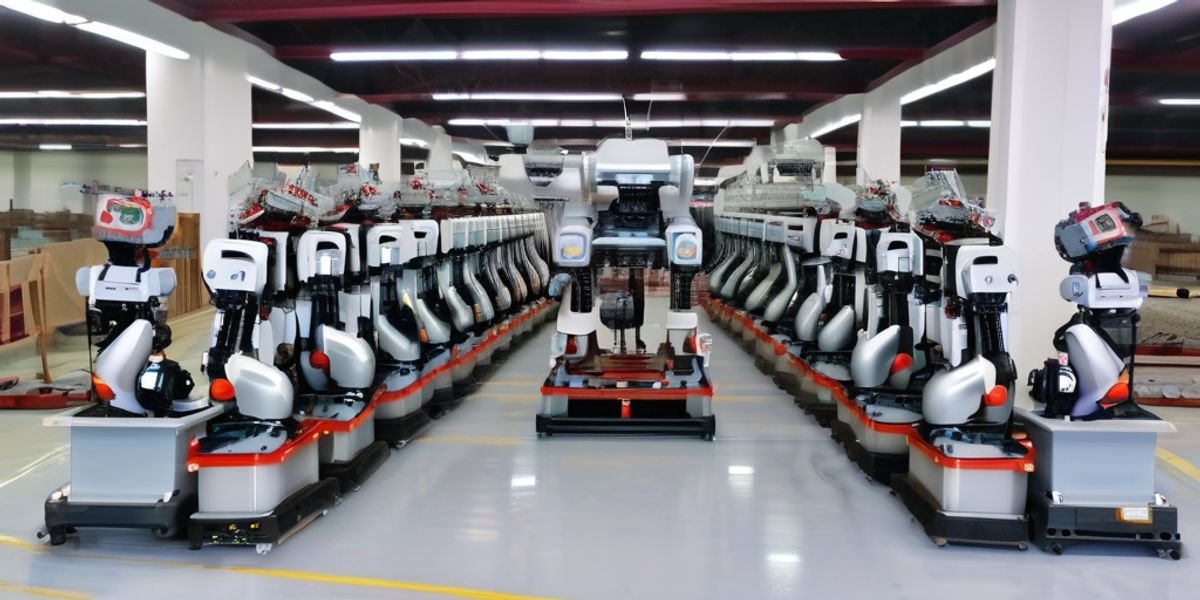
Enhancing Productivity Across Industries
The integration of AI into automation is a game-changer for productivity across various industries. AI-driven tools are pivotal in streamlining operations, leading to a substantial increase in output and efficiency. By automating routine tasks, AI enables employees to focus on more complex and creative work, thereby enhancing the overall productivity of the workforce.
- AI-driven analytics identify patterns and optimize processes.
- Automation of mundane tasks frees up employee time for innovation.
- Continuous improvement cycles are powered by AI insights.
The synergy between AI and human creativity is the cornerstone of the next productivity leap in industry. Embracing this partnership is essential for businesses aiming to thrive in an increasingly competitive landscape.
The transition to AI automation requires strategic planning and investment. Organizations must consider the long-term benefits of AI integration, which include not only cost savings but also the creation of new opportunities for business growth and innovation. As industries evolve, the role of AI in enhancing productivity becomes ever more critical, setting the stage for a future where smart automation is the norm.
Strategic Workforce Training for Evolving Technologies
As the integration of AI and RPA becomes more prevalent, the need for strategic workforce training becomes imperative. Organizations must invest in upskilling their employees to harness the full potential of intelligent automation. This not only involves technical skills but also a mindset ready to embrace and adapt to the rapid changes in the workplace.
- Upskilling initiatives should focus on data analytics, machine learning, and process management.
- Employees must be trained to collaborate effectively with AI systems and robots.
- A shift towards a culture of continuous learning is essential to keep pace with technological advancements.
By fostering a culture of perpetual learning and innovation, businesses can future-proof their operations and ensure that their workforce is equipped to handle the challenges and opportunities presented by automation.
The transformation of the workforce through strategic training will lead to the creation of new roles that are symbiotic with AI and automation technologies. This evolution is not just about replacing old jobs but about creating new opportunities that maximize human potential and machine efficiency.
Redefining Resource Allocation with AI
The integration of AI into resource allocation marks a transformative shift in how businesses manage their assets and workforce. AI-driven systems enable a more dynamic and strategic approach to resource distribution, ensuring that the right resources are available at the right time, and in the right place. This not only maximizes efficiency but also significantly reduces waste.
By leveraging predictive analytics, AI can forecast demand and adjust resource allocation proactively. This foresight allows for a more agile response to market changes, giving companies a competitive edge.
AI’s impact on resource allocation is not limited to predictive capabilities. It also includes the optimization of human resources. AI tools can assess employee skills and performance data to inform workforce planning, leading to a more effective and satisfied workforce. The following list outlines the key benefits of AI in resource allocation:
- Enhanced forecasting and demand planning
- Real-time adjustments to resource distribution
- Optimized workforce management
- Reduced operational costs through efficient use of assets
- Improved strategic planning with data-driven insights
As AI continues to evolve, its role in resource allocation will only grow more significant, paving the way for smarter, more responsive business strategies.
The Journey to Scale: From RPA to Intelligent Automation
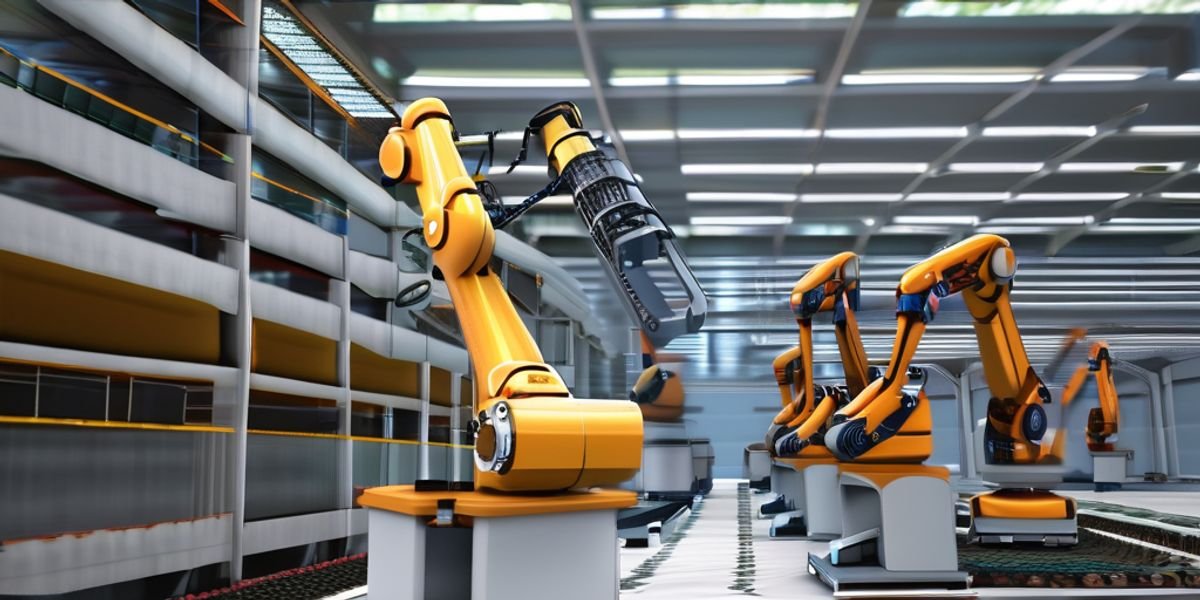
Proactive Adaptation in the Automation Revolution
As the automation revolution unfolds, organizations are recognizing the imperative to proactively adapt to the transformative changes it brings. This adaptation is not just about adopting new technologies, but also about preparing the workforce for the evolving job landscape.
- Cultivating a culture of continuous learning and innovation is crucial.
- Redefining job roles to leverage human-machine collaboration maximizes potential.
- Upskilling employees ensures they are equipped to work alongside advanced automation systems.
The time to embrace the future of automation is now. Organizations that act early can secure a competitive edge, as evidenced by Industry Leader Corp., which saw a 30% increase in operational efficiency and a 25% reduction in processing time.
The table below highlights the positive returns of early adopters of intelligent automation:
| Company | Efficiency Increase | Processing Time Decrease |
|---|---|---|
| Industry Leader Corp. | 30% | 25% |
To stay competitive and thrive, it is essential for businesses to understand and integrate strategic automation into their operations. The journey towards intelligent automation is not just a technological upgrade but a strategic move towards a more resilient and future-ready business model.
Upskilling for Effective Human-Automation Collaboration
In the transformative landscape of smart automation, upskilling the workforce is pivotal for fostering effective human-automation collaboration. As automation technologies evolve, the skill sets required to work alongside these intelligent systems must also advance. Organizations are recognizing the necessity of investing in continuous learning programs to ensure their employees are equipped with the knowledge and tools to maximize the potential of AI-driven automation.
- Understanding AI and Machine Learning: Employees need a foundational understanding of how AI works.
- Technical Proficiency: Gaining skills in data analysis, coding, and system management.
- Soft Skills: Developing problem-solving, critical thinking, and adaptability.
The synergy between upskilled employees and advanced automation systems can lead to unprecedented levels of efficiency and innovation, driving the future of smart automation forward.
The journey towards intelligent automation is not just about technology; it’s about people. By creating a culture that values upskilling, organizations can ensure that their workforce remains competitive and ready to leverage the benefits of AI and robotics. This human-centric approach to automation is the cornerstone of a successful digital transformation.
Streamlining Work Processes for Future Readiness
In the era of smart automation, streamlining work processes is pivotal for future readiness. AI-powered tools are redefining operations by automating routine tasks, allowing employees to concentrate on strategic initiatives. For instance, summarizing emails and managing automated task lists from ticketing systems are just the beginning of this transformation.
The integration of AI into work processes is not just about efficiency; it’s about creating a foundation for continuous innovation and growth.
Challenges such as fragmented processes and workforce readiness must be addressed to harness the full potential of intelligent automation. Upskilling employees and ensuring high-quality data are essential steps in this journey. Here are some key considerations for organizations:
- Comprehensive understanding and reengineering of existing processes.
- Strategic workforce training to bridge the skills gap.
- Ensuring data quality and accessibility for effective automation.
By proactively adapting to automation, organizations can achieve unprecedented levels of productivity and innovation, securing their place in the future of work.
Embracing the Future: The Convergence of AI and Automation
As we stand on the cusp of a transformative era, the convergence of AI and smart automation is set to redefine the landscape of business and work. Intelligent automation emerges as a beacon of efficiency, innovation, and competitive advantage, promising enhanced decision-making, operational precision, and adaptability. The future beckons organizations to embrace a culture of continuous learning and strategic workforce development to harness the full potential of AI-driven automation. By fostering human-machine collaboration, we can unlock unprecedented levels of productivity and creativity, ensuring that businesses not only survive but thrive in the dynamic and automated world of tomorrow.
Frequently Asked Questions
What is intelligent automation, and how does it benefit businesses?
Intelligent automation combines Artificial Intelligence (AI) with Robotic Process Automation (RPA) to create systems that can perform complex tasks, make decisions, and adapt to changing environments. Key benefits for businesses include enhanced decision-making, improved operational efficiency and accuracy, and the ability to seamlessly adapt to dynamic business environments.
How is AI transforming customer service through chatbots?
AI is transforming customer service by powering chatbots that can handle complex interactions, provide immediate assistance, analyze data, and offer personalized experiences. This not only improves customer satisfaction but also streamlines customer interactions and reduces manual errors.
What impact will automation have on the future workforce?
Automation is expected to shift job roles and workforce dynamics significantly. Traditional roles may evolve or diminish, while new roles that focus on automation and data analytics will emerge. This will require a workforce that is adaptable and skilled in new technologies.
How can organizations prepare for the evolving workplace due to automation?
Organizations can prepare by fostering a culture of learning and innovation, strategically redefining job roles for human-machine collaboration, and upskilling employees to work effectively with automation technologies. This proactive adaptation is crucial for businesses to thrive in the automated landscape.
What are the cost-saving implications of AI-driven automation?
AI-driven automation can lead to significant cost savings by enhancing productivity, reducing the need for manual labor, and improving resource allocation. It streamlines operations and workflow, leading to more efficient and cost-effective business processes.
What does the journey from RPA to intelligent automation entail?
The journey from RPA to intelligent automation involves integrating AI to enhance the capabilities of RPA, resulting in systems that can make decisions, learn from data, and adapt to new situations. This transition requires organizations to focus on workforce training and process streamlining to ensure future readiness.