
As we stand on the brink of a new era in digital artistry, AI image creation is transforming the landscape of visual media. With each passing year, artificial intelligence becomes more adept at producing images that not only captivate the imagination but also challenge our understanding of creativity. This article delves into the remarkable evolution of AI-driven art, the burgeoning canvas it offers for human expression, its transformative effects on various industries, and the technological marvels that make it all possible. As we navigate the future of AI picture-making, we must consider the ethical implications, strive for unbiased algorithms, and embrace the tools that will shape this exciting domain.
Key Takeaways
- AI image generation technology has evolved from producing basic, unrealistic images to creating photorealistic and highly imaginative visuals at an accelerated pace.
- The fusion of AI and human creativity is birthing new forms of art, with user-friendly tools democratizing the process and enabling customization through descriptive input.
- Industries such as stock photography, marketing, gaming, and film are undergoing a revolution, with AI-generated visuals promising to redefine traditional roles and content.
- Technological breakthroughs, exemplified by systems like DALL-E 2 and Stable Diffusion, are pushing the boundaries of what can be visualized from mere text descriptions.
- The future of AI image creation hinges on addressing ethical challenges, mitigating biases, and enhancing the sensibility and originality of AI-generated content.
The Evolution of AI-Driven Artistry
From Fuzzy Blotches to Photorealistic AI Image Creation
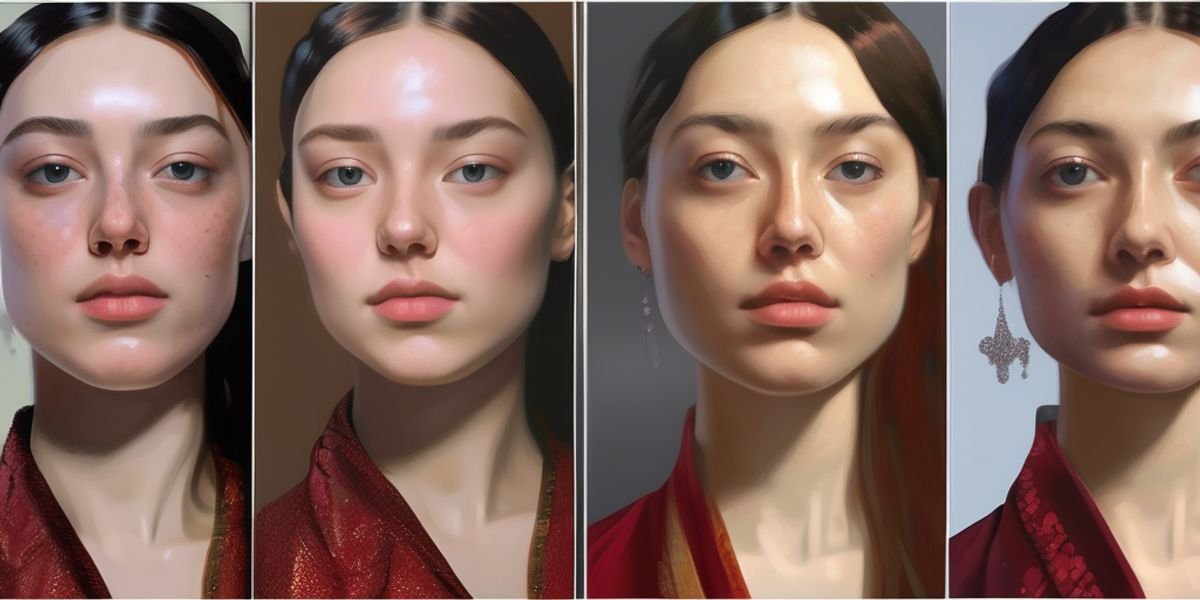
The journey of AI in image creation is a tale of rapid transformation. Early AI-generated images were mere fuzzy blotches, a far cry from the intricate and lifelike visuals we see today. The progression from these primitive shapes to the photorealistic images now produced by AI has been nothing short of remarkable.
The advancements in AI image generation have not only enhanced the quality but also the speed of creation. What once took hours can now be achieved in mere minutes, thanks to the latest technological leaps.
Here’s a glimpse into the evolution of AI-generated imagery over the years:
- 2010s: Basic shapes and colors, lacking detail and realism.
- Early 2020s: Improved textures and forms, but still easily distinguishable from human-created art.
- 2024: A 3X speed boost in AI capabilities, leading to high-fidelity and nuanced images.
These milestones underscore the relentless pace of innovation in AI artistry. As we continue to witness the blurring of lines between AI-generated and human-created images, the potential for AI in creative domains becomes increasingly boundless.
The Role of Algorithms like Stable Diffusion
The advent of algorithms such as Stable Diffusion has marked a significant milestone in the realm of AI-driven image creation. Stable Diffusion, in particular, has been a game-changer, enabling the transformation of textual descriptions into vivid, high-resolution images with astonishing speed and accuracy. The technical prowess of these algorithms lies in their architecture and the innovative use of deep learning techniques.
By leveraging a multi-stage process, algorithms like Stable Diffusion optimize the balance between computational efficiency and image quality. This approach not only enhances the fidelity of the generated images but also significantly reduces the time required to produce them.
Stable Diffusion’s evolution has led to the development of Stable Cascade, a more advanced model that boasts improved performance. Here’s a brief overview of how Stable Cascade operates:
- Stage C: Compresses the text prompt into a latent code.
- Stage A: Decodes the latent code into a low-resolution image.
- Stage B: Refines the low-resolution image into a high-resolution one.
This structured approach has slashed image generation times, with Stability AI reporting a reduction from 22 seconds to approximately 10 seconds for their latest models. Such advancements are not just technical feats; they empower artists and creators to iterate and visualize their ideas more rapidly than ever before.
Accelerating Creativity: The 3X Speed Boost in 2024
The year 2024 marked a significant milestone in the realm of AI-driven image creation, with a threefold increase in processing speed that has revolutionized the field. This leap forward has not only made AI artistry more efficient but has also opened up new possibilities for creators who can now iterate and experiment at an unprecedented pace.
- Enhanced processing capabilities have reduced the time required to generate complex images.
- Artists and designers can now produce higher volumes of work, catering to the growing demand for AI-generated visuals.
- The speed boost has facilitated real-time collaboration between AI and human creators, fostering a more dynamic creative process.
The implications of this advancement extend beyond mere efficiency. It has effectively democratized access to high-quality image generation, enabling both professionals and hobbyists to bring their visions to life with ease.
As we continue to witness the evolution of AI in the arts, the 2024 speed boost stands as a testament to the relentless pursuit of innovation that drives this industry forward. The future of AI image creation looks brighter than ever, promising a landscape where the barriers to entry are lowered, and the only limit is one’s imagination.
AI Image Generation: A New Canvas for Creativity
The Intersection of AI and Human Imagination
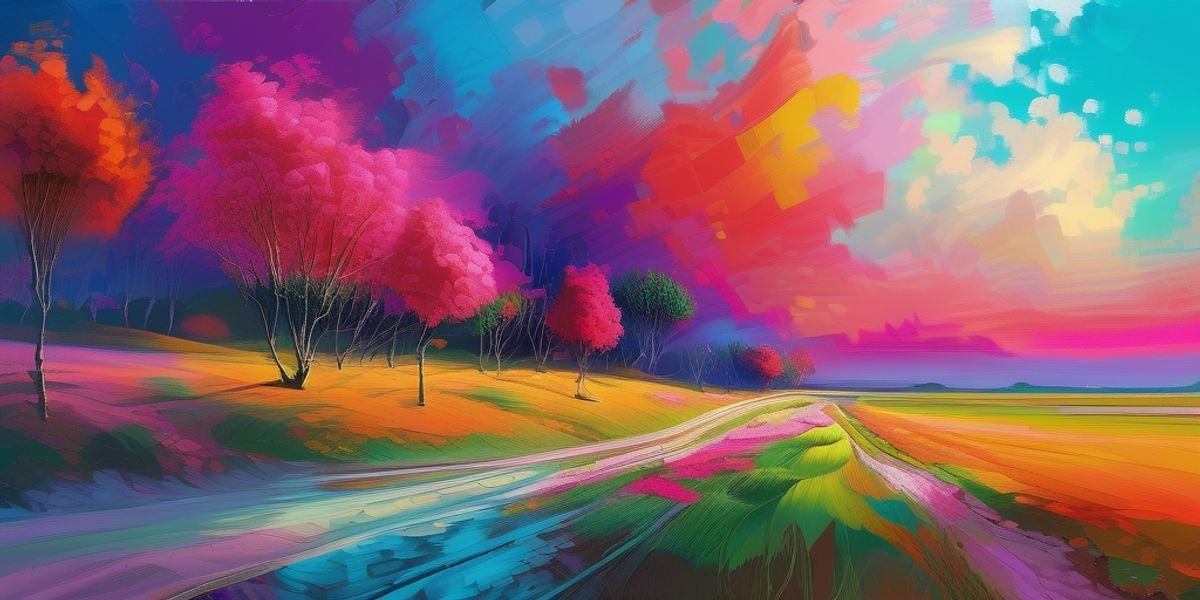
The fusion of AI and human creativity is forging a new frontier in the arts. AI image generation tools are not just mimicking human artistry; they are expanding the canvas of creative possibility. By leveraging the power of algorithms, artists and designers are now able to transcend traditional boundaries and explore realms previously unattainable.
The synergy between AI’s computational prowess and human creativity is yielding unprecedented forms of visual expression.
AI-driven image creation is not a one-way street; it’s a collaborative process. Here’s how it typically unfolds:
- An artist conceptualizes a visual idea or theme.
- Descriptive input is provided to the AI, which interprets and renders the concept.
- The artist reviews the output, making adjustments or iterations as needed.
- The final artwork is a blend of human intention and AI’s generative capabilities.
This iterative loop allows for a rapid evolution of ideas, where each cycle enhances the artist’s vision with AI’s ability to generate complex patterns and textures. As we continue to explore this symbiotic relationship, the potential for innovation in visual arts seems limitless.
User-Friendly Tools Democratizing Art Creation
The advent of user-friendly AI tools has revolutionized the way we create and interact with art. These platforms have made it possible for anyone with a creative vision to produce stunning visuals, regardless of their technical skills. The barrier to entry for creating art has been significantly lowered, inviting a diverse range of voices and perspectives into the realm of digital creation.
The democratization of art through AI is not just about accessibility; it’s about empowering individuals to express themselves in ways that were once unimaginable.
Here is a quick overview of some of the most accessible tools for AI-driven image generation:
- DeepArt: Transforms photos into artwork resembling the styles of famous painters.
- GANPaint Studio: Allows users to modify images by adding or removing elements.
- DALL-E: Generates images from textual descriptions, bringing verbal ideas to visual life.
- RunwayML: Offers a playful interface for creating unique images with advanced algorithms.
- Artbreeder: Enables the blending of images to create new, hybrid visuals.
- DeepDream: Produces surreal, artistic alterations of existing photographs.
- Pix2Pix: Converts sketches into photorealistic images.
- StyleGAN: Creates hyper-realistic faces and scenes.
- TensorFlow’s Magenta: Google’s project for generating art, music, and images using AI.
These tools not only facilitate the creation of art but also inspire new forms of expression and storytelling. As AI continues to evolve, we can expect these applications to become even more intuitive, further blurring the lines between human and machine creativity.
Customization and Personalization through Descriptive Input
The advent of AI-driven image creation tools has ushered in an era where customization and personalization are at the forefront of digital artistry. Users can now articulate their visions through descriptive input, transforming AI Chat and AI Text into visually compelling AI Images with unprecedented ease.
- Input Generation: Users can interact with AI through text or voice, providing detailed descriptions of the imagery they envision.
- Input Analysis: Advanced NLP techniques interpret the user’s intent, ensuring that the generated images align with their expectations.
- Dialogue Management: The AI system maintains an interactive session with the user, refining the visual output based on ongoing feedback.
The synergy between AI and human creativity is not just about generating images; it’s about crafting stories and experiences that resonate on a personal level.
The process is not only intuitive but also highly accessible, democratizing the creation of art. Whether for professional designers or hobbyists, the ability to generate bespoke visuals through simple descriptive inputs is a game-changer. It empowers users to bring their unique ideas to life without the need for extensive artistic skills or technical knowledge.
Transforming Industries with AI-Generated Visuals
Revolutionizing Stock Photography and Marketing
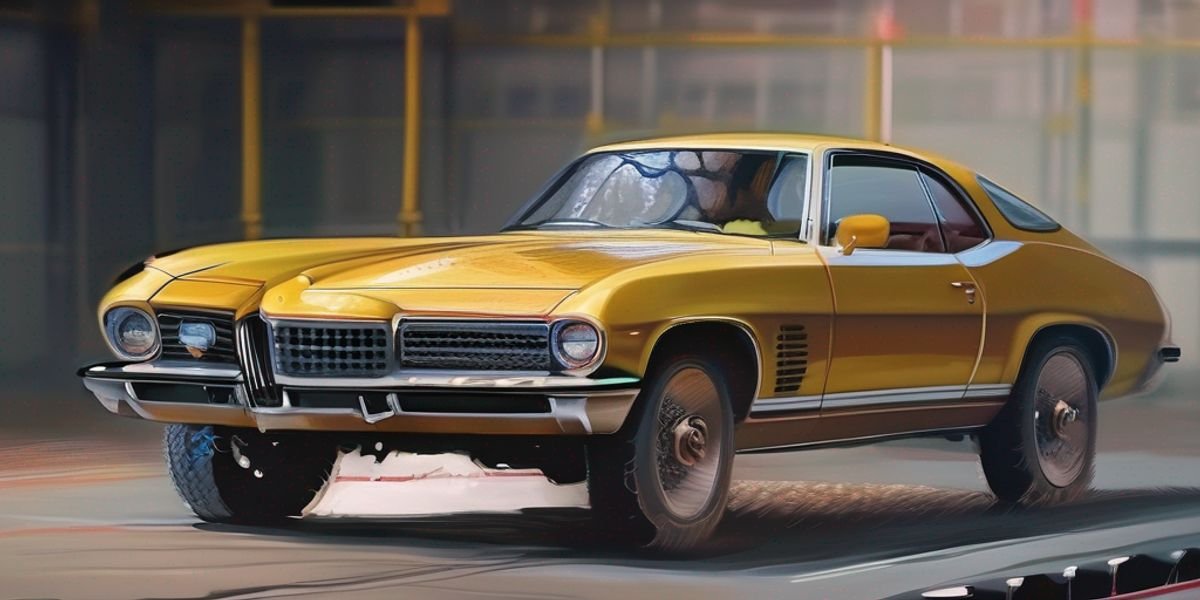
The advent of AI in image creation has ushered in a new era for stock photography and marketing. AI-generated images are now indistinguishable from photographs taken by professional cameras, offering a cost-effective and scalable alternative. This innovation is not only transforming the stock photo industry but also providing marketers with an endless stream of unique visuals for advertising and social media campaigns.
- Stock Photography: AI has drastically reduced the cost and increased the availability of high-quality images.
- Marketing: Brands are leveraging AI to create bespoke images for ads, bypassing traditional photoshoot constraints.
- Entertainment: Films and games are beginning to incorporate AI-generated characters and scenes.
- Art: With AI, anyone can produce art quickly, challenging the status quo of art creation.
- News Media: The rise of AI imagery comes with the risk of deep fakes, necessitating ethical considerations.
The integration of AI into visual content creation is not without challenges. Legal issues, copyright concerns, and the need for ethical guidelines are part of the ongoing discourse. Yet, the potential for AI to democratize art and enhance creative expression remains a compelling narrative.
As we navigate the complexities of AI-generated visuals, it’s clear that the technology is reshaping industries and redefining the boundaries of creativity.
AI’s Role in Entertainment: Gaming and Film
The integration of AI in the entertainment industry has been nothing short of transformative. AI-generated images are now at the forefront of creating immersive experiences in gaming and film, offering unprecedented levels of detail and realism. In video games, AI-driven visuals enable the creation of expansive, dynamic worlds that respond to player actions in real-time. Meanwhile, in the film industry, AI is used to generate lifelike characters and intricate scenes, reducing the need for costly sets and special effects.
The synergy between AI and human creativity is crafting narratives that were once impossible, pushing the boundaries of storytelling and visual artistry.
The following list highlights key applications of AI in entertainment:
- Gaming: Procedurally generated landscapes, character customization, and AI-driven non-player characters (NPCs) that adapt to gameplay.
- Film: Enhanced visual effects (VFX), deepfake technology for de-aging or replacing actors, and AI-assisted editing to streamline post-production.
As AI continues to evolve, its potential to revolutionize entertainment is boundless, promising to deliver experiences that captivate and inspire audiences worldwide.
The Impact on Traditional Art and News Media
The advent of AI in image creation has sparked a revolution in traditional art and news media, challenging the norms and raising critical discussions. Artists now grapple with the implications of AI tools that democratize art creation, potentially disrupting established hierarchies and economies within the art world. News media, on the other hand, faces the daunting task of distinguishing between authentic and AI-generated images, a distinction that is becoming increasingly difficult as the technology advances.
The integration of AI-generated visuals in traditional sectors is not without its controversies. Ethical considerations, copyright issues, and the potential for misuse are at the forefront of these discussions.
The following points highlight the dual impact of AI on these industries:
- Art: AI opens up new avenues for creativity, but also raises questions about originality and the value of human-made art.
- News Media: The risk of ‘deep fakes’ and misinformation grows, necessitating new verification methods to ensure the integrity of visual news.
In the realm of art, emerging techniques offer artists conditional control, steering, and editing capabilities, enhancing the quality and specificity of their creations. For news media, the challenge lies in developing robust mechanisms to combat the spread of fake news, ensuring that the power of visual storytelling is not compromised.
Technological Breakthroughs in AI Image Generation
Innovations from DALL-E 2 to Stable Diffusion
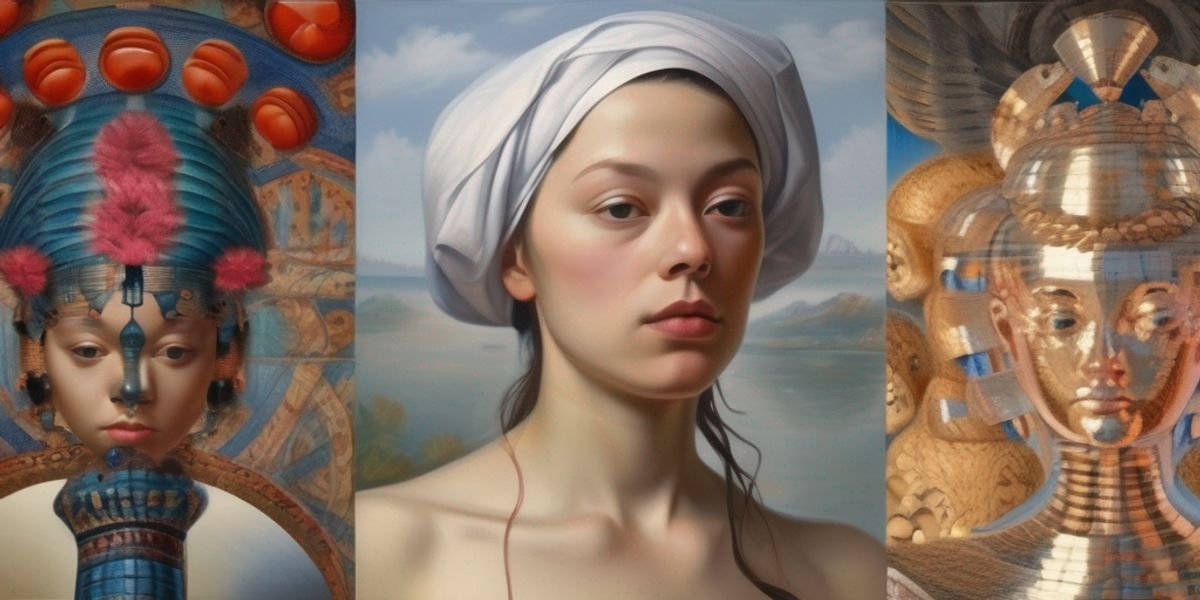
The landscape of AI image generation has been revolutionized by groundbreaking models such as DALL-E 2 and Stable Diffusion. These systems have set new benchmarks in the field, transforming vague text prompts into vivid, high-resolution images with astonishing accuracy. The leap from generating abstract concepts to crafting photorealistic visuals marks a significant milestone in AI-driven artistry.
Stable Diffusion, in particular, represents a paradigm shift with its unique multi-model approach. Utilizing the Würstchen architecture, it comprises three distinct stages: compressing text into a latent code, decoding this code into a low-resolution image, and refining the image to high fidelity. This process not only enhances image quality but also accelerates the generation process, making it a game-changer in 2024.
The ability to turn a simple text description into a complex image that resonates with human creativity is what sets these AI models apart. They are not just tools but collaborators, extending the boundaries of what can be visualized and created.
The following points highlight the key features of Stable Diffusion:
- Stage C: Compresses the text prompt into a latent code.
- Stage A: Decodes the latent code into a low-resolution image.
- Stage B: Refines the image into high-resolution.
This structured approach to image creation has not only improved the visual quality but has also democratized the process, allowing artists and creators to experiment with styles and concepts that were once out of reach.
Applications Across Diverse Visual Domains
The advent of AI image generation technologies has ushered in a new era of visual creativity, with applications spanning a multitude of industries. From gaming to digital fashion, and from product design to marketing, AI-generated visuals are enhancing the way we conceive and visualize ideas. The versatility of these tools is evident in their ability to interpret descriptive input and produce tailored, context-specific imagery.
In the realm of gaming, AI-generated images are not just placeholders but have become integral to the immersive experience, providing endless possibilities for character and environment design. Digital fashion leverages AI to visualize avant-garde clothing before a single thread is woven. Product designers are using AI to rapidly prototype new concepts, and marketers are creating more engaging and personalized content than ever before.
The synergy between AI and human creativity is unlocking unprecedented opportunities for innovation across these domains.
Here’s a glimpse into the diverse applications of AI image generation:
- Gaming: Crafting detailed characters and expansive worlds
- Digital Fashion: Envisioning cutting-edge apparel designs
- Product Design: Prototyping and visualizing new products
- Marketing: Generating dynamic and personalized advertising visuals
As we continue to explore the potential of AI in image creation, it’s clear that the boundaries of what can be visualized are expanding. The algorithms behind these technologies, such as GANs, VAEs, and diffusion models, are the engines driving this visual revolution, transforming fuzzy ideas into clear, tangible images.
The Algorithms Behind the Imagery
The core of AI Technology in image generation lies in the sophisticated algorithms that transform textual descriptions into vivid visuals. The evolution from Generative Adversarial Networks (GANs) to the latest models exemplifies the rapid advancement in this field. AI image generation has received a significant upgrade with the introduction of models that employ techniques like diffusion and pruning, enhancing the quality and realism of generated images.
- Generative Adversarial Networks (GANs): A breakthrough involving two neural networks, one generating images and the other evaluating their realism.
- Diffusion Techniques: Employ probabilistic models to gradually construct images from noise, leading to high-quality, realistic visuals.
- Pruning Methods: Optimize neural networks by trimming less important connections, improving efficiency without sacrificing image quality.
The synergy between vast datasets and these algorithms results in the creation of stunning landscapes, intricate artwork, and photorealistic portraits, all from simple text prompts.
The latest models, such as DALL-E 2 and Stable Diffusion, are not just faster; they are also more capable, allowing for the creation of images that were once unimaginable. As AI Technology continues to evolve, the potential for AI-generated imagery seems boundless, promising a future where the line between human and machine creativity becomes increasingly blurred.
Navigating the Future of AI Picture-Making
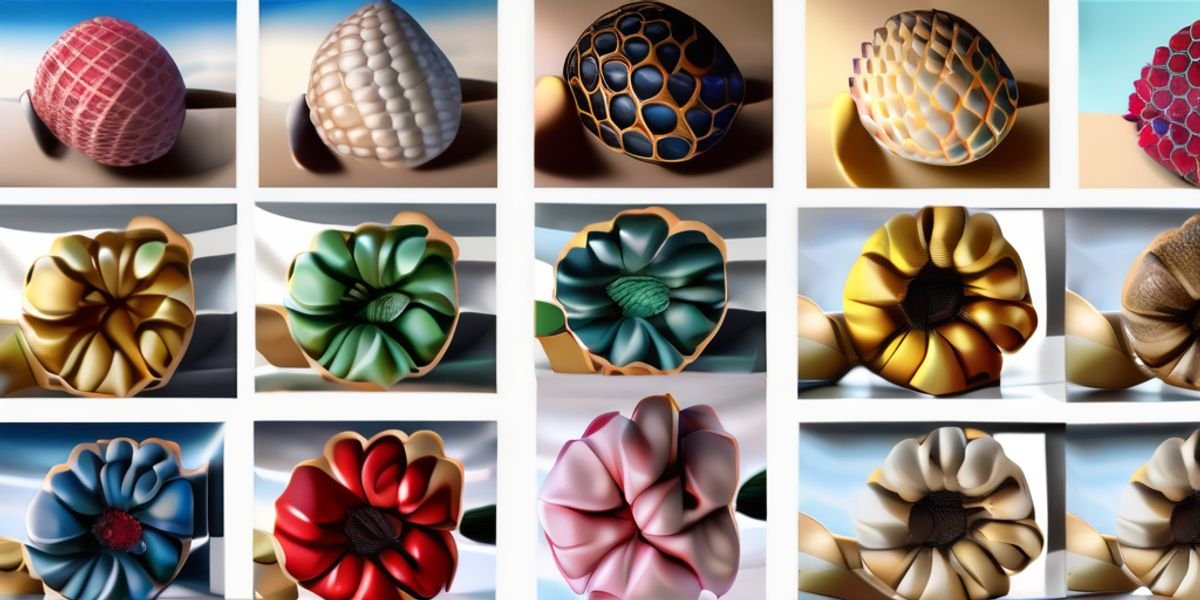
Research Priorities for More Sensible and Creative AI
As AI image generation technology advances, research priorities are shifting towards creating more sensible and creative AI systems. The goal is to develop AI that can produce images that are not only visually appealing but also contextually coherent and original.
Key research areas include:
- Enhancing the sensibility and logical consistency of AI-generated images
- Expanding the range of scenarios and image types AI can depict
- Reducing the data and training requirements for AI models
- Increasing the originality and creativity of AI-generated artwork
- Addressing biases in data and algorithms
- Improving content filtering and misuse detection mechanisms
The pursuit of these research objectives is crucial for the evolution of AI in the realm of image creation. It promises to unlock new levels of artistic expression and to provide tools that can augment human creativity in unprecedented ways.
The challenges are manifold, from ensuring that AI-generated images are free of biases to enabling AI to understand and interpret complex scenarios. As researchers tackle these issues, the potential for AI to revolutionize the field of visual arts continues to grow. The integration of AI in image generation is not just about the technology; it’s about shaping a future where AI and human creativity coalesce to produce works that were once unimaginable.
Overcoming Biases and Ethical Challenges
In the realm of AI image creation, overcoming biases and ethical challenges is paramount to fostering trust and ensuring fairness. The biases inherent in training data can lead to skewed outputs, reflecting societal prejudices in gender, race, and beyond. To combat this, researchers and developers are implementing strategies to create more equitable AI systems.
- Transparency: Clear communication about the use of AI, ensuring users are aware when they interact with AI-generated content.
- Diverse Data Sets: Curating training data from a wide range of sources to minimize biases.
- Ethical Guidelines: Establishing standards for responsible AI use, including respect for copyright laws.
The psychological impact of AI on human relationships and personal growth is also under scrutiny. As AI becomes more human-like, it’s essential to maintain a balance between technological advancement and the preservation of human values.
Legal frameworks are evolving to address the complex issues surrounding AI image generation. From copyright infringement to the societal implications of widespread access to AI art, the legal landscape is adapting to ensure that innovation does not come at the expense of ethical integrity.
Exploring the Best Tools for AI-Image Generation
In the rapidly evolving domain of AI-image generation, selecting the right tools is crucial for artists, designers, and innovators. The best tools not only offer high-quality image outputs but also provide user-friendly interfaces and versatile customization options.
- DeepArt: Transforms photos into artworks resembling the styles of famous painters.
- GANPaint Studio: Allows users to modify images by adding or removing elements, akin to painting or erasing.
- DALL-E: Generates images from textual descriptions, bridging the gap between words and visuals.
The rate of progress in AI-image generation is staggering, with advancements in training data, computational power, and algorithmic techniques fueling a renaissance in digital creativity.
Choosing the right tool involves considering factors such as the complexity of the desired images, the level of control over the generation process, and the specific requirements of the project at hand. As AI continues to redefine the boundaries of image creation, staying informed about the latest tools and their capabilities becomes indispensable for anyone looking to harness the power of AI for visual expression.
Envisioning the Art of Tomorrow: The AI Revolution in Image Creation
As we stand on the precipice of a new era in visual media, the rapid advancements in AI image creation paint a future brimming with possibilities. The journey from rudimentary color blotches to photorealistic landscapes and portraits has been nothing short of remarkable. Innovations like Stable Diffusion and DALL-E 2 are not just transforming the canvas of artists but are also reshaping industries from marketing to medicine. While challenges such as bias, copyright, and ethical use remain, the potential for AI to augment human creativity is limitless. As AI continues to evolve, becoming more sensible, creative, and user-friendly, it promises to unlock new horizons of imagination and redefine the essence of visual artistry.
Frequently Asked Questions
How have AI-generated images evolved in recent years?
AI-generated images have seen remarkable progress, transitioning from basic, fuzzy blotches of color to sophisticated, photorealistic creations. In 2024, the development of AI image generation has accelerated, offering a 3X speed boost and more sensible, creative, and less biased results.
What role do algorithms like Stable Diffusion play in AI artistry?
Algorithms like Stable Diffusion have been pivotal in AI-driven artistry, allowing artists to transform text descriptions into stunning visuals that can mimic various styles, such as Van Gogh, with remarkable accuracy and speed.
How might AI image generation technology transform industries?
AI image generation is poised to revolutionize industries by offering cost-effective stock photography, innovative marketing visuals, AI-created characters and scenes in entertainment, disruptions in traditional art creation, and challenges in news media with the rise of ‘deep fakes’.
What technological breakthroughs have been made in AI image generation?
Recent breakthroughs include the advent of DALL-E 2 and Stable Diffusion, which utilize vast datasets and advanced algorithms to create highly realistic and intricate images from textual descriptions, significantly impacting various visual domains.
What are the key research priorities for improving AI image generation?
Research priorities focus on enhancing the sensibility, consistency, and creativity of AI-generated images, reducing the need for extensive data and training, addressing biases, and improving content filtering and misuse detection.
What are some of the best tools currently available for AI image generation?
The market offers a range of user-friendly tools for AI image generation, designed to cater to both novices and professionals seeking to create customized and personalized visuals through descriptive input.