
AI image generation represents a significant leap forward in the field of digital content creation. This technological innovation has transformed the way we conceive and produce visual content, offering new levels of efficiency and artistic expression. Advanced algorithms now enable the creation of images that are not only realistic but also infused with unique creative flair. As we explore the evolution and impact of AI in image generation, we uncover how it is reshaping industries, challenging traditional creative processes, and setting the stage for a future rich with visual storytelling possibilities.
Key Takeaways
- AI image generation technology has evolved from simple algorithms to tools capable of advanced creativity, significantly impacting both professional and amateur creators.
- In marketing and advertising, AI is redefining brand storytelling, enabling customization at scale, and enhancing engagement through visual innovation.
- The mechanics of AI-driven visual content creation rely on underlying technologies such as machine learning to customize images and streamline the creative process.
- Challenges in AI image generation include ensuring the authenticity of AI-created images, addressing intellectual property concerns, and maintaining human oversight.
- The future of AI-generated visuals is poised for further innovation, with integration into emerging multimedia platforms and a profound impact on the creative industries.
The Evolution of AI in Image Generation
From Basic Algorithms to Advanced Creativity
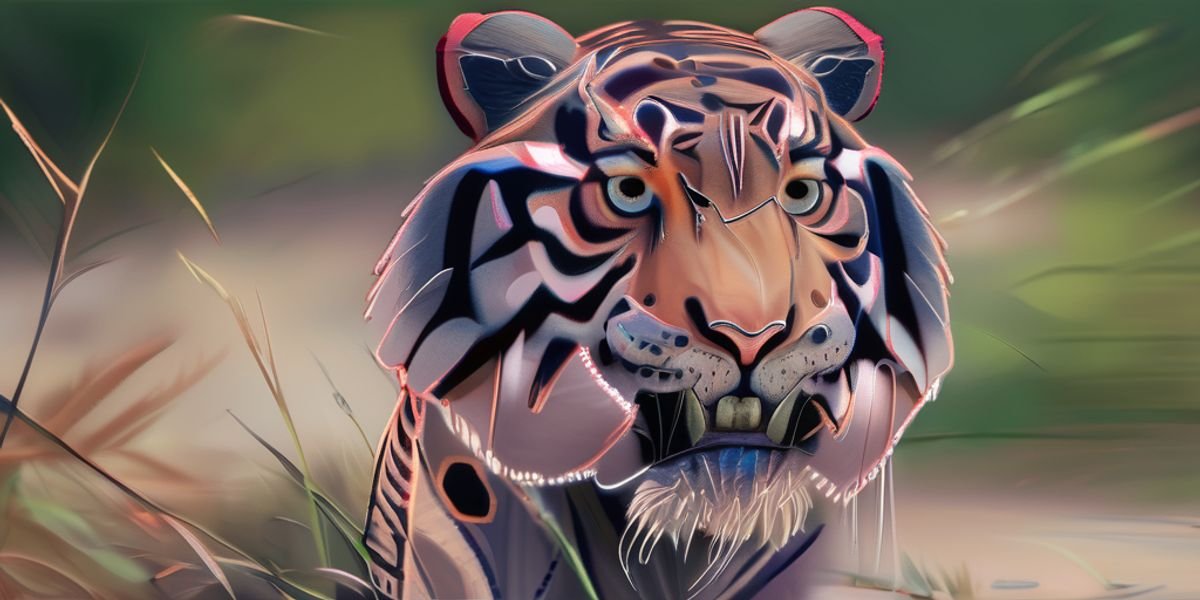
The journey of AI in image generation has been nothing short of revolutionary. Initially, basic algorithms could only produce simple patterns and shapes. Today, however, AI has reached a level of advanced creativity, transforming doodles into stunning artworks and enabling the generation of images that were once confined to the human imagination.
- Early AI: Simple patterns and shapes
- Current AI: Complex, realistic images and art
AI image generators have democratized the creative process, making it accessible to both professionals and amateurs. The tools now available, such as Avolo, Scale Catalog Forge, Neuralblender, and others, offer a robust suite of features that cater to a wide range of artistic needs.
The ability to blend different artistic styles and generate personalized content at scale has not only enhanced user experience but also redefined the boundaries of imagination.
As AI continues to evolve, it is set to redefine the creative process even further, igniting creativity and streamlining research. Best practices for using these AI-powered tools emphasize safety, responsibility, and the enhancement of human creativity rather than its replacement.
The Impact on Professional and Amateur Creators
The advent of AI in image generation has marked a transformative era for both professional and amateur creators. Professionals are leveraging AI to enhance productivity and innovate, while amateurs enjoy unprecedented access to sophisticated tools that were once the exclusive domain of experts. The democratization of creative tools has led to a surge in content creation, with AI acting as a catalyst for new forms of expression.
- Professional Creators: Increased efficiency, novel design options, and the ability to quickly iterate on ideas.
- Amateur Creators: Accessibility to high-level tools, simplified learning curves, and opportunities to explore creativity without formal training.
The integration of AI into the creative workflow has not only expedited the design process but also expanded the horizons for personalized content. The table below illustrates the shift in accessibility and usability of AI image generation platforms for different user groups:
| Platform | Unique Selling Point | User Target | Accessibility |
|---|---|---|---|
| Gemini Pro | User-friendly, accessible to beginners | Novice Artists, Students | Unknown |
| Adobe Firefly | Integrates with Adobe Creative Suite | Professional Designers | Part of Adobe Suite |
| DALL-E | Pioneering AI creativity | Wide Audience | Limited Access |
The synergy between human creativity and AI’s computational power is crafting a new narrative in visual content creation, where the barriers to entry are continually being lowered, and the potential for innovation is ever-expanding.
Bridging the Gap Between AI and Human Artistry
The integration of AI in image generation is not about replacing human artistry but enhancing it. AI serves as a catalyst for creativity, offering tools that can handle the more labor-intensive aspects of visual content creation. This synergy allows artists to focus on the conceptual and nuanced elements that AI cannot replicate.
- AI can process and analyze vast amounts of data to suggest design elements.
- Human artists infuse emotion, cultural context, and personal touch.
- The collaboration leads to innovative and emotionally resonant visuals.
The true potential of AI in artistry lies in its ability to augment human creativity, not to overshadow it. By leveraging AI for the heavy lifting, artists can dedicate more time to the creative process, ensuring that each piece of content is both innovative and deeply human.
The MBC Group’s approach emphasizes the importance of this balance, advocating for the use of AI to free up creative resources. As AI continues to evolve, it is imperative to maintain this partnership, where technology empowers human expression, leading to a richer and more diverse visual landscape.
AI Image Generation in Marketing and Advertising
Redefining Brand Storytelling with AI
The advent of AI Technology in the realm of brand storytelling marks a significant shift in the creation and dissemination of visual content. AI’s ability to analyze brand style, user engagement, and other critical metrics has led to the generation of images that deeply resonate with target audiences. This transformative approach allows for a more personalized and impactful narrative.
- AI-generated visuals offer intelligent design recommendations, ensuring that each image aligns with brand identity.
- The technology streamlines the transformation of textual narratives into compelling visual stories.
- AI’s natural language processing capabilities enable a seamless conversion of descriptions into engaging content.
The integration of AI Technology into visual content creation is not just an enhancement; it’s a revolution in how brands connect with consumers, offering unprecedented levels of customization and relevance.
The implications for social media marketing are particularly profound, with AI-generated images reshaping the dynamics of visual content strategy. This innovation in AI image generation is paving the way for a future where visual marketing is more dynamic, accessible, and tailored than ever before.
Customization and Personalization at Scale
The advent of AI in the realm of marketing and advertising has ushered in an era where customization and personalization are not just buzzwords, but tangible realities at scale. AI tools, leveraging vast amounts of data, can now suggest personalized content topics, tailor tone, style, and delivery to match audience preferences, leading to higher engagement rates.
The synergy between AI’s analytical prowess and the nuanced understanding of human creativity is pivotal. It ensures content not only resonates with the audience but also retains its authenticity.
However, the integration of AI does not negate the necessity for human creativity. AI excels in generating content based on data and algorithms, but the emotional connection, the sharing of personal experiences, and the unique storytelling capabilities remain the domain of human creators. Balancing AI tools with human insight is crucial for content that truly connects.
The following list highlights key services where AI’s role in customization and personalization is evident:
- AI Primer Workshop
- AI PoC and AI MVP
- Data Engineering
- Rapid Prototyping
- Research & Development
Incorporating AI into these services enhances the ability to deliver personalized content at an unprecedented scale. As AI Chat and AI Text technologies continue to evolve, they will further redefine the landscape of personalized visual content creation.
Enhancing Engagement Through Visual Innovation
In the realm of digital marketing, engagement is the cornerstone of success. AI Image generation technologies are revolutionizing this space by enabling the creation of visuals that are not only eye-catching but also deeply resonant with target audiences. By analyzing brand style, user engagement metrics, and other critical data, AI Image tools can produce visuals that captivate and hold the attention of viewers.
The transformative power of AI Image generation lies in its ability to turn narratives and descriptions into compelling visual stories. This is achieved through the use of natural language processing (NLP), which interprets the textual content and translates it into visual elements that tell a story.
Here are some ways AI Image generation is enhancing engagement:
- Intelligent design recommendations tailored to brand identity
- Automated layout and color scheme optimization
- Conversion of textual descriptions into visual narratives
Embracing AI Image generation is not just about keeping up with trends; it’s about pioneering a future where content is not only visually appealing but also uniquely tailored to each brand’s narrative. As we continue to explore the capabilities of AI in visual content creation, we are witnessing a revolution that is reshaping the digital landscape, making it more vibrant, personalized, and engaging.
The Mechanics of AI-Driven Visual Content Creation
Understanding the Underlying Technologies
At the core of AI-driven image generation lies a complex interplay of technologies that enable machines to create visuals with astonishing detail and creativity. The foundation of this capability is rooted in machine learning algorithms and neural networks, which learn from vast datasets to produce images that are increasingly indistinguishable from those created by humans.
- Machine Learning Algorithms: These are the instructions that guide AI in recognizing patterns and making decisions.
- Neural Networks: Mimic the human brain’s structure and function, enabling AI to learn and adapt.
- Generative Models: Such as GANs (Generative Adversarial Networks), which create new content by learning from existing data.
The seamless integration of these technologies has revolutionized the field of visual content creation, allowing for the generation of images that push the boundaries of traditional art and design.
Understanding these technologies is crucial for anyone looking to leverage AI in image generation. The interdependence of data, algorithms, and computational power forms the bedrock upon which AI creativity is built. As these technologies evolve, so too does the potential for AI to transform the landscape of visual content.
The Role of Machine Learning in Image Customization
Machine learning (ML) stands at the core of the transformative power of AI in image generation. ML algorithms analyze vast datasets to learn and replicate diverse artistic styles, enabling the creation of images that resonate with specific brand aesthetics or personal tastes. This technology not only automates but also innovates, offering a level of sophistication in visual content that was once out of reach.
- ML-driven tools can identify patterns and preferences from user interactions.
- They adapt to various artistic influences, ensuring each image is unique.
- The technology facilitates rapid prototyping, allowing for quick iterations.
The integration of ML in image editing workflows represents a leap forward in creative potential. It empowers users to explore new horizons in visual storytelling, making sophisticated image customization more accessible.
The impact of ML on image customization is profound, as it enables businesses to produce tailored content at an unprecedented scale. Marketers can now engage audiences with highly personalized visuals, crafted swiftly to meet the ever-changing demands of the market. The efficiency and innovation catalyzed by AI and ML are setting a new standard for visual marketing strategies.
Streamlining the Creative Process with AI Tools
The integration of AI tools in the creative process has marked a transformative shift in content creation. AI’s capacity to produce realistic and accurate images ensures that creators can achieve a level of visual uniqueness that was once challenging to attain. This streamlining effect is evident across various stages of content development:
- Idea Generation: AI sparks creativity by suggesting concepts and styles.
- Research: AI tools can analyze trends and preferences, informing the direction of a project.
- Customization: Users can tailor visuals to specific audiences or themes.
- Execution: AI accelerates the creation of high-quality images.
The fusion of AI and creativity is set to redefine the landscape of visual content creation, offering far-reaching possibilities for content creators.
As businesses and creators increasingly recognize the potential of AI tools, the process of generating images is not only streamlined but also enriched with innovative possibilities. The MBC Group’s experience reflects a broader trend where the ever-evolving landscape of technology provides robust and accessible means for individuals and organizations to bring their visual concepts to life.
Challenges and Ethical Considerations in AI Image Generation
Addressing the Authenticity of AI-Created Images
The authenticity of AI-generated images has become a pivotal concern as these visuals increasingly permeate various sectors. Ensuring the accuracy and authenticity of generated images is crucial to maintaining consumer trust. Businesses and creators alike must navigate the challenges posed by potential errors in image generation algorithms.
- Transparency in the creation process
- Accountability for the output
- Investment in tools and expertise
Overcoming these hurdles necessitates a concerted effort and investment in the right tools, as well as the right expertise to guarantee the authenticity and precision of AI-generated images.
Transparency and accountability are not just ethical imperatives; they are also strategic necessities. As AI-generated visuals become more common, the ability to verify their origin and ensure they are free from unintentional biases or inaccuracies is essential. This verification process helps in preserving the integrity of the content and upholding the brand’s reputation.
Intellectual Property and Copyright Concerns
The advent of AI in image generation has brought forth a new frontier in intellectual property (IP) rights and copyright concerns. The integration of digital watermarking is a pivotal step in safeguarding the rights of creators, ensuring that AI-generated images are attributed correctly and that IP is managed effectively.
- Digital watermarking provides a layer of security for artists and photographers.
- It helps prevent unauthorized use and ensures creators receive due credit.
- For companies, watermarked images enhance productivity and protect content.
The responsibility to use AI-generated images ethically and in compliance with copyright laws rests on the users. It is imperative to exercise caution and adhere to guidelines to prevent misuse and deceptive practices.
The implementation of digital watermarking by tools like Bard’s AI Image Generator illustrates the potential to illustrate complex ideas without needing advanced skills in graphic design. This feature is particularly beneficial for named individuals and entities in creative industries, offering a measure of security and recognition for their contributions.
The Balance of Human Oversight in AI Creativity
The interplay between AI capabilities and human creativity is pivotal in the realm of visual content creation. AI tools serve as a powerful extension of human imagination, yet they require the discerning eye of creators to guide and refine the output. The synergy of AI and human input can lead to unparalleled innovation and personalization in visual content.
- Always review and refine AI-generated content for accuracy and brand alignment.
- Use AI to augment creative skills, not replace them.
- Foster a balance between efficiency and authenticity.
The aim is to enhance the creative process with AI while ensuring that the final product resonates with authenticity and human appeal.
The future of AI-powered visual content creation hinges on this delicate balance. As we harness the efficiency of AI, we must also cultivate a space for human intuition and emotional intelligence to thrive. This ensures that visual narratives remain engaging and true to the human experience.
The Future Landscape of AI-Generated Visuals
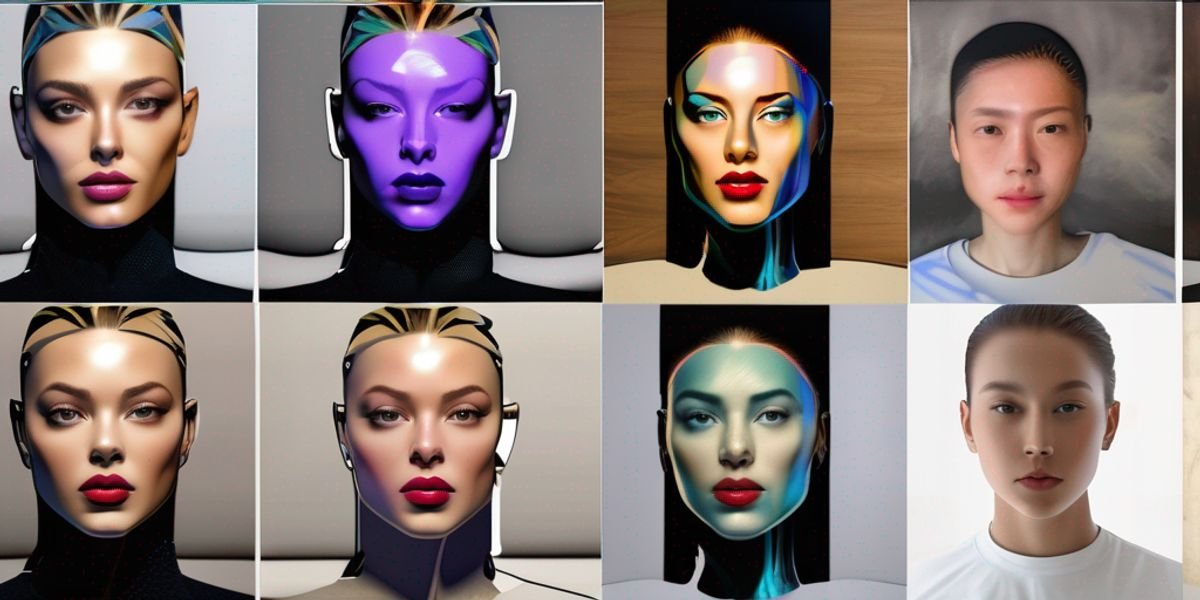
Predicting the Next Wave of AI Innovations
The trajectory of AI in image generation suggests a future where the synthesis of visual content is not only more sophisticated but also more intuitive. The integration of AI with user-centric design principles is expected to yield tools that understand and execute complex creative commands with unprecedented precision.
- Advancements in generative AI will likely enable the creation of visuals that are increasingly tailored to specific user needs and preferences.
- The emergence of AI-driven graphic creation tools, such as Dall-E, indicates a shift towards on-demand, high-quality graphics generation.
- We may see a rise in AI capabilities that can interpret a wide array of styles, producing unique and diverse AI-generated artworks.
The continuous evolution in AI technology is set to redefine visual storytelling, making the creation of impactful images more accessible and dynamic.
As we anticipate these changes, it’s crucial to monitor how they will influence the roles of artists, designers, and developers in the visual content creation landscape. The next wave of AI innovations promises to enhance the creative process, offering tools that could potentially generate imagery or assist in coding visual elements, thereby expanding the horizons of visual marketing and storytelling.
Integrating AI with Emerging Multimedia Platforms
The integration of AI with emerging multimedia platforms is a testament to the versatility and adaptability of AI in the realm of visual content creation. AI’s ability to generate contextually relevant visuals is revolutionizing the way we interact with various media forms, from virtual reality to interactive web experiences.
- Virtual Reality (VR): AI-generated imagery can enhance immersive environments, providing dynamic and responsive visual elements.
- Augmented Reality (AR): AI can be used to overlay digital content onto the real world, creating engaging and informative experiences.
- Interactive Web Experiences: AI-driven visuals can personalize user experiences on websites, adapting in real-time to user interactions.
The seamless fusion of AI with these platforms ensures a more engaging and personalized experience for users, setting a new standard for multimedia content.
As we continue to witness the growth of AI in visual content creation, it’s clear that its integration with multimedia platforms will play a pivotal role in shaping the future of digital experiences. The potential for AI to not only create but also to enhance and personalize visual content is immense, promising a future where the boundaries between technology and creativity become increasingly blurred.
Preparing for the Impact on the Creative Industries
As AI continues to advance, the creative industries are on the cusp of a major transformation. The integration of AI into creative workflows is not just inevitable; it’s already happening. Companies and individuals within the creative sectors must prepare for the changes AI will bring, both in terms of opportunities and challenges.
- Adaptation: Embracing AI tools to stay competitive.
- Education: Learning new skills to leverage AI capabilities.
- Collaboration: Partnering with AI developers to shape the future of creative tools.
- Innovation: Encouraging a culture of experimentation with AI.
The key to thriving in the impending AI revolution in the creative industries lies in the ability to adapt, learn, and innovate.
The potential for AI to augment human creativity is immense, but it also raises questions about originality and the value of human touch in art. As we move forward, it’s crucial for the creative community to engage in an ongoing dialogue about these issues, ensuring that AI serves as a complement to human creativity, rather than a replacement.
Embracing the Future of AI-Driven Visual Innovation
The journey through the landscape of AI image generation reveals a horizon brimming with potential. As we have explored, these technologies are not only redefining the boundaries of visual content creation but are also democratizing the ability to produce high-quality, compelling visuals. From streamlining the creative process to enabling a new wave of personalized and stylized imagery, AI image generators are poised to become indispensable tools in the arsenal of artists, marketers, and content creators. The future beckons with the promise of AI that can interpret complex commands and deliver visuals that resonate deeply with audiences, transforming the way we interact with and consume visual media. As we stand on the cusp of this transformative era, it is clear that embracing AI in image generation is not just about keeping pace with technology—it is about unlocking a realm of creativity that was once thought to be the exclusive domain of human ingenuity.
Frequently Asked Questions
What is AI image generation?
AI image generation is a breakthrough technology in digital content creation, using sophisticated algorithms to produce images with high levels of realism and artistic quality. It represents a significant leap in efficiency and creativity for visual content production.
How is AI image generation impacting visual storytelling?
AI image generation is redefining visual storytelling by making the creation of compelling and meaningful images more accessible and dynamic. It allows for the production of a wide array of visuals, from marketing materials to artistic works, with a level of customization and creativity that was previously unattainable.
How do AI-powered visual content creation tools work?
AI-powered visual content creation tools analyze data, language, and design principles to generate customized visuals. They can create a range of content, from social media graphics to engaging videos and infographics, transforming the way visual content is produced.
What are the benefits of using AI image generators?
AI image generators offer numerous benefits, including exceptional efficiency by automating the creative process, which saves time and resources. They also enable the creation of tailored visuals that align with specific style requirements, enhancing the overall content production workflow.
What future changes can we expect in AI image generation?
We can anticipate significant advancements in AI image generation, with tools becoming more sophisticated and intuitive. Future AI may understand complex commands to create deeply personalized visuals, and we might see features that draw from a wide range of styles to produce unique AI-generated artworks.
How is AI transforming marketing and advertising with image generation?
AI is transforming marketing and advertising by enabling businesses to create high-quality, brand-consistent visuals at scale. AI image generators simplify the creative process, allowing for the production of compelling graphics that resonate with target audiences and enhance brand storytelling.