
In the article ‘Breaking Boundaries: The Emerging World of AI Image Synthesis,’ we delve into the transformative impact of AI image generators on the art world. As we stand in 2024, these tools have not only redefined creativity but also democratized art, making it accessible to all. We explore the inner workings of these generators, highlight the features of Imagine AI Image Generator as a leader in the field, and look ahead to the future trends and ethical considerations of AI in art.
Key Takeaways
- AI image generators have revolutionized artistic expression, enabling anyone to create stunning visuals with simple prompts.
- These tools bridge the skill gap between novices and masters, challenging traditional art forms and their creation processes.
- Imagine AI Image Generator distinguishes itself with unique features, user-friendliness, and community-driven art creation.
- Ethical considerations are paramount as AI art becomes more prevalent, with concerns about originality and data integrity.
- The future of AI image synthesis promises further innovation, with trends suggesting a deeper collaboration between AI and human artists.
The Artistic Revolution: AI Image Generators Redefining Creativity
The Transformation of Artistic Expression
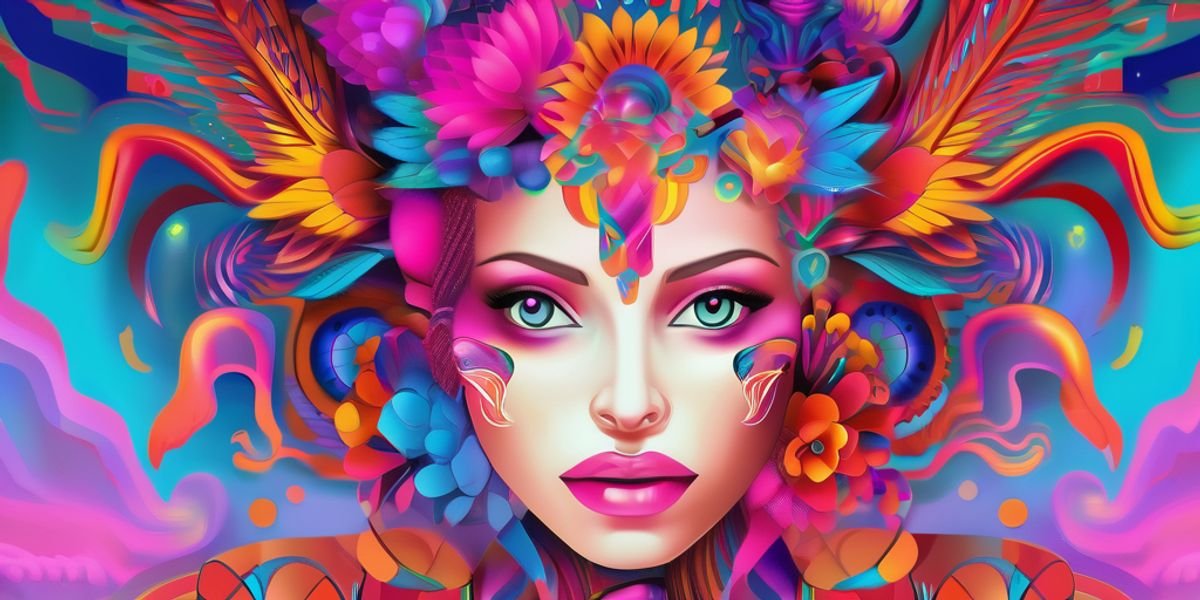
The year 2024 marks a pivotal moment in the evolution of art. AI image generators have catalyzed a seismic shift in artistic expression, enabling a fusion of technology and creativity that was once unimaginable. These tools have not only democratized art creation but have also challenged the very notion of what constitutes art.
- AI image generators allow for rapid experimentation with styles and forms.
- They enable artists to visualize concepts that may be difficult to render by hand.
- The technology has expanded the realm of the possible, inspiring artists to explore new frontiers.
The digital landscape now pulsates with the boundless creativity of AI, where every prompt can lead to a masterpiece.
As AI continues to evolve, it pushes human creativity to explore realms beyond the conventional, much like how photography once challenged traditional portrait painting. The intersection of AI and art is not just about the creation of new works; it’s about inspiring a quest for originality and truth in human expression.
Bridging the Gap Between Novice and Master
AI image generators are revolutionizing the creative landscape by bridging the gap between novice and master. These tools provide an unprecedented platform for individuals at any skill level to produce high-quality visual content. With AI assistance, the barrier to entry for creating art is significantly lowered, allowing those without formal training to express their creativity and ideas visually.
The democratization of art through AI is not just about ease of use; it’s about opening up a world of possibilities for all to participate in the creative process.
While AI image generators empower novices, they also offer new tools for seasoned artists to explore and incorporate into their work. The following list highlights the roles where AI image synthesis skills are increasingly in demand:
- Content Creators and Social Media Managers
- Graphic Designers and Illustrators
- Game Developers and Animators
- Marketing and Branding Professionals
- Educational Content Developers
The impact of AI on these roles is profound, as it allows for rapid prototyping, experimentation with styles, and the creation of complex images that would otherwise require extensive time and expertise.
The Impact on Traditional Art Forms
The advent of AI image generators has sparked a renaissance in the art world, challenging the very notion of traditional art forms. The boundaries between digital and physical mediums are blurring, as AI-generated art gains acceptance and even admiration in galleries and exhibitions traditionally reserved for human-created works.
- Accessibility for All: AI art opens doors for people with disabilities, breaks down language barriers, and empowers diverse voices.
- Pressure on Creativity: Human artists are now pushed to explore beyond the conventional, as AI challenges them to produce unique and abstract concepts.
- Quality of AI Art: To be accepted in galleries, AI-generated art must achieve near perfection, reflecting the high standards of the art community.
The year is 2024, and the art world has been irrevocably transformed. The digital landscape pulsates with the creativity of AI image generators, empowering anyone to create.
While some fear the potential for AI to dilute the uniqueness of human expression, others see it as an opportunity for artists to push the envelope of creativity. The impact on traditional art forms is undeniable, with AI acting as both a catalyst for innovation and a mirror reflecting the evolving nature of art itself.
Democratizing Art: Accessibility and Empowerment Through AI
No Skills? No Problem: The Rise of User-Friendly AI Art
The advent of AI image generators marks a pivotal moment in the democratization of art. No longer are artistic skills a prerequisite to creating visually stunning pieces; these advanced tools are designed to understand and translate textual descriptions into rich, complex images. With AI, the barrier to entry for art creation is virtually eliminated, allowing anyone to express their creativity without the need for technical prowess.
- Ease of Use: AI art generators are intuitive, requiring only a description of the desired image.
- Inclusivity: They provide a platform for individuals with disabilities and those from non-artistic backgrounds.
- Empowerment: These tools give a voice to diverse populations, enabling them to share their perspectives visually.
The transformation of the art landscape is profound, with AI image generators at the forefront, catalyzing an era where expression is not limited by one’s command of the brush or chisel, but only by the breadth of their imagination.
The implications of this shift are vast, with AI art becoming a beacon of accessibility and empowerment. As we navigate the talent gap in AI expertise, it’s clear that the role of AI in art is not to replace human creativity but to augment it, allowing for a richer, more inclusive art world.
Content Creation for the Digital Age
In the digital era, content creation has become a cornerstone of online engagement and business strategy. AI image generators have revolutionized this landscape, offering tools that transform ideas into visual realities with unprecedented ease. The implications for digital marketing, social media, and web design are profound, as AI-driven content can significantly enhance user experience and engagement.
The rise of AI in content creation has also sparked discussions about the future of SEO. With the ability to generate high-quality images en masse, the challenge shifts from content creation to content curation. As the haystack of digital content grows, the needle of quality becomes harder to find, necessitating smarter search algorithms and more discerning content strategies.
The integration of AI into content creation democratizes the ability to produce visually appealing material, allowing individuals and businesses to communicate more effectively in the digital space.
While some argue that SEO is evolving into a ‘pay-to-play’ model, others see opportunities for AI to enhance content discoverability. Cryptographic solutions, for instance, can mark original content, helping it stand out amidst the noise. As AI continues to break boundaries, it is clear that the digital age of content creation is just beginning to unfold.
Ethical Considerations in AI-Generated Art
As AI image synthesis technology advances, ethical considerations become increasingly significant. Ensuring the ethical use of AI is paramount, involving transparent systems, robust data governance, and regular assessments for biases. AI must adhere to principles of fairness, reliability, safety, privacy, security, inclusiveness, transparency, and accountability.
The integration of AI in art raises complex ethical questions, particularly around data security and the potential for misuse. Developing AI ethics guidelines and ensuring compliance with data protection regulations are critical steps in fostering trust and responsible use.
AI image generators, while democratizing art creation, also face scrutiny for their impact on privacy and the potential to perpetuate biases. The following points highlight key ethical considerations:
- Content safeguards to decline harmful or sensitive material generation
- Data governance frameworks to manage data access and usage
- Regular bias assessments and corrective actions
- Compliance with global data protection regulations like GDPR
The challenge for AI developers is to balance innovation with ethical responsibility, ensuring AI artistry benefits all without compromising ethical standards.
Behind the Scenes: How AI Image Generators Work
Understanding the Technology
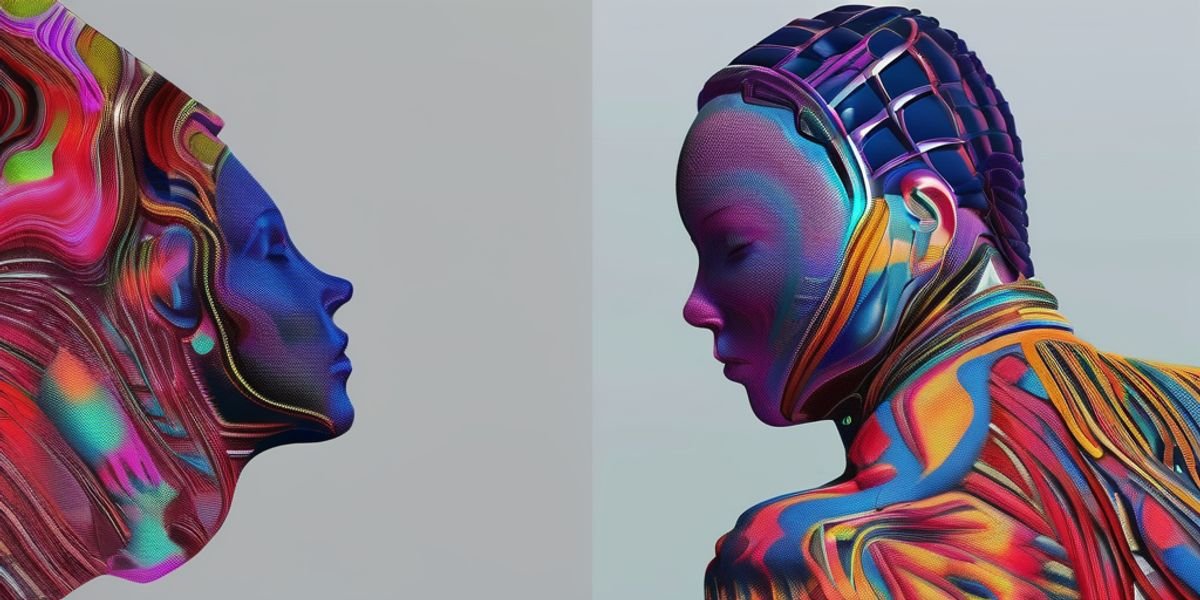
At the heart of AI image synthesis lies a complex interplay of algorithms and data. AI image generators harness machine learning (ML) to create visuals from textual descriptions, transforming the way we interact with digital content. The process involves several key steps:
- Input Processing: AI interprets the given text, analyzing semantics and context to form a visual concept.
- Algorithmic Execution: ML models, trained on vast datasets of images and their descriptions, generate the initial image.
- Refinement and Learning: The system iteratively refines the output, learning from each interaction to improve future results.
The beauty of AI image synthesis is not just in the final product but in the journey of creation, where each iteration brings the AI closer to mastering the art of visual representation.
Understanding this technology requires a grasp of its foundational elements, such as neural networks and generative adversarial networks (GANs). These are the building blocks that enable AI to not just mimic but innovate, pushing the boundaries of what’s possible in digital artistry.
The Role of Machine Learning and Data
At the heart of AI image synthesis lies the intricate dance between machine learning (ML) and data. Machine learning automates the process of analytical model building, enabling systems to learn and improve from experience without explicit programming. This self-improvement is pivotal for AI art generators, as it allows them to refine their output with each iteration.
The role of data is equally critical, as it serves as the raw material from which AI draws its creative insights. Here’s a snapshot of how data influences AI image generators:
- Data Quality: High-quality data ensures more accurate and aesthetically pleasing results.
- Data Quantity: A larger dataset provides a more diverse range of learning material for the AI, leading to greater creativity and fewer repetitions.
- Data Diversity: Varied data helps in avoiding biases and promotes the generation of unique and inclusive art.
The synergy between machine learning and data is not just about quantity but also the quality and diversity of the data. This combination is essential for creating AI art that is not only visually stunning but also culturally and contextually rich.
As we look towards the future, advancements in deep learning and neural networks are set to unlock even more sophisticated forms of AI-driven creativity. These technologies will leverage unstructured data, enabling AI systems to make complex decisions and create art with minimal human oversight. However, the journey is not without challenges. Ensuring data privacy, security, and compliance with regulations remains a paramount concern for artists and developers alike.
Challenges and Limitations of Current AI Models
Despite the remarkable advancements in AI image synthesis, several challenges and limitations persist that affect the efficacy and adoption of these technologies. Data quality and accessibility remain significant hurdles, as poor data can lead to inaccurate or biased AI outputs. Ensuring that AI systems are trained on high-quality, diverse datasets is crucial for their success.
- Integration with Existing Systems: AI models often struggle to seamlessly integrate with legacy systems, leading to potential disruptions.
- Ethical and Privacy Concerns: The handling of personal data by AI can raise serious ethical questions and privacy issues.
- Skill Gaps: A lack of AI expertise can impede the progress of AI projects within organizations.
The potential of AI image generators is immense, yet the journey to fully realize their capabilities is fraught with obstacles that must be navigated carefully.
Training and maintenance of AI systems are ongoing processes that require continuous updates to data and algorithms to stay effective. As we look to the future, the prospect of self-learning systems that require minimal human intervention is both exciting and challenging, with governance and compliance playing a pivotal role in ensuring responsible AI development.
Imagine AI Image Generator: A Leader in AI-Driven Artistry
Exclusive Features of Imagine AI Image Generator
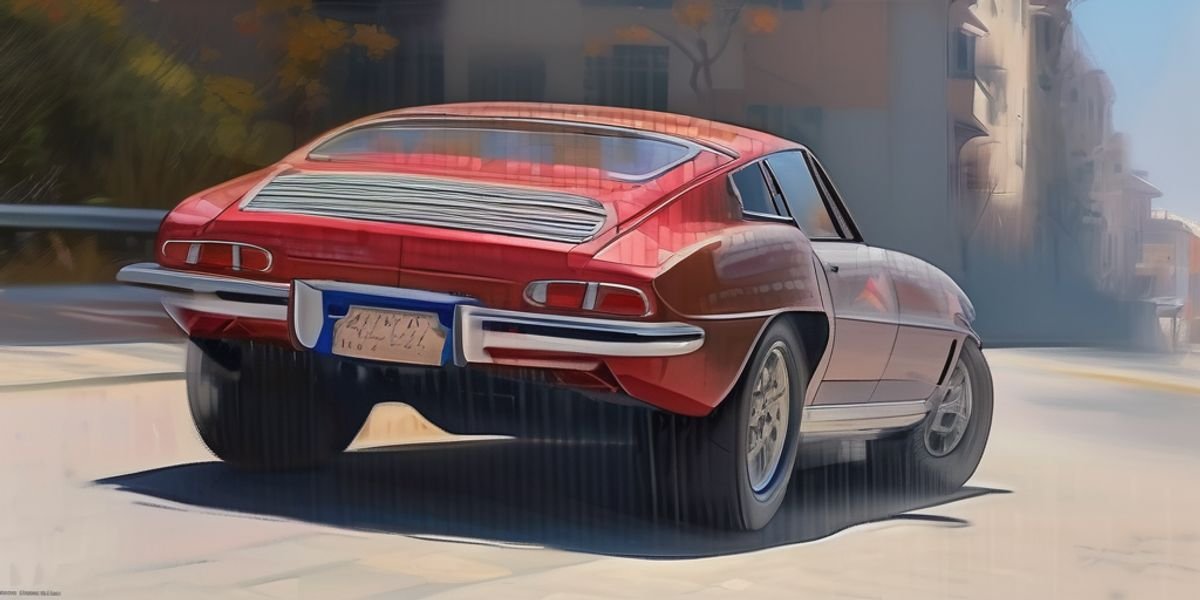
Imagine AI Image Generator stands out in the AI-driven artistry landscape, offering a suite of exclusive features that cater to both the novice and the seasoned creator. Text-to-Image Magic is at the heart of Imagine AI, where users can simply describe their vision in words and watch as the AI brings it to life with no artistic skills required.
Beyond the initial creation, Imagine AI provides tools to Refine Your Masterpiece, allowing users to adjust aspect ratios, resolution, and style, ensuring each piece of art is exactly as envisioned. The platform’s versatility is showcased through its Infinite Models feature, which includes a variety of styles such as Anime, Realistic, and Creative, to name a few.
Imagine AI Image Generator is not just a tool; it’s a gateway to an entirely new realm of possibilities, where the only limit is your imagination.
The following list highlights some of the key features that set Imagine AI apart:
- Image Remix: Integrate and blend different images to create unique compositions.
- Image In-painting: Effortlessly fill in missing parts or remove unwanted elements from your images.
- Customizable Canvas: A dedicated space to edit and enhance your AI-generated images.
These features, combined with a user-friendly interface, make Imagine AI Image Generator a leader in AI-driven artistry, pushing the boundaries of creativity and accessibility.
Navigating the User Interface
The user interface of Imagine AI Image Generator is designed with simplicity and efficiency in mind, ensuring that users of all levels can harness the power of AI Technology with ease. The layout is intuitive, providing quick access to a variety of tools that facilitate the creation of AI Text and AI Image content.
Here’s a quick guide to navigating the main areas of the interface:
- Dashboard – Your central hub for recent projects and quick actions
- Learning Path – Guided tutorials to enhance your skills
- Catalog – A comprehensive list of features and tools
- Resources – Helpful articles and success stories
- Profile – Manage your account and settings
The seamless integration of features within the interface allows users to exercise greater creative control, achieving detailed results that bridge the gap between novice and master.
Whether you’re looking to create stunning visuals or engaging AI Chat experiences, the Imagine AI Image Generator’s interface is structured to support your creative journey. The platform’s commitment to user-friendly design means that you can focus on your artistic vision without getting bogged down by complex processes.
Community and Collaborative Art Creation
The Imagine AI Image Generator has not only revolutionized individual creativity but has also fostered a new era of community and collaborative art creation. Artists and enthusiasts converge in digital spaces, sharing prompts, techniques, and visions, transforming solitary artistry into a collective endeavor.
- Community Forums: A hub for discussion, feedback, and shared growth.
- Collaborative Projects: Joint ventures where multiple users contribute to a single piece.
- Prompt Sharing: Exchange of ideas and prompts that spark new creations.
The synergy of collective intelligence amplifies the creative potential, enabling a tapestry of diverse ideas to flourish within the Imagine AI ecosystem.
The platform’s emphasis on collaboration is not just about creating art; it’s about creating connections. By providing tools that facilitate interaction, Imagine AI Image Generator is building a community that transcends geographical boundaries, inviting a global chorus of voices to partake in the art-making process.
The Future of AI Image Synthesis: Trends and Predictions
Innovations on the Horizon
As we peer into the future of AI image synthesis, bold predictions and exciting developments are shaping the landscape of this dynamic field. The pace of innovation in AI continues to outstrip traditional capabilities, heralding a new era of creativity and technological advancement.
- Automotive AI: Enhancements in autonomous driving and safety features through continuous machine learning.
- Pharmaceutical AI: Accelerated drug discovery processes with AI algorithms predicting chemical compound interactions.
- AI in Healthcare: Revolutionary strides in gene editing, telemedicine, and personalized treatment plans.
- Augmented Creativity: AI’s role in augmenting human creativity across various industries, including design and content creation.
The integration of AI into various sectors is not just a trend; it’s a transformative movement that redefines the boundaries of innovation and product development. As AI consulting grows, new market areas emerge, each with the potential to disrupt and redefine existing paradigms.
The future trends in AI consulting suggest a trajectory that includes tackling global challenges such as climate change and pollution, while also empowering healthcare innovations and creative industries. This is a testament to AI’s versatility and its capacity to serve as a catalyst for change across diverse domains.
The Evolving Relationship Between AI and Artists
As we navigate through the digital renaissance, the symbiosis between AI and artists is becoming increasingly intricate. Artists are harnessing AI as a tool for expanding their creative horizons, exploring new forms of expression that were once inconceivable. The AI’s role is not to replace, but to augment the artist’s capabilities, offering a new palette of possibilities.
- AI image generators serve as a bridge, allowing artists to experiment with novel concepts without the constraints of traditional mediums.
- The technology provides a platform for artists to refine their ideas, iterating rapidly through variations that would take countless hours to produce manually.
- Ethical considerations arise as AI-generated art blurs the lines of authorship and originality, challenging the traditional notions of creativity.
The relationship between AI and artists is a dance of possibility and ethics, where each step forward in technology prompts a corresponding evolution in the art world.
The dialogue between AI and human creativity is not without its challenges. As AI-generated art becomes more prevalent, concerns about authenticity and the value of human touch in art are sparking debates. Yet, this intersection is also a fertile ground for innovation, where artists can redefine their craft in ways that resonate with the digital age.
Ethical and Legal Implications of AI in Art
The integration of AI into the art world brings with it a host of ethical and legal considerations that must be navigated with care. Ensuring the ethical use of AI is paramount, involving the implementation of transparent AI systems and robust data governance frameworks. These measures are critical for compliance with global data protection regulations like GDPR and for maintaining the integrity of AI-generated art.
- Ethical AI Use and Data Governance:
- Transparent AI systems for explainable decisions
- Data governance frameworks for compliance
- Bias assessment and mitigation
The ethical landscape of AI in art is complex and ever-evolving, requiring continuous vigilance and adaptation to ensure that AI serves as a tool for empowerment rather than exploitation.
Privacy issues and the potential for harmful use of AI are significant concerns. Solutions include developing AI ethics guidelines, ensuring compliance with data protection regulations, and fostering transparent systems that allow for accountability. Governance and compliance will inevitably evolve as AI’s role in sensitive areas grows, addressing new ethical considerations and regulatory requirements to benefit society while minimizing risks.
Conclusion
As we stand on the brink of 2024, the landscape of digital artistry is being reshaped by the remarkable capabilities of AI image generators. These tools have democratized creativity, enabling anyone to bring their imagination to life without the need for traditional artistic skills. Imagine AI Image Generator, with its user-friendly interface, high-resolution outputs, and ethical content safeguards, exemplifies the pinnacle of this technological revolution. It’s not just about creating art; it’s about unlocking a world of endless possibilities where imagination is the only limit. As AI continues to evolve, it promises to expand our creative horizons even further, challenging us to reimagine the boundaries of art and expression.
Frequently Asked Questions
What has been the impact of AI image generators on the art world?
AI image generators have transformed the art world by enabling anyone to create stunning visuals with just a text prompt, bridging the gap between novices and seasoned artists and redefining the concept of artistic expression.
Why are AI image generators important for creativity?
AI image generators are important because they provide a foundation for developers and artists to explore new possibilities in image synthesis, allowing for the creation of unique and imaginative visuals without the need for traditional artistic skills.
How do AI image generators democratize art?
AI image generators democratize art by making it accessible to people without formal artistic training, enabling them to visualize and create artwork simply by describing their ideas, thus empowering a wider audience to participate in creative expression.
What are some ethical considerations around AI-generated art?
Ethical considerations include the potential for AI to reinforce cliches, the need for originality in art, and the importance of respecting copyright and intellectual property rights when using AI to generate images.
What makes Imagine AI Image Generator stand out among AI art tools?
Imagine AI Image Generator stands out for its user-friendly interface, collaborative art creation features, high-resolution outputs, and commitment to ethical standards, including content safeguards against generating inappropriate material.
What can we expect from the future of AI image synthesis?
The future of AI image synthesis is likely to see continuous innovation, with new features and improvements that enhance the collaboration between AI and artists, as well as ongoing discussions about the ethical and legal implications of AI in art.