
AI Shaping Future. As we stand on the cusp of unprecedented technological progress, the influence of Artificial Intelligence (AI) looms large over the future. In this exploration, we delve into the potential impact of AI in the coming decades as technology propels us into uncharted territories. The trajectory of AI promises to be transformative, reshaping industries, healthcare, the environment, and societal norms. This article provides a glimpse into the future, examining key trends and advancements that illustrate how AI is shaping our world.
Key Takeaways
- AI is set to fundamentally transform industries, healthcare, and environmental sustainability, leading to a redefined global landscape.
- Technological breakthroughs in biotechnology, quantum computing, and renewable energy will revolutionize daily life and work.
- The ethical implications of AI, such as privacy concerns and algorithmic bias, require robust legal frameworks for governance.
- AI-driven solutions will be pivotal in addressing climate change, fostering sustainable practices, and reducing carbon emissions.
- The synergy between AI and human intelligence will enhance quality of life, making AI an indispensable part of everyday existence.
Technological Advancements: Shaping Industries and Daily Lives. AI Shaping Future.
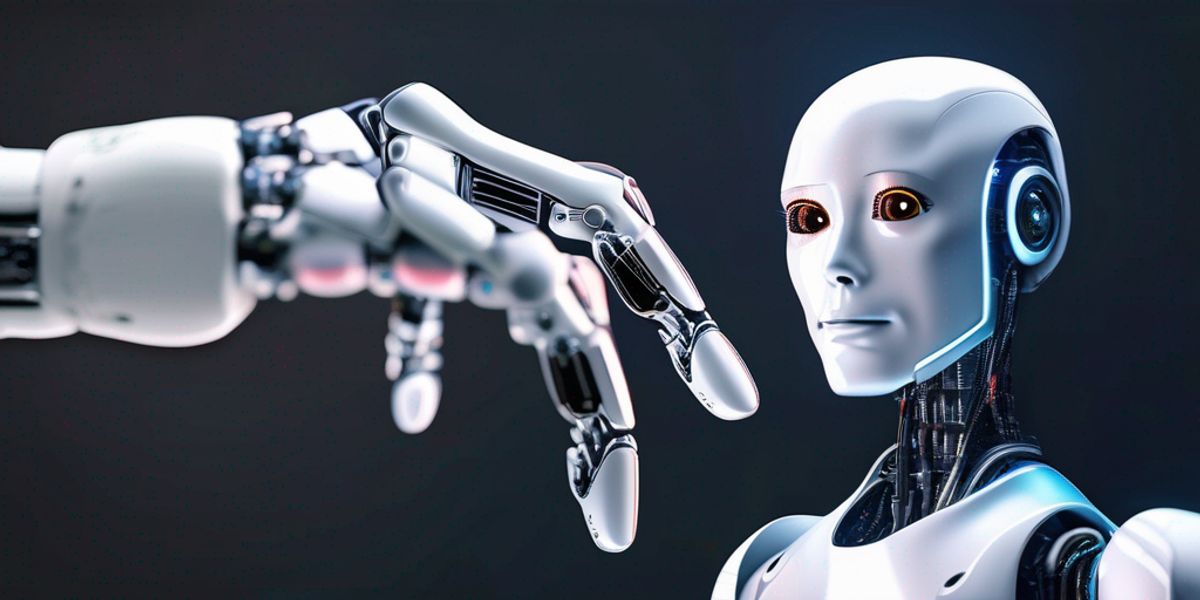
The Integration of AI in the Workforce
The integration of AI Technology into the workforce marks a pivotal shift in how industries operate and individuals perform their jobs. As AI systems become more sophisticated, they are not only automating routine tasks but also enhancing human capabilities, leading to unprecedented efficiency and productivity.
- Automation of repetitive tasks: AI excels at handling monotonous and time-consuming work, freeing up human workers for more complex and creative tasks.
- Decision-making support: Advanced analytics and machine learning provide insights that assist in making informed business decisions.
- Personalized training: AI-driven platforms can tailor training programs to individual employee needs, optimizing the learning process.
The synergy between human intelligence and AI is creating a dynamic work environment where the focus is shifting from manual labor to strategic and innovative thinking.
The challenge lies in ensuring a smooth transition that minimizes disruption and maximizes the potential of AI Technology. It is essential to foster a culture of continuous learning and adaptability, where workers are equipped with the skills to collaborate with AI systems effectively.
Biotechnology Breakthroughs and Their Societal Impact
The realm of biotechnology is experiencing a surge of advancements, thanks to AI’s ability to analyze complex biological data. These innovations are not only revolutionizing healthcare but also prompting significant societal shifts. For instance, gene editing techniques like CRISPR have opened doors to potentially curing genetic disorders, while personalized medicine is tailoring treatments to individual genetic profiles.
The intersection of AI and biotechnology is creating a landscape where ethical considerations are paramount. As we engineer solutions to age-old problems, the implications of such power warrant careful deliberation.
Biotechnology’s impact extends beyond healthcare into agriculture and environmental conservation. Here’s a glimpse into the transformative effects:
- Healthcare: Precision medicine, accelerated drug discovery, and advanced diagnostics.
- Agriculture: Crop yield optimization, pest resistance, and sustainable farming practices.
- Environment: Biodiversity preservation, bioremediation, and synthetic biology for ecosystem management.
As we navigate these breakthroughs, it’s crucial to balance innovation with responsibility, ensuring that the benefits of biotechnology are accessible to all and safeguarded against misuse.
Quantum Computing: Reshaping Data Processing
Quantum computing stands at the forefront of revolutionizing data processing. Unlike classical computers, which use bits to process information, quantum computers use quantum bits, or qubits, to perform calculations at speeds previously unimaginable. This leap in computational power is poised to solve complex problems that are currently intractable for traditional systems.
The potential applications of quantum computing are vast and varied, ranging from cryptography to climate modeling. As we harness this technology, we can expect breakthroughs in fields such as material science, pharmaceuticals, and financial modeling.
- Cryptography: Ensuring secure communication.
- Climate modeling: Predicting weather patterns and climate change.
- Material science: Discovering new materials with desired properties.
- Pharmaceuticals: Accelerating drug discovery and development.
- Financial modeling: Optimizing portfolios and risk assessment.
The integration of quantum computing into our data-centric world signifies a paradigm shift in how we approach problem-solving. Its influence extends beyond mere speed, introducing new ways to analyze and interpret the vast amounts of data generated daily. As quantum computing continues to develop, it will become an indispensable tool for innovation and progress.
Renewable Energy Innovations and Environmental Sustainability
The relentless pursuit of renewable energy innovations is a cornerstone in the battle against environmental degradation. Bold strides in technology are enabling a sustainable transformation of our energy systems. This shift is not only pivotal for reducing greenhouse gas emissions but also for ensuring a stable and resilient energy supply for future generations.
- Advances in solar panel efficiency
- Breakthroughs in wind turbine technology
- Development of scalable energy storage solutions
- Integration of smart grids for optimized energy distribution
The synergy between AI and renewable energy is unlocking new potentials in environmental sustainability. AI’s predictive analytics and machine learning capabilities are optimizing energy production, distribution, and consumption, leading to a more efficient and eco-friendly world.
As we move forward, the focus on renewable energy must intensify. The table below highlights the recent growth in renewable energy sources, underscoring the importance of continued innovation and investment:
| Year | Solar (GW) | Wind (GW) | Hydro (GW) |
|---|---|---|---|
| 2020 | 580 | 650 | 1210 |
| 2021 | 630 | 690 | 1225 |
| 2022 | 680 | 740 | 1240 |
The data reflects a positive trend, yet the urgency to accelerate these efforts remains. It is imperative that we not only champion the development of new technologies but also support policies and initiatives that promote the adoption of renewable energy on a global scale.
Climate Change and Sustainability: A Global Endeavor
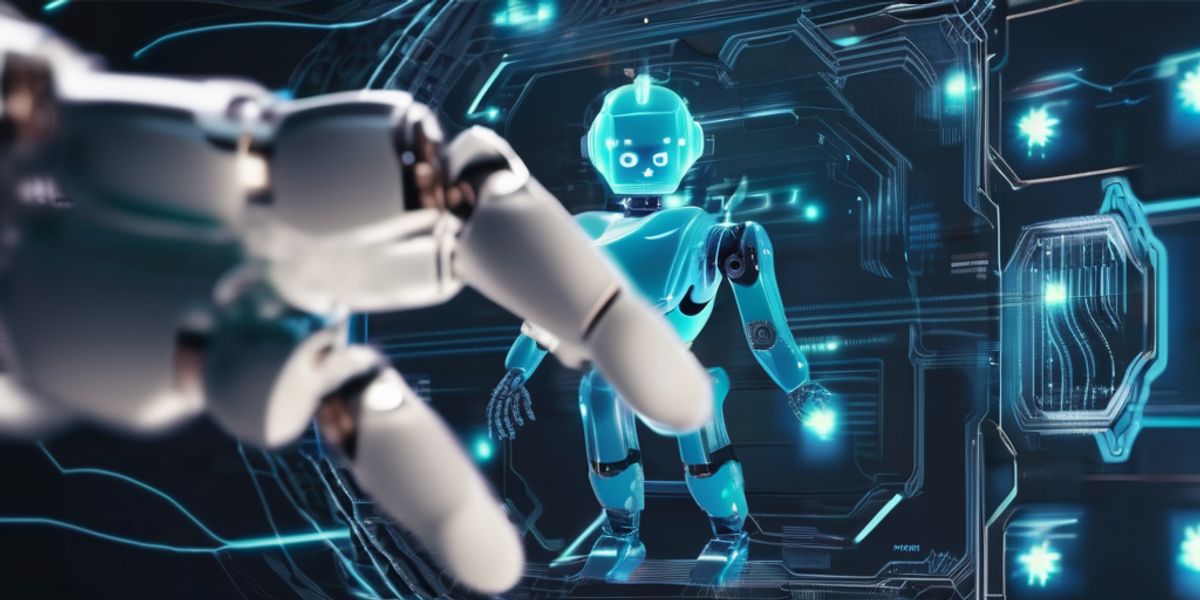
AI-Driven Solutions for Environmental Challenges
As the urgency of climate change intensifies, AI-driven solutions are emerging as pivotal tools in the battle for environmental sustainability. Harnessing the power of machine learning and data analytics, AI is enabling more accurate climate modeling, resource management, and the development of smart infrastructure.
AI technologies are optimizing renewable energy systems, from predicting wind patterns to enhance wind farm efficiency to managing solar panel distribution networks. These innovations are not only reducing carbon footprints but also paving the way for a cleaner, more sustainable future.
The following list highlights key areas where AI is making an impact:
- Climate Prediction: Enhancing the accuracy of weather and climate forecasting to better prepare for extreme events.
- Resource Optimization: Streamlining water and energy usage in agriculture and manufacturing.
- Ecosystem Monitoring: Utilizing drones and satellite imagery to monitor wildlife and forest health.
- Pollution Control: Analyzing data to improve air quality and reduce emissions.
As we continue to confront the challenges posed by climate change, the integration of AI into our environmental strategies offers a beacon of hope. It is a testament to human ingenuity and our commitment to preserving the planet for future generations.
Innovations in Sustainable Practices and Renewable Energy
JSON
Collaborative Efforts to Reduce Carbon Emissions
The battle against climate change is not one to be fought in isolation. Collaborative efforts across nations and industries are essential to significantly reduce carbon emissions. Governments, corporations, and communities are coming together to create impactful strategies that leverage AI technology for a greener future.
- International agreements, like the Paris Accord, set ambitious targets for emission reductions.
- Corporate sustainability programs are increasingly adopting AI to optimize energy use.
- Grassroots movements are utilizing data analytics to drive local environmental initiatives.
In this collective pursuit, the synergy of human innovation and AI’s analytical prowess is key to developing effective solutions that curb carbon footprints on a global scale.
The success of these collaborations can be measured by the tangible outcomes they produce. For instance, the transition to renewable energy sources is accelerated by AI algorithms that predict weather patterns and optimize grid performance. The table below highlights the progress in renewable energy adoption:
| Year | Renewable Energy Capacity (GW) |
|---|---|
| 2020 | 2,500 |
| 2025 | 3,000 |
| 2030 | 4,000 |
As we continue to innovate and unite in our efforts, the goal of a sustainable, low-carbon future becomes increasingly attainable.
Healthcare Advances: Prolonging and Improving Lives
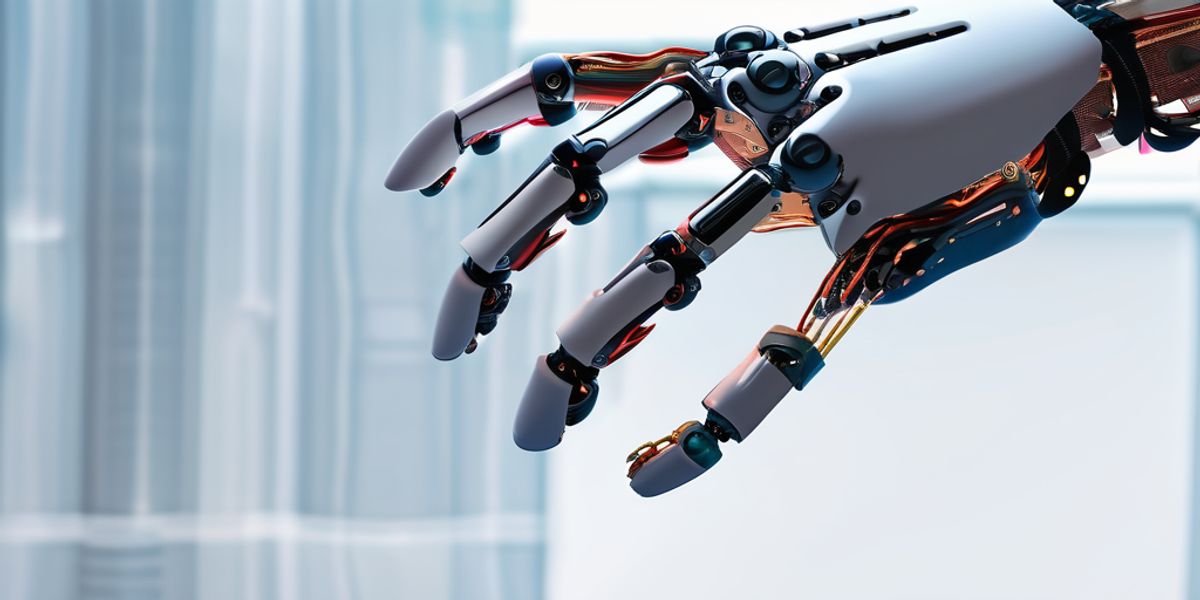
AI in Medical Science: A New Era of Personalized Medicine
The advent of AI in medical science heralds a new era of personalized medicine, where treatments and healthcare plans are tailored to the individual’s genetic makeup, lifestyle, and environment. AI’s predictive analytics and machine learning algorithms are revolutionizing diagnosis and treatment plans, leading to more effective and efficient healthcare.
- Early Detection: AI can analyze vast datasets to identify patterns that may indicate the onset of diseases before symptoms appear.
- Treatment Customization: Leveraging genetic information, AI can help in designing personalized treatment regimens.
- Drug Development: AI accelerates the discovery of new drugs by predicting how different drugs will interact with various genetic markers.
In this transformative age, the convergence of AI with genomics and biotechnology is not just enhancing the precision of medical interventions but is also significantly reducing the time and cost associated with traditional healthcare processes.
The integration of AI into healthcare is not without challenges. Data privacy, security, and ethical considerations remain at the forefront of this technological revolution. As we navigate these waters, the potential for AI to improve patient outcomes and transform healthcare is immense.
Improving Healthcare Accessibility Through Technology
The advent of AI technology heralds a new era in healthcare accessibility, breaking down barriers that have long prevented equitable access to medical services. AI-driven platforms are democratizing healthcare, enabling remote diagnostics and telemedicine services that reach underserved populations. This shift not only improves access but also reduces the strain on traditional healthcare systems.
- Telemedicine: Virtual consultations and remote monitoring.
- AI Triage Systems: Prioritizing patient care efficiently.
- Mobile Health Applications: Personal health tracking and management.
- Electronic Health Records (EHRs): Streamlined patient data access.
The integration of AI into healthcare is not just a technological upgrade; it is a fundamental reimagining of how medical care is delivered and received. By leveraging AI, we are witnessing a reduction in healthcare disparities and a move towards a more inclusive health ecosystem.
The table below illustrates the impact of AI on healthcare accessibility:
| Technology | Benefit | Impact |
|---|---|---|
| Telemedicine | Reduces travel for patients | Increased access |
| AI Triage Systems | Optimizes emergency care | Enhanced efficiency |
| Mobile Health Apps | Encourages proactive health management | Improved patient engagement |
| EHRs | Simplifies record-keeping | Better continuity of care |
As we continue to navigate the complexities of healthcare, technology stands as a beacon of hope, promising a future where quality medical care is a right, not a privilege.
The Role of AI in Extending Lifespans and Enhancing Quality of Life
Artificial Intelligence (AI) is poised to revolutionize healthcare, offering the potential to both extend human lifespans and significantly enhance the quality of life. AI-driven diagnostics and treatments are enabling earlier detection of diseases and more personalized care, which can lead to better outcomes and longer lives.
- Predictive Analytics: AI can analyze vast amounts of medical data to predict health issues before they arise.
- Precision Medicine: Tailored treatments and drug development are made possible through AI’s data-crunching capabilities.
- Robotic Surgery: Enhanced precision and reduced recovery times are benefits of AI-assisted surgical procedures.
- Remote Monitoring: Wearable technology and remote sensors allow for continuous patient monitoring, alerting healthcare providers to potential problems quickly.
The integration of AI in healthcare is not just about treating illness; it’s about fostering an ecosystem where preventive care and ongoing health management are the norms, leading to a healthier society overall.
As we navigate the complexities of integrating AI into healthcare, it is essential to consider not only the technological possibilities but also the ethical implications. Ensuring equitable access to these life-enhancing technologies will be a critical challenge to address.
Navigating the Ethical and Existential Questions of AI Technology

Addressing Privacy Concerns and Data Analytics
In the era of AI Chat and other AI-driven technologies, privacy concerns are at the forefront of the public consciousness. The collection and analysis of vast amounts of personal data by AI systems pose significant privacy risks. To mitigate these risks, a multi-faceted approach is essential.
- Transparency in data collection and use must be prioritized to build trust with users.
- Consent mechanisms should be robust and user-friendly, ensuring individuals have control over their data.
- Security measures must be state-of-the-art to prevent unauthorized access and data breaches.
- Regulatory compliance is non-negotiable, with AI systems designed to adhere to global privacy standards.
The intersection of AI and data analytics offers unparalleled opportunities for personalization and efficiency. However, without diligent attention to privacy, the benefits could be overshadowed by the erosion of user trust.
As we navigate the future, it is imperative that developers, corporations, and legislators work in tandem to establish practices that protect individual privacy without stifling innovation. The balance between technological advancement and privacy rights will define the ethical landscape of AI technology.
Combating Algorithmic Bias and Discrimination
The quest to combat algorithmic bias and discrimination is a cornerstone in the ethical development of AI technology. Ensuring fairness in AI systems is not just a technical challenge but a societal imperative. AI Image recognition, for instance, has faced scrutiny for bias, prompting a reevaluation of data sets and algorithms.
- Identification of biased data sets
- Development of unbiased algorithms
- Continuous monitoring for discriminatory patterns
The integration of diverse perspectives and inclusive data is crucial in the creation of equitable AI systems.
As AI continues to evolve, the responsibility to address and prevent bias must be shared among developers, regulators, and users. The establishment of transparent practices and the inclusion of multidisciplinary teams are vital steps towards a future where AI serves all of humanity equitably.
Establishing Robust Legal Frameworks for AI Governance
As Artificial Intelligence (AI) continues to evolve, the necessity for establishing robust legal frameworks to govern its use becomes increasingly imperative. These frameworks are essential to safeguard individual rights, maintain public trust, and ensure that AI systems operate within ethical boundaries.
- Transparency in AI operations and decision-making processes.
- Accountability for AI actions and their societal impact.
- Privacy protection to secure personal data against misuse.
- Fairness to prevent algorithmic bias and discrimination.
The creation of comprehensive AI legislation will be a cornerstone in fostering an environment where technology can advance while respecting human values and societal norms.
The task ahead is complex, involving multiple stakeholders from policymakers to technologists. It requires a collaborative approach to balance innovation with regulation, and to adapt legal structures to the dynamic nature of AI advancements.
Revolutionizing Humanity: 2045 Tech Advancements & AI Growth

Predicting the Unpredictable: AI’s View on the Next 30 Years
As we stand on the brink of a new era, the role of Artificial Intelligence (AI) in shaping the future cannot be overstated. The next three decades are expected to witness a seismic shift in the landscape of technology, with AI at the forefront of this transformation. The potential of AI to revolutionize various sectors is immense, from healthcare to environmental sustainability, and beyond.
- Healthcare: AI is anticipated to lead to groundbreaking personalized medicine, making treatments more effective and tailored to individual genetic profiles.
- Environment: AI-driven solutions could significantly mitigate the effects of climate change by optimizing energy consumption and reducing waste.
- Economy: The integration of AI in industries is likely to boost economic growth, creating new job opportunities while also displacing some traditional roles.
The rapid evolution of AI technology presents a dual-edged sword; while it promises unparalleled advancements, it also introduces complex ethical and governance challenges that must be addressed with foresight and responsibility.
The coming years will be pivotal in determining how AI will integrate with human intelligence, potentially leading to a symbiotic relationship that enhances both cognitive capabilities and machine efficiency. The trajectory of this partnership will be instrumental in defining the contours of our future society.
The Synergy of AI and Human Intelligence: A New Dawn
As we embrace the next 30 years, the fusion of AI and human intelligence heralds a new era of innovation and problem-solving. The collaboration between human creativity and AI’s computational power is unlocking potentials previously deemed unattainable.
- AI augments human decision-making, providing insights drawn from vast data sets.
- Human empathy and ethical reasoning guide AI applications, ensuring they serve the greater good.
- Together, they accelerate research and development, leading to rapid advancements in various fields.
The synergy of AI and human intelligence is not just about enhancing efficiency; it’s about creating a partnership that transcends the limitations of each.
This partnership is poised to revolutionize industries, from healthcare to education, and redefine our approach to global challenges. As AI becomes more integrated into our daily lives, the importance of this synergy will only grow, making it an essential component of our collective future.
AI in Everyday Life: From Convenience to Necessity
The transition of AI from a mere convenience to an indispensable part of our daily lives is a testament to its pervasive growth. AI Text generation tools, for instance, have revolutionized content creation, making it more efficient and accessible.
The ubiquity of AI in everyday scenarios is no longer a futuristic prediction but a present-day reality. Its integration into home automation, personal assistants, and even decision-making processes underscores its necessity.
The following points illustrate how AI has woven itself into the fabric of daily life:
- Personalization: AI tailors experiences to individual preferences, from news feeds to product recommendations.
- Automation: Routine tasks are automated, freeing up time for creative and strategic endeavors.
- Assistance: Virtual assistants powered by AI provide help with scheduling, reminders, and information retrieval.
- Security: Enhanced security protocols use AI to detect and respond to threats more effectively.
- Healthcare: AI-driven diagnostics and treatment plans offer personalized care and improved patient outcomes.
As AI continues to evolve, the line between technology-assisted and technology-dependent living will increasingly blur. The challenge lies in ensuring that this transition benefits society as a whole, without widening existing divides or creating new ones.
Conclusion
As we peer into the horizon of the next 30 years, it is clear that AI technology will be at the forefront of shaping our world. From revolutionizing industries to tackling climate change, and from advancing healthcare to addressing ethical dilemmas, AI’s influence is both promising and profound. The journey ahead requires us to navigate with foresight and responsibility, ensuring that the benefits of AI are harnessed ethically and equitably. The future is not just something that happens to us, but something we can actively shape with the thoughtful integration of AI into the fabric of society. As we continue to explore and understand AI’s potential, we must also commit to steering its development in ways that enhance our collective well-being and safeguard our shared values.
Frequently Asked Questions
How is AI expected to transform industries and daily lives in the next 30 years?
AI is anticipated to fundamentally reshape industries and daily life by driving breakthroughs in various sectors such as biotechnology, quantum computing, and renewable energy, redefining the way we work, communicate, and exist.
What role will AI play in addressing climate change and sustainability?
AI will be crucial in fostering sustainability, with AI-driven solutions aiding in combating environmental degradation, innovating sustainable practices, and promoting renewable energy to shape a more eco-conscious future.
What advancements in healthcare can we expect from AI technology?
The integration of AI in healthcare promises advancements in medical science, personalized medicine, and improved accessibility, potentially leading to longer and healthier lives as AI becomes integral to healthcare.
What ethical considerations arise with the advancement of AI?
The advancement of AI brings ethical considerations such as privacy concerns from AI-driven data analytics, the need to address algorithmic bias, and the imperative to establish robust legal frameworks for responsible AI development.
How can AI influence the future of renewable energy and environmental sustainability?
AI is expected to influence the future of renewable energy and environmental sustainability by optimizing energy systems, predicting environmental changes, and aiding in the development of innovative, sustainable technologies.
What is the potential impact of AI on the workforce?
AI’s impact on the workforce includes the automation of routine tasks, the creation of new job categories, and the need for upskilling and reskilling to adapt to AI-integrated work environments.