
Artificial Intelligence (AI) is rapidly transforming industries by enhancing efficiency and driving innovation. In the realm of renewable energy, smart buildings, and business operations, AI is not just an enabler but a game-changer. This article delves into the multifaceted impact of AI technology, showcasing how it revolutionizes various sectors, optimizes workflows, and promises a sustainable energy future. We explore practical applications, such as those by SparkCognition, and the broader implications of AI’s integration across industries. AI Technology Efficiency
Key Takeaways
- AI is revolutionizing the renewable energy sector by streamlining operations, enhancing grid stability, and optimizing workflows for increased efficiency and reliability.
- Smart buildings are becoming more energy-efficient through the integration of AI with smart meters and IoT, enabling real-time energy optimization and cost reduction.
- AI automation is transforming business operations by improving workflow efficiency, providing growth insights, and increasing accuracy and agility in the marketplace.
- The future of energy is intertwined with AI, as it optimizes energy generation, improves equipment reliability with predictive maintenance, and reduces greenhouse gas emissions.
- Across industries, AI and Machine Learning are reshaping business models, driving innovation, and transforming everyday life with their widespread and versatile applications.
Revolutionizing Renewable Energy with AI
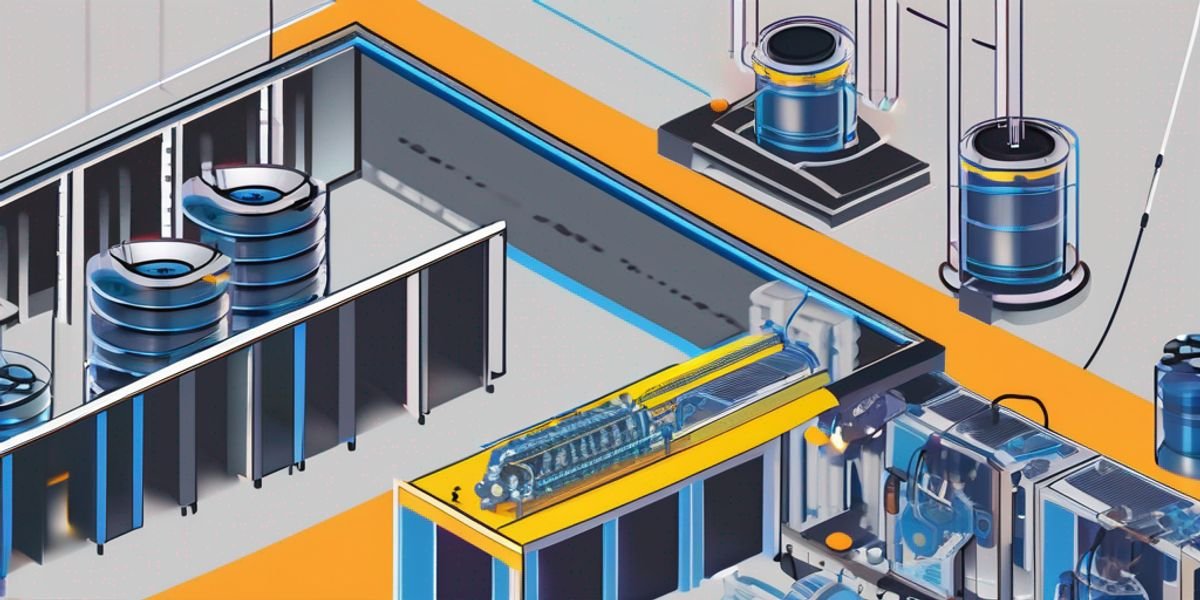
Streamlining Operations with Predictive Analytics. AI Technology Efficiency.
The integration of AI into renewable energy operations marks a transformative leap, enabling a shift from reactive to predictive management. By leveraging AI’s predictive analytics, the industry can anticipate and address potential issues before they escalate, ensuring a more reliable and efficient energy supply.
- Predictive analytics in renewable energy can forecast equipment failures, allowing for preemptive maintenance.
- AI algorithms analyze weather patterns to optimize energy production from solar and wind sources.
- Energy demand forecasting helps to balance supply and demand, reducing waste and improving grid stability.
The synergy of AI with renewable energy not only streamlines workflows but also enhances the sustainability of operations. It’s a proactive approach that transforms the very nature of energy management.
Furthermore, companies like AVEVA demonstrate the power of AI in revolutionizing operations. Their AI-driven Predictive Analysis platform identifies asset anomalies well in advance, exemplifying how AI can be a game-changer in operational efficiency.
Enhancing Grid Stability and Energy Distribution
The advent of smart grids has marked a significant milestone in the quest for enhanced grid stability and efficient energy distribution. These advanced systems, powered by AI and machine learning (ML), are pivotal in managing the dynamic demands of today’s energy landscape. By leveraging predictive analytics, smart grids anticipate and adapt to fluctuations in energy supply and demand, ensuring a consistent and reliable flow of power.
- Smart grids utilize AI to offer incentives for electricity demand adjustments, crucial for balancing grids with variable renewable sources like wind and solar PV.
- AI-driven grid management systems improve the resilience of energy infrastructure, adapting in real-time to changing consumption patterns.
- The integration of cloud-connected AI technologies, including ML, data analytics, and IoT, advances the capabilities of energy storage and distribution.
The optimization of energy storage and distribution through AI not only streamlines operations but also supports the transition to more sustainable energy practices. AI guides the strategic release and distribution of energy, particularly from intermittent renewable sources, to maximize efficiency and minimize waste.
As AI continues to evolve, its role in optimizing the storage and distribution of energy from renewable sources becomes increasingly critical. Algorithms that monitor demand, supply, price, and grid conditions enable businesses to make informed decisions on energy storage and release, aligning with the goal of a more sustainable and resilient energy future.
AI-Driven Workflow Optimization in Clean Energy
The integration of AI in clean energy operations marks a significant leap towards achieving unparalleled efficiency. AI’s ability to analyze vast datasets is pivotal in identifying performance bottlenecks and areas for improvement, ensuring a data-driven approach to workflow optimization. This not only streamlines workflows but also enhances reliability through proactive issue detection and resolution.
The synergy between AI and renewable energy initiatives is not just about efficiency; it’s about redefining reliability and sustainability in energy production.
By transitioning from reactive problem-solving to a predictive model, the sector is empowered to preemptively address potential disruptions, thereby maintaining continuous and dependable energy production. The table below illustrates the impact of AI on key operational metrics:
| Metric | Before AI | After AI |
|---|---|---|
| Issue Detection Time | 48 hours | 2 hours |
| System Downtime | 10% | 2% |
| Energy Yield | 85% | 92% |
As the renewable energy landscape embraces AI innovations, the vision of a sustainable energy future becomes increasingly tangible. The commitment to efficiency and dependability through AI-driven workflow optimization is a testament to the industry’s transformative journey.
AI: The Catalyst for Smart Building Efficiency

Integrating Smart Meters and IoT for Energy Management
The advent of smart grid technologies has been a cornerstone in the evolution of energy management. These systems, powered by AI, are pivotal in coordinating, storing, and distributing energy from various sources into a consistent and reliable stream. The integration of smart meters and IoT devices plays a crucial role in this transformation, enabling a more responsive and efficient grid.
- Smart meters provide real-time data on energy consumption, allowing for more precise billing and energy use insights.
- IoT devices facilitate the remote monitoring and control of energy systems, enhancing the ability to respond to changes in demand.
- Predictive analytics, driven by machine learning, forecast high-demand strains, ensuring a balanced distribution across plants and substations.
The strategic implementation of AI in smart grids signifies a leap towards a sustainable energy future. It’s not just about optimization—it’s about shaping a resilient infrastructure that can adapt to the ever-changing energy landscape.
Cloud-connected AI technologies such as machine learning, data analytics, and IoT are advancing the capabilities of smart grids. This allows for intricate power generation and distribution systems that can self-regulate and communicate effectively, ensuring that energy distribution is not only efficient but also aligns with the shift towards cleaner, more sustainable practices.
Predictive Algorithms for Operational Cost Reduction
The integration of AI Technology into operational frameworks has been a pivotal factor in reducing costs across various industries. AI-driven predictive algorithms are at the forefront of this transformation, enabling businesses to anticipate and mitigate potential issues before they escalate. This proactive approach not only streamlines processes but also significantly lowers the risk of costly downtime.
By harnessing the power of AI Text and AI Image analysis, companies can delve into the granular aspects of their operations. This deep dive into data reveals optimization opportunities that were previously obscured by the complexity of large datasets.
Here’s how AI predictive algorithms impact operational cost reduction:
- Early detection of system inefficiencies or failures
- Optimization of maintenance schedules to avoid unnecessary expenses
- Real-time adjustments to operations based on predictive insights
- Strategic resource allocation to maximize productivity and minimize waste
The benefits of AI in operational cost reduction are not limited to large corporations. Small and medium-sized enterprises can also leverage these advanced tools to tailor customer experiences and make agile decisions, previously a luxury afforded only to larger entities. The transformative effect of AI extends beyond operational efficiency, ushering in an era of personalized service and strategic agility.
Real-time Monitoring and Data-Driven Energy Optimization
The integration of AI technology in real-time monitoring systems has marked a significant leap forward in energy optimization. AI Chat interfaces are now pivotal in interpreting complex data streams, enabling instantaneous decision-making that aligns with energy demands and operational efficiency. This real-time capability ensures that energy distribution is managed with unprecedented precision, reducing waste and enhancing sustainability.
The synergy between AI and real-time data analytics paves the way for a more resilient and efficient energy sector. By leveraging AI’s computational power, energy providers can dynamically adjust to changing conditions, ensuring optimal performance and cost-effectiveness.
The table below illustrates the impact of AI on key performance indicators (KPIs) in the energy sector:
| KPI | Pre-AI Implementation | Post-AI Implementation |
|---|---|---|
| Energy Efficiency | Moderate | High |
| Operational Costs | High | Reduced |
| Grid Stability | Variable | Enhanced |
| Renewable Integration | Limited | Extensive |
- AI-driven asset management in clean energy operations has revolutionized the way we approach energy storage and distribution.
- Demand Response Management (DRM) is now more effective with AI, optimizing electricity consumption and securing grid stability.
- The implementation of AI technologies in workflow optimization identifies performance bottlenecks, driving the clean energy sector towards a more efficient future.
Transforming Business Operations with AI Automation
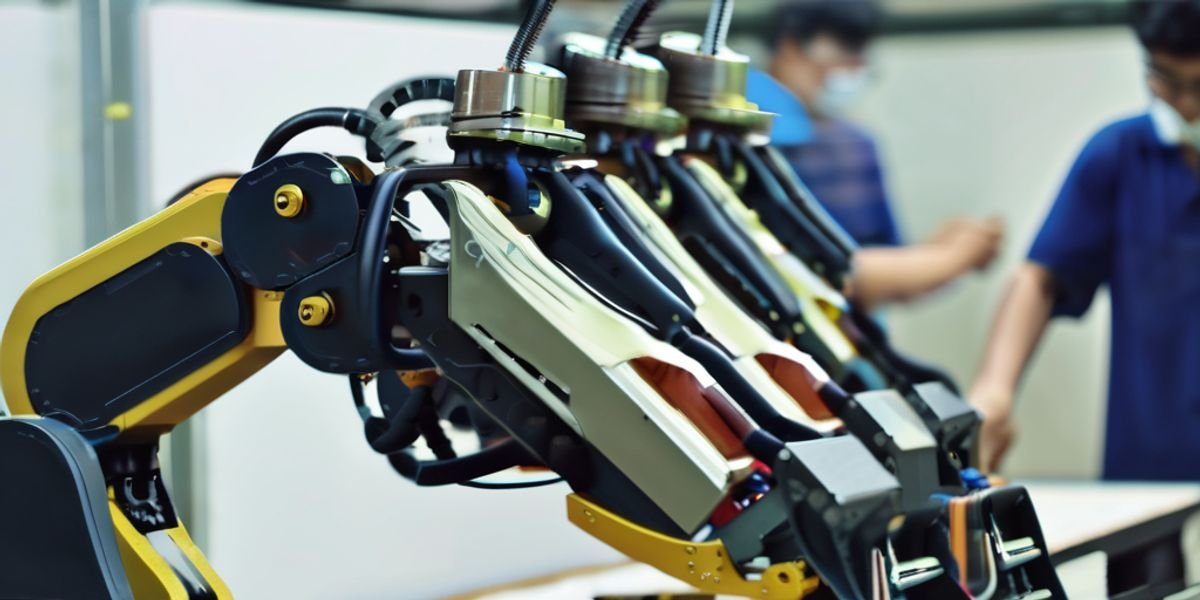
Optimizing Small Business Workflows
The integration of AI-driven automation into small business operations is a transformative step towards heightened efficiency and strategic growth. AI technologies enable the automation of routine tasks, freeing up valuable time for entrepreneurs to focus on core business activities. By leveraging data for enhanced decision-making, small businesses can now deliver personalized customer experiences, once a luxury only large corporations could afford.
The benefits of AI in optimizing small business workflows are numerous:
- Enhancing content strategy
- Generating personalized product recommendations
- Analyzing customer reviews
- Drafting tailored proposals
- Providing customer service through instant responses and automated chatbot interactions
The pathway to optimized operations through AI not only streamlines tasks but also drives substantial growth. Small businesses gain a competitive edge by adopting AI, which offers a cost-effective solution to improve decision-making and customer engagement.
In conclusion, the adoption of AI automation is a crucial strategy for small businesses aiming to increase efficiency, accuracy, and agility. While the journey towards AI integration may present challenges, the undeniable benefits include improved decision-making, increased efficiency, and the ability to offer personalized customer experiences. For small businesses, AI is not just a tool for innovation but a necessary ally in the quest to reduce costs and enhance market competitiveness.
Driving Growth Through Machine Learning Insights
In the era of digital transformation, machine learning (ML) insights are pivotal in driving business growth. By harnessing the power of ML, companies can uncover patterns and predictions that inform strategic decisions, leading to increased efficiency and competitive advantage.
- Market Expansion: ML algorithms analyze market trends and consumer behavior, enabling businesses to identify new market opportunities.
- Customer Personalization: Insights from ML help tailor experiences to individual customer preferences, boosting satisfaction and loyalty.
- Operational Efficiency: Predictive analytics optimize inventory management and supply chain logistics, reducing costs and improving service.
Embracing ML insights allows businesses to not only react to market changes but also to proactively shape their future. The agility afforded by these technologies ensures that businesses remain resilient and adaptable in a rapidly evolving marketplace.
The transformative impact of ML is quantifiable, with sectors like retail experiencing a surge in efficiency and profitability. For instance, the integration of real-time monitoring and shopper tracking through AI has revolutionized the retail experience, leading to a significant return on investment. As businesses continue to leverage ML insights, the trajectory of growth is not just upward but also sustainable, ensuring long-term success in the marketplace.
Enhancing Accuracy and Agility in the Marketplace
In the fast-paced world of commerce, AI-driven automation stands as a pivotal element in enhancing accuracy and agility. Businesses leveraging AI are experiencing a transformation in their operations, with machine learning algorithms providing insights that drive growth and resilience against market fluctuations.
- Adaptive and Agile Operations
- Real-time Data Analysis
- Predictive Maintenance
AI’s adaptability to changing market conditions, such as shifts in demand or supply chain disruptions, ensures that businesses remain competitive. This agility is reflected in the ability to maintain responsive production environments and optimize operations.
The integration of AI into business operations is not just a trend; it’s a strategic move towards operational excellence and market leadership.
The table below showcases the impact of AI on retail market growth and predictive maintenance efficiency:
| Aspect | Impact of AI Integration |
|---|---|
| Retail Market Growth (CAGR) | 23.9% through 2030 |
| Predictive Maintenance Benefits | 30-50% reduction in machine downtime |
| Asset Life Extension | 20-40% increase |
AI’s role in energy trading also highlights its capacity to process complex market dynamics and real-time data, enabling informed decision-making. As businesses continue to embrace AI, the benefits extend beyond operational efficiency to strategic advantages in the marketplace.
The Future of Energy: AI’s Expanding Role
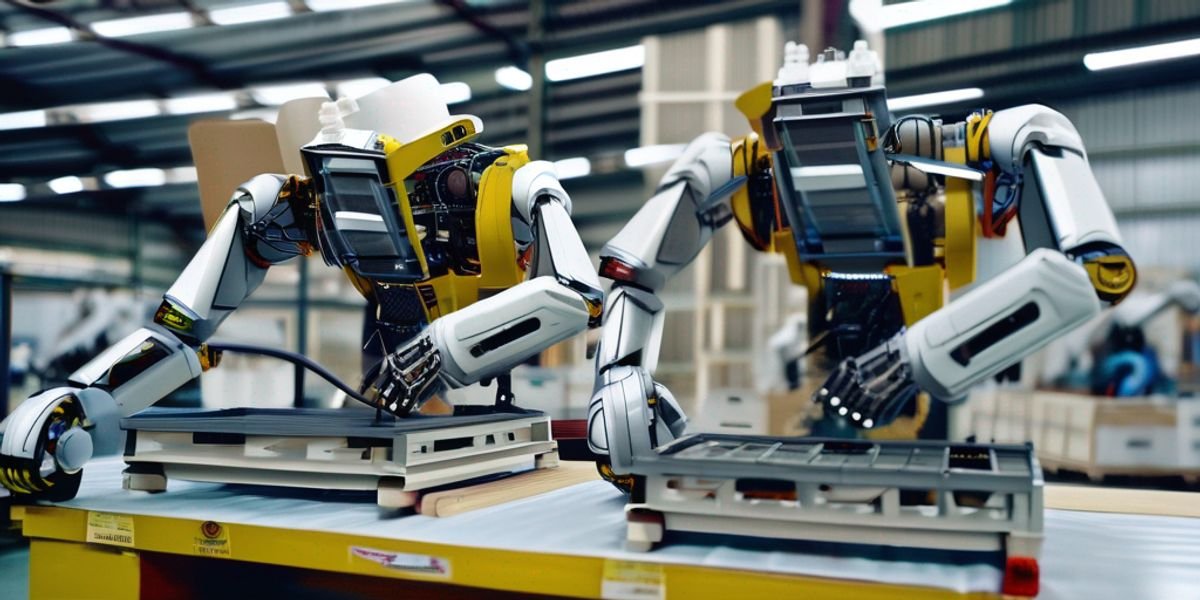
Optimizing Energy Generation and Consumption
The integration of AI in energy generation and consumption is a pivotal step towards a sustainable future. AI’s predictive capabilities enable a more efficient use of renewable energy sources, ensuring that energy is not only generated but also consumed in the most optimal way. By analyzing patterns in energy usage and production, AI systems can forecast demand and adjust supply accordingly, leading to significant improvements in energy efficiency.
- AI algorithms monitor demand, supply, price, and grid conditions.
- They guide the best times for energy storage and release.
- AI aids in managing intermittent energy sources like wind power.
The synergy between AI and renewable energy not only enhances operational efficiency but also paves the way for a greener, more sustainable energy landscape. The end users benefit from machine learning, which can provide predictive pricing and enable better energy management, contributing to lower energy bills and more efficient power generation planning.
The table below illustrates the impact of AI on key aspects of energy management:
| Aspect | Impact of AI |
|---|---|
| Energy Storage | Optimizes when and how much energy to store and release |
| Energy Trading | Facilitates better planning and efficient market operations |
As AI continues to evolve, its role in optimizing energy systems becomes increasingly critical, offering a blueprint for a future where energy is not only cleaner but also smarter and more responsive to our needs.
AI in Predictive Maintenance and Equipment Reliability
The integration of AI into predictive maintenance is transforming the way energy companies approach equipment reliability. AI’s ability to process and analyze vast amounts of data enables the early detection of patterns that may indicate potential equipment failures. This proactive approach to maintenance can significantly reduce downtime and extend the lifespan of machinery.
By leveraging machine learning algorithms, companies can optimize resource allocation, dynamically adjust production schedules, and enhance operational resilience. The result is a more efficient use of resources, minimizing operational costs and maximizing productivity.
Here’s how AI contributes to predictive maintenance:
- Early Anomaly Detection: AI systems can identify subtle changes in equipment behavior, signaling the need for maintenance before a failure occurs.
- Resource Optimization: Real-time data analysis allows for the efficient allocation of labor and materials, ensuring that maintenance is timely and effective.
- Adaptive Production Planning: AI-driven planning responds swiftly to changes, maintaining high levels of efficiency even under unforeseen circumstances.
The predictive capabilities of AI are not just theoretical; companies like AVEVA are already harnessing AI to foresee asset anomalies well in advance, safeguarding against unexpected equipment downtime. As AI continues to evolve, its role in ensuring equipment reliability and optimizing maintenance schedules is set to become even more pivotal.
Reducing Greenhouse Gas Emissions with AI Innovations
The integration of AI in the fight against climate change is proving to be a pivotal force in reducing greenhouse gas emissions. AI-assisted CO₂ capture technologies are enhancing the efficiency of carbon capture, utilization, and storage (CCUS) processes. Innovations in AI are enabling more rapid and accurate identification of potential CCUS sites, such as the Southern North Sea Triassic Bunter Sandstone, showcasing the potential for significant advancements in this field.
AI’s role in optimizing energy generation, distribution, and consumption is just the beginning. As AI evolves, its capacity to drive down emissions grows, marking a future filled with smarter, cleaner energy solutions.
The transformative impact of AI extends to smart buildings, where it collaborates with smart meters and IoT devices to provide real-time insights into energy consumption. This synergy allows for data-driven decisions that not only optimize energy usage but also contribute to lowering operational costs and emissions. The table below highlights the key areas where AI contributes to emission reductions:
| AI Application | Impact on Emissions |
|---|---|
| AI-driven Optimization | Reduces energy waste |
| Predictive Maintenance | Lowers emissions from equipment |
| Smart Grids | Balances supply and demand efficiently |
In conclusion, AI is not just reshaping how we manage energy but is also a critical ally in our quest to create a sustainable future with lower greenhouse gas emissions. The journey with AI at the helm is one of continuous improvement and innovation, leading to a cleaner, more efficient world.
Cross-Industry Impact of AI and Machine Learning
Reshaping Business Models with AI Integration
The integration of Artificial Intelligence (AI) into business operations is revolutionizing the way companies operate, offering unprecedented levels of efficiency and innovation. AI-driven automation is redefining the landscape for businesses of all sizes, empowering them to automate routine tasks, leverage data for enhanced decision-making, and significantly improve customer experiences.
In the face of an ever-evolving marketplace, small businesses, in particular, are finding AI to be a crucial ally. The journey towards AI integration, while challenging, opens up a plethora of opportunities:
- Streamlined operations: Automation of repetitive tasks frees up valuable time for strategic work.
- Data-driven insights: Machine learning algorithms analyze vast datasets to uncover trends and inform business decisions.
- Personalized customer experiences: AI enables businesses to tailor services and products to individual customer preferences.
- Cost reduction: By optimizing processes, AI helps in cutting down operational expenses.
The initial setup and understanding the complexities of AI can seem daunting. However, platforms like EY ASpace are bridging this gap by providing accessible AI and automation solutions tailored to specific business needs.
As AI continues to mature, its role in business model transformation becomes more integral. The benefits of improved decision-making, increased efficiency, and personalized customer experiences are undeniable, making AI not just a technological advancement but a strategic imperative for growth and innovation.
Innovative Applications of AI Across Sectors
The integration of Artificial Intelligence (AI) and Machine Learning (ML) technologies is not just a trend but a substantial pivot across various industry verticals. AI is redefining the landscape of business operations, offering unprecedented levels of efficiency and innovation. From healthcare to finance, and manufacturing to retail, the applications of AI are as diverse as they are transformative.
- Healthcare: AI-driven diagnostics, personalized treatment plans, and robotic surgeries.
- Finance: Fraud detection, algorithmic trading, and customer service chatbots.
- Manufacturing: Predictive maintenance, supply chain optimization, and quality control.
- Retail: Inventory management, customer behavior analysis, and personalized shopping experiences.
The synergy between AI and data analytics is crafting a new era of business intelligence, where decisions are not just data-driven but also predictive and proactive.
As AI continues to evolve, we witness more sophisticated applications that push the boundaries of what’s possible. The table below highlights a few key sectors and the innovative ways AI is being applied:
| Sector | AI Application | Outcome |
|---|---|---|
| Transportation | Autonomous vehicles | Increased safety, reduced congestion |
| Agriculture | Precision farming | Enhanced crop yield, resource conservation |
| Energy | Smart grid technology | Improved energy efficiency, lower costs |
The transformative journey of AI is not limited to enhancing current business models; it’s about creating new ones that can thrive in an increasingly digital world. As we look to the future, the role of AI in driving growth and sustainability becomes ever more apparent, marking it as a cornerstone of innovation across all sectors.
The Transformative Journey of AI in Everyday Life
The integration of Artificial Intelligence (AI) into our daily lives is no longer a futuristic concept, but a tangible reality that continues to unfold. AI’s ability to learn from data and improve over time is revolutionizing the way we interact with technology, making our lives more convenient and efficient. From personal assistants that manage our schedules to smart home devices that learn our preferences, AI is becoming an indispensable part of our daily routine.
- AI-powered personal assistants
- Smart home automation
- Tailored news and content curation
- Enhanced online shopping experiences
- Personalized learning and education platforms
The transformative power of AI is not just about the technology itself, but about how it enables us to live smarter, not harder. It’s about the seamless integration of AI into the fabric of our lives, enhancing our ability to make informed decisions and freeing up time for what truly matters.
As AI continues to evolve, it promises to deliver even more personalized and intuitive experiences. The journey of AI in everyday life is just beginning, and its potential to reshape our world is immense. Embracing this journey means recognizing the myriad ways AI can enhance our daily experiences, from simplifying tasks to providing insights that were once beyond our reach.
Conclusion
The integration of Artificial Intelligence (AI) across various industry verticals heralds a new era of efficiency and innovation. As we have explored, from renewable energy to smart buildings, AI’s capacity to analyze data, optimize workflows, and enhance operational reliability is not just transformative but pivotal for future growth. The examples of AI applications in energy optimization, predictive maintenance, and grid management underscore its potential to not only streamline operations but also to drive sustainability and reduce environmental impact. As industries continue to embrace AI and Machine Learning (ML), we stand on the brink of a technological revolution that promises to redefine efficiency and open up endless possibilities for advancement. The journey of AI is just beginning, and its trajectory points towards a smarter, more efficient, and sustainable future for all.
Frequently Asked Questions
How is AI transforming the renewable energy sector?
AI is revolutionizing the renewable energy sector by enhancing operational efficiency and reliability. For instance, companies like SparkCognition apply AI to streamline operations and increase dependability, leading to a more sustainable energy future.
What are some examples of industries that AI and ML have impacted?
AI and ML have significantly impacted various industries including energy, where they contribute to predictive maintenance, grid management, and optimization of energy consumption patterns, driving innovation and efficiency.
In what ways does AI contribute to smart building efficiency?
AI contributes to smart building efficiency by integrating with smart meters and IoT devices to provide real-time consumption insights. This enables data-driven decisions that optimize energy usage and reduce operational costs.
What is the role of AI in workflow optimization for clean energy?
AI plays a crucial role in workflow optimization for clean energy by analyzing vast datasets to identify performance bottlenecks and improvement areas, leading to more efficient and reliable renewable energy development.
How does AI automation benefit small businesses?
AI automation benefits small businesses by optimizing operations, enhancing accuracy, and driving growth. It provides a competitive edge in the marketplace by enabling businesses to adapt and thrive in an ever-evolving environment.
What is the future potential of AI in the energy industry?
The future potential of AI in the energy industry includes further optimization of energy generation, distribution, and consumption, improving the efficiency of renewable sources, enhancing grid stability, and reducing greenhouse gas emissions.