
Artificial intelligence (AI) aims to enable machines to learn, think, and act independently, surpassing traditional rule-based programming. This field has seen significant advancements due to powerful computing, extensive datasets, and sophisticated algorithms, impacting various aspects of our lives, including healthcare, finance, and transportation. AI is embodied in machine learning, deep learning, natural language processing, and computer vision, and holds the potential to transform our daily experiences and capabilities. AI Technology Trends
Key Takeaways
- AI has evolved from simple rule-based tasks to the pursuit of general intelligence, aspiring to mimic human cognitive abilities.
- The integration of AI in industries is revolutionizing business operations, enhancing efficiency, and reshaping the job market.
- Legal and ethical considerations are crucial as AI becomes more prevalent, necessitating clear regulations and respect for human rights.
- Healthcare is experiencing a significant transformation with AI’s application in diagnostics, treatment, and personalized medicine.
- Future AI trends suggest further advancements in predictive analytics, workplace automation, and a redefinition of what constitutes intelligence.
The Evolution of AI: From Narrow to General Intelligence

Understanding Narrow AI and Its Current Applications
Narrow AI, often referred to as Weak AI, excels in performing specific tasks by utilizing algorithmic foundations to analyze data and make decisions within its programmed capabilities. Despite its designation as ‘narrow’, this form of AI has led to remarkable feats, often outperforming humans in specialized domains.
Practical applications of Narrow AI are ubiquitous in today’s technological landscape. Digital voice assistants such as Siri and Alexa, which have become integral to our daily routines, are powered by Narrow AI. These systems demonstrate their prowess by efficiently categorizing data and responding to user queries with remarkable speed. Similarly, search engines like Google leverage Narrow AI to sift through vast datasets and deliver relevant results swiftly.
Narrow AI operates within a defined scope, enabling it to solve problems effectively within its area of expertise. This specialization is evident in applications where pre-programmed rules and strategies are paramount, such as in gaming AI.
The following list highlights key areas where Narrow AI is currently making an impact:
- Digital Assistants: Voice-activated help for everyday tasks
- Search Engines: Rapid information retrieval and classification
- Gaming: Advanced strategy and decision-making capabilities
- Fraud Detection: Identifying irregular patterns in financial transactions
- Predictive Maintenance: Forecasting equipment failures in industrial settings
As we continue to harness the power of Narrow AI, it is essential to recognize its role in shaping the technological advancements that define our era. While it may not possess the adaptive learning and general problem-solving abilities of Strong AI, Narrow AI’s contributions to efficiency and precision in various sectors are invaluable.
The Aspirations and Challenges of Achieving Strong AI
The journey towards Strong AI represents a leap from machines performing specific tasks to exhibiting cognitive abilities akin to human thought. The ultimate goal is to create systems that can understand, learn, and apply knowledge in a general context, much like humans do. The progress in this field is marked by significant milestones, such as AI’s triumphs in chess and video game competitions, showcasing its capability to navigate complex instructions and patterns.
However, the path to Strong AI is fraught with challenges:
- Ensuring AI systems can generalize from prior knowledge to new, unforeseen situations.
- Developing AI that can not only replicate but also innovate human-like thought processes.
- Balancing the advancement of AI with ethical considerations and global governance.
The aspiration for Strong AI is not just about technological prowess but also about the harmonious integration of AI into society, ensuring it serves the greater good while respecting human values.
Despite the hurdles, the iterative improvement of AI, often termed Weak AI, lays the groundwork for more sophisticated systems. This continuous refinement, powered by data and real-world applications, propels AI towards a future where it could potentially match human intelligence.
Comparative Analysis: Human Cognition vs. AI Systems
The journey of AI from mimicking basic human tasks to aspiring for general intelligence marks a pivotal shift in technology. The quest for general AI, which can solve complex problems with ambiguous success criteria, is still an aspirational objective. Unlike Narrow AI, which excels in specific tasks, a Strong AI with human-like cognition would adapt prior knowledge to new situations, akin to human learning.
The imitation of human intelligence in machines is a defining aspect of AI, evolving to benefit numerous industries. Machines are programmed using interdisciplinary methods, integrating various approaches from formal logic to statistical machine learning.
The following table contrasts key attributes of human cognition and AI systems:
| Attribute | Human Cognition | AI Systems |
|---|---|---|
| Learning | Experiential, adaptive | Data-driven, pattern recognition |
| Problem Solving | Intuitive, abstract | Algorithmic, specific |
| Adaptability | High, versatile | Varies, often limited |
| Creativity | Innate, emotional | Simulated, rule-based |
AI research has historically employed diverse methodologies, from brain simulation to animal behavior emulation. The 21st century’s focus on statistical machine learning has led to significant advancements, yet the replication of human intelligence’s full spectrum remains a challenge. As AI progresses, tasks once deemed ‘intelligent’ are reclassified, underscoring the evolving nature of what we consider intelligence.
AI in Industry: Revolutionizing Business and Economy
Automation and Job Market Dynamics
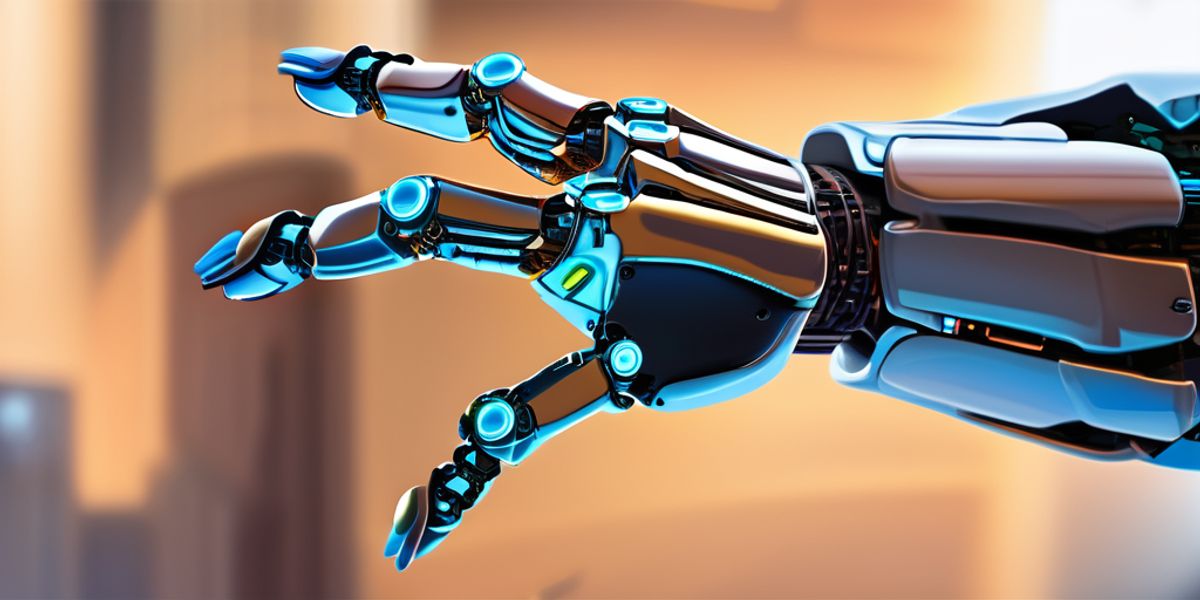
The integration of AI Technology into the workforce has sparked a complex debate on the future of employment. On one hand, AI-driven automation promises increased efficiency and the potential to liberate humans from repetitive tasks. On the other hand, there is a palpable fear that AI could displace a significant number of jobs, particularly in sectors heavily reliant on routine manual labor.
The transformative impact of AI on job markets necessitates a nuanced understanding of the dynamics between technology and employment.
Here is a brief overview of the key dynamics at play:
- Displacement of Jobs: Certain roles, especially those involving routine tasks, are at high risk of automation.
- Creation of New Jobs: AI also has the potential to create new job categories, particularly in AI development and oversight.
- Skill Shifts: The demand for advanced technical skills, such as AI Text programming, is on the rise, while the need for some traditional skills may decline.
While the exact outcomes are difficult to predict, it is clear that AI will continue to reshape the job market in profound ways. It is essential for policymakers, educators, and industry leaders to collaborate in preparing the workforce for the inevitable changes brought about by AI advancements.
AI in Supply Chain Management and Manufacturing
The integration of Artificial Intelligence (AI) in supply chain management and manufacturing has become a transformative force, reshaping how businesses operate and compete. AI’s capabilities, from machine learning to natural language processing, are leveraged to optimize processes, reduce costs, and enhance efficiency.
- Predictive Maintenance: AI algorithms predict equipment failures, reducing downtime.
- Inventory Management: AI provides real-time insights into inventory levels, enabling better stock control.
- Demand Forecasting: Machine learning models analyze trends to predict future demand accurately.
- Supplier Selection: AI assists in evaluating and selecting suppliers based on various performance metrics.
The synergy between AI and manufacturing not only streamlines operations but also fosters innovation, leading to the development of smarter, more responsive supply chains.
The impact of AI on the job market remains a topic of debate, with concerns over potential job losses due to automation. However, AI also creates new roles and opportunities, emphasizing the need for a skilled workforce adept in these emerging technologies. As AI continues to evolve, it is imperative for industries to adapt and harness its potential for sustained growth and competitiveness.
The Role of AI in Financial Services and Decision Making
The integration of Artificial Intelligence (AI) in financial services has revolutionized the way businesses approach decision-making. AI-driven analytics and machine learning models have become pivotal in identifying trends, managing risks, and personalizing services. Financial institutions leverage AI to process vast amounts of data, enabling them to make informed decisions swiftly and accurately.
- AI algorithms assist in fraud detection by analyzing transaction patterns.
- Machine learning models predict market trends, aiding in investment strategies.
- Natural language processing improves customer interactions through intelligent chatbots.
- Robo-advisors provide automated, algorithm-driven financial planning services.
The synergy between AI and big data in finance has led to more robust predictive models, enhancing the precision of financial forecasts and risk assessments.
The potential of AI in financial services extends beyond analytics. It encompasses regulatory compliance, where AI systems can sift through regulations to ensure adherence, and in credit scoring, where AI provides more nuanced assessments of borrower risk. As AI continues to evolve, it will further transform the financial landscape, prompting a reevaluation of traditional roles and processes.
AI and Ethics: Navigating the Legal Landscape
The Imperative of AI Laws and Regulations
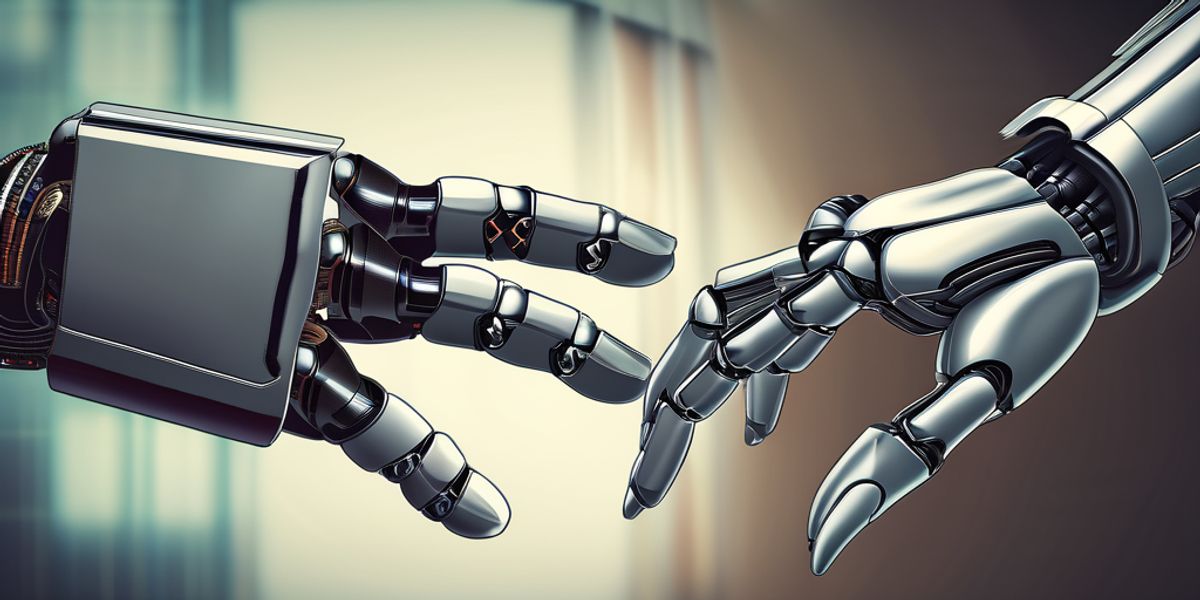
As nations grapple with the systematic integration of AI, the imperative for robust AI laws and regulations becomes increasingly clear. The goal is to harness AI’s benefits while mitigating its risks, ensuring a fair and equitable approach globally. AI in itself is not a threat; the concern lies in its potential misuse.
In India, the government has recognized the need for regulatory oversight and has begun to establish a legal framework. The Right to Privacy, declared a fundamental right in 2017, and the proposed Personal Data Protection Bill underscore the urgency for comprehensive AI policies. These efforts are complemented by the Information Technology Act of 2000, which, while not exhaustive in AI governance, marks a step towards balancing innovation with public welfare.
The development of AI laws is not just a legal challenge but a societal one, requiring a multi-stakeholder approach that includes government bodies, industry experts, and the public at large.
The initiatives by MEITY, Niti Aayog’s guidelines for responsible AI, and the emphasis on safety, equality, inclusion, privacy, transparency, accountability, and the preservation of human values, all contribute to a concerted effort to create a sustainable AI ecosystem. The table below summarizes key aspects of India’s approach to AI regulation:
| Aspect | Description |
|---|---|
| Privacy | Fundamental right since 2017; Personal Data Protection Bill pending |
| Policy Framework | Information Technology Act of 2000; MEITY’s committee structure |
| Guidelines | Niti Aayog’s development of guidelines for responsible AI |
| Core Values | Safety, equality, inclusion, privacy, transparency, accountability, human values |
Ethical Considerations and Human Rights in AI Deployment
The deployment of AI systems intersects significantly with ethical considerations and human rights, necessitating a careful balance between technological advancement and the protection of individual liberties. The integration of AI into society must be governed by principles that ensure fairness, accountability, and transparency.
- Fairness: AI must be designed to avoid biased outcomes and ensure equal treatment for all users.
- Accountability: Clear guidelines should be established to determine who is responsible for AI’s actions and decisions.
- Transparency: The processes and algorithms behind AI should be open to scrutiny to maintain public trust.
The ethical deployment of AI is not solely about preventing harm but also about enhancing societal well-being through responsible innovation.
In India, the movement towards AI regulation is gaining momentum. The establishment of the Right to Privacy as a fundamental right and the ongoing parliamentary review of the Personal Data Protection Bill are indicative of the country’s commitment to safeguarding individual rights in the face of AI’s rapid integration. The Ministry of Electronics and Information Technology’s focus on examining AI’s ethical issues further underscores the importance of a robust legal framework to manage AI’s societal impact.
Global Perspectives on AI Governance
The global landscape of AI governance is a complex tapestry of national interests, ethical considerations, and technological capabilities. National regulatory frameworks are pivotal in balancing the benefits and risks associated with AI technologies. These frameworks must evolve to address the dynamic nature of AI threats, requiring a continuous commitment to security and proactive governance measures.
- National governance must systematically integrate AI with a fair and equitable approach.
- Continuous improvement of security measures is crucial, particularly in areas like identity fraud.
- The AI effect, where tasks previously seen as requiring intelligence become automated, influences legal system integration.
The integration of AI in legal systems, though still nascent, is gaining traction globally, with countries like India establishing committees to explore ethical implications and best practices.
It is evident that as AI continues to advance, the governance models must also adapt. The need for international cooperation and the sharing of best practices is essential to ensure that AI serves the greater good, mitigating risks while maximizing benefits.
AI in Healthcare: Enhancing Diagnostics and Treatment

Machine Learning in Medical Imaging and Diagnosis
The integration of AI Image analysis into medical imaging and diagnosis represents a transformative leap in healthcare. Machine learning algorithms, a subset of AI, excel at interpreting complex patterns in imaging data, offering unprecedented accuracy in detecting abnormalities.
- Early Detection: AI Image analysis facilitates the early identification of diseases, potentially saving lives through timely intervention.
- Consistency: Unlike human practitioners, AI maintains a consistent performance level, reducing the likelihood of diagnostic errors.
- Efficiency: AI can analyze vast quantities of images rapidly, streamlining the diagnostic process and freeing up medical professionals to focus on patient care.
The synergy between AI Image technology and medical expertise is paving the way for a new era in healthcare, where diagnosis is not only faster but also more reliable.
The promise of AI Image in medical diagnostics is not without challenges. Ensuring the privacy and security of patient data, and maintaining the accuracy of AI algorithms in diverse populations, are critical considerations that must be addressed as this technology continues to evolve.
AI-driven Drug Discovery and Personalized Medicine
The integration of AI in drug discovery and personalized medicine is a game-changer for the pharmaceutical industry. AI algorithms can analyze vast datasets to identify potential drug candidates much faster than traditional methods. This not only accelerates the pace of discovery but also enhances the precision of targeting specific diseases.
- Speed: AI significantly reduces the time required for drug discovery.
- Accuracy: Enhanced targeting of drugs to specific diseases.
- Cost-effectiveness: Lower research and development expenses.
- Personalization: Tailored treatments for individual patients.
The potential of AI to personalize medicine is profound, offering treatments that are specifically designed for an individual’s genetic makeup, lifestyle, and health history.
The use of AI in this field is not without its challenges, including the need for large, high-quality datasets and concerns about data privacy and security. However, the benefits, such as the ability to bring new, effective drugs to market more quickly and to provide personalized treatment plans, are driving the industry forward.
The Impact of AI on Patient Care and Hospital Management
The integration of AI technology into healthcare systems has been a game-changer for patient care and hospital management. AI Chat systems, for example, have become an essential tool in enhancing patient engagement and providing real-time health monitoring. These intelligent systems can interpret patient inquiries, offer medical advice, and even direct patients to the appropriate care resources.
- AI Chat systems improve patient communication and satisfaction.
- AI-driven analytics aid in predicting patient admissions and staffing needs.
- Machine learning algorithms enhance diagnostic accuracy and treatment personalization.
The use of AI in hospitals has streamlined many administrative tasks, freeing up healthcare professionals to focus more on patient care. This shift has not only improved operational efficiency but also patient outcomes.
The table below illustrates the impact of AI on key hospital management metrics:
| Metric | Before AI Integration | After AI Integration |
|---|---|---|
| Patient Wait Times | Longer | Reduced |
| Administrative Costs | Higher | Lowered |
| Diagnostic Accuracy | Variable | Improved |
| Patient Satisfaction | Mixed | Enhanced |
As AI continues to evolve, its role in healthcare promises to grow, potentially leading to unprecedented improvements in patient care and hospital efficiency.
The Future of AI: Trends, Predictions, and Societal Impact
Advancements in AI Technology and Predictive Analytics
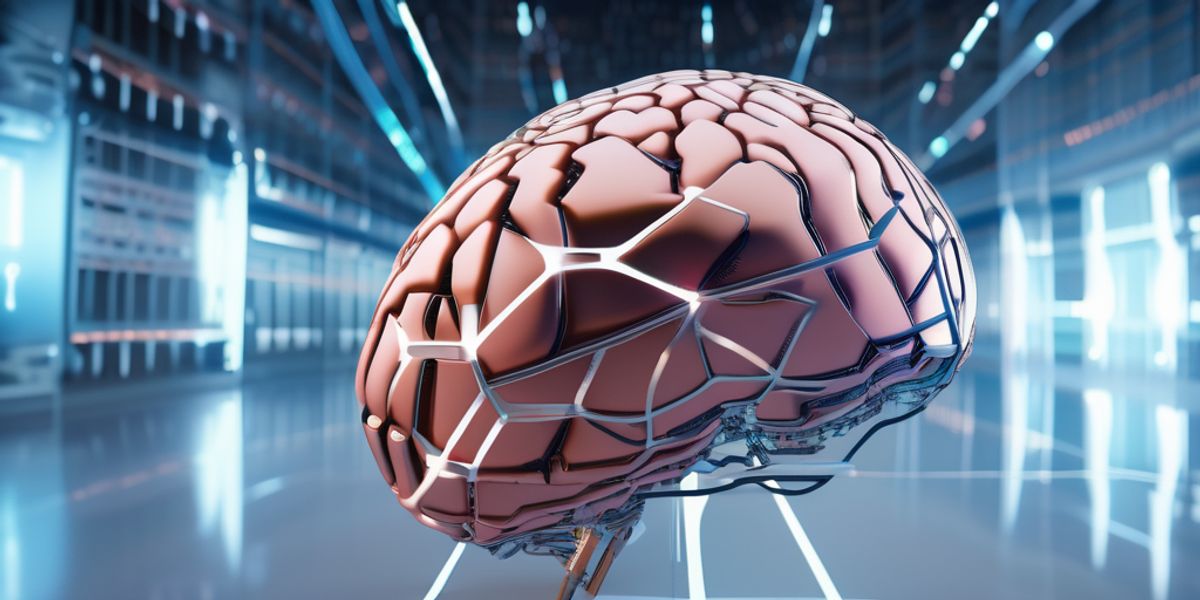
The landscape of artificial intelligence (AI) is continually evolving, with advancements in machine learning, deep learning, natural language processing, and computer vision leading the charge. AI’s potential to revolutionize our daily lives is immense, impacting everything from healthcare to finance, and even the way we interact with our environment. As AI systems become more sophisticated, they are increasingly capable of performing complex tasks and enhancing human capabilities.
The integration of AI with automation, analytics, and vast data sets is empowering businesses to achieve a multitude of objectives. This synergy is particularly evident in the realm of predictive analytics, where AI’s predictive capabilities are being harnessed to forecast trends, consumer behavior, and market dynamics with unprecedented accuracy. The table below highlights key areas where AI advancements are making a significant impact:
| Sector | Application | Outcome |
|---|---|---|
| Healthcare | Predictive diagnostics | Improved patient outcomes |
| Finance | Market trend analysis | Enhanced decision-making |
| Transportation | Traffic flow optimization | Reduced congestion |
The trajectory of AI development suggests a future where intelligent systems not only augment human decision-making but also foster a new era of innovation and efficiency. The pursuit of strong AI, which emulates human cognitive abilities, remains a driving force in the field, with successes in strategic games and pattern recognition underscoring the potential of AI to tackle complex challenges.
As we navigate the future, it is clear that AI will play a pivotal role in shaping our world. The continuous refinement of AI technologies promises to unlock new possibilities and redefine what is achievable, both in business and in our personal lives.
AI’s Role in Shaping Future Workplaces and Lifestyles
The integration of AI into our daily lives is set to redefine the very fabric of how we work and live. AI’s potential to automate routine tasks promises to free up human creativity and strategic thinking, leading to more fulfilling job roles. As AI systems become more prevalent, we can expect a shift in workplace dynamics, with a focus on human-AI collaboration enhancing productivity and innovation.
- AI-driven automation: Streamlining repetitive tasks
- Enhanced decision-making: Leveraging predictive analytics
- Personalized experiences: Customizing work environments
- Continuous learning: AI as a tool for skill development
The AI effect, a term describing how once-novel AI capabilities become normalized, underscores the evolving nature of what we consider ‘intelligent’. As AI becomes more integrated into our lives, it’s crucial to address the implications of this shift. The future workplace is not just about technological advancement but also about adapting to the changes that come with it.
The transformative power of AI extends beyond mere efficiency; it heralds a new era of human potential, where the boundaries of creativity and innovation are continually expanded by intelligent technology.
Addressing the AI Effect and the Evolving Definition of Intelligence
As AI technology continues to evolve, the AI effect—the phenomenon where the bar for what is considered ‘intelligence’ shifts as machines become capable of performing certain tasks—remains a pivotal concept in understanding AI’s societal impact. This effect highlights the fluid nature of the term ‘intelligence’ and challenges us to continually reassess our benchmarks for AI advancements.
The AI effect underscores the importance of recognizing the shifting landscape of intelligence as AI systems become more integrated into various aspects of our lives.
The following points outline the key considerations in addressing the AI effect and redefining intelligence:
- Recognizing the transient nature of what constitutes AI as technology progresses.
- Ensuring that AI advancements do not outpace the development of ethical guidelines and governance.
- Embracing the potential of AI to augment human capabilities rather than replace them.
In the context of strong AI, which aims to replicate human cognitive abilities, we see a concerted effort to push the boundaries of what machines can do. Success in complex tasks, such as chess and video games, demonstrates AI’s growing capabilities. However, the integration of AI into systems like the legal domain is still nascent, with countries like India taking proactive steps to explore ethical implications.
| Country | AI Integration Stage | Ethical Committees Established |
|---|---|---|
| India | Nascent | Yes |
As we navigate the future of AI, it is crucial to balance the pursuit of technological advancement with the preservation of human values and societal norms. The evolving definition of intelligence will continue to be a central theme in the discourse on AI’s role in our lives.
Conclusion
As we stand on the brink of a technological revolution, the advances and applications of AI technology present both extraordinary opportunities and significant challenges. The journey through the realms of machine learning, deep learning, natural language processing, and computer vision has shown us the transformative potential of AI to reshape industries, enhance human capabilities, and redefine our interaction with the world. However, as we navigate this future, we must also be cognizant of the ethical implications, the impact on employment, and the need for robust legal frameworks to govern the use of AI. The aspiration for Strong AI continues to fuel innovation, pushing the boundaries of what machines can achieve. Ultimately, the success of AI will depend on our ability to harness its power responsibly, ensuring that it serves to augment human potential and contribute positively to society. The future is not just about what AI can do, but also about what we choose to do with AI.
Frequently Asked Questions
What is Narrow AI and how is it currently being applied?
Narrow AI refers to artificial intelligence systems designed to handle specific tasks or solve particular problems. It’s currently applied in areas like voice assistants, image recognition, and autonomous vehicles. These AI systems operate within predefined parameters and don’t possess the general understanding or consciousness that a human has.
What are the main challenges in achieving Strong AI?
Achieving Strong AI, which exhibits human-like cognitive abilities, faces challenges such as creating machines that can understand and interpret context, exhibit common sense, and learn from limited data. Additionally, ethical and safety concerns pose significant hurdles in the development of Strong AI.
How does AI influence the job market and automation?
AI influences the job market primarily through automation, which can lead to both the displacement of certain jobs and the creation of new ones. While repetitive and routine tasks are more susceptible to automation, there’s a growing demand for jobs that require complex problem-solving and creative thinking, which AI is currently less capable of handling.
What legal and ethical considerations arise with the deployment of AI?
The deployment of AI raises legal and ethical considerations such as privacy, bias, accountability, and the potential for misuse. Ensuring that AI systems are transparent, fair, and respect human rights is imperative. Legislators and regulators are working to establish frameworks to address these concerns.
How is AI transforming healthcare diagnostics and treatment?
AI is transforming healthcare by enabling more accurate diagnostics through advanced image analysis, predicting patient outcomes using data-driven models, and personalizing treatment plans. AI-driven tools are also being developed for drug discovery, which could significantly reduce the time and cost associated with bringing new medicines to market.
What is the AI effect and how does it impact the perception of AI advancements?
The AI effect refers to the phenomenon where once a task previously thought to require intelligence is successfully automated, it is no longer considered as AI. This shifting benchmark often leads to underestimation of AI advancements because as soon as AI conquers a challenge, the bar is raised, and the task is deemed routine.