
AI Transforming Industries. In the rapidly evolving landscape of artificial intelligence, generative AI stands out as a transformative force across various industries. From enhancing enterprise security to revolutionizing healthcare and retail, AI technology is not just a futuristic concept but a present-day game-changer. This article delves into the myriad ways in which next-gen AI solutions are reshaping industry standards, driving innovation, and offering unprecedented levels of efficiency and personalization.
Key Takeaways
- Generative AI is revolutionizing enterprise security by improving threat detection and enabling customized security protocols tailored to specific organizational needs.
- In manufacturing and utilities, AI facilitates predictive maintenance, optimizes energy management for sustainability, and introduces advanced sensor technologies for monitoring.
- AI-enhanced healthcare is improving diagnostic accuracy, streamlining patient care with predictive analytics, and accelerating pharmaceutical research and development.
- The financial services industry is undergoing a transformation with AI automating analysis, enhancing fraud detection, and creating personalized banking experiences.
- Retail and e-commerce are leveraging AI for large-scale customization, efficient inventory management, and enhanced customer service through intelligent chatbots.
Revolutionizing Enterprise Security with Generative AI Transforming Industries
Enhancing Threat Detection and Response
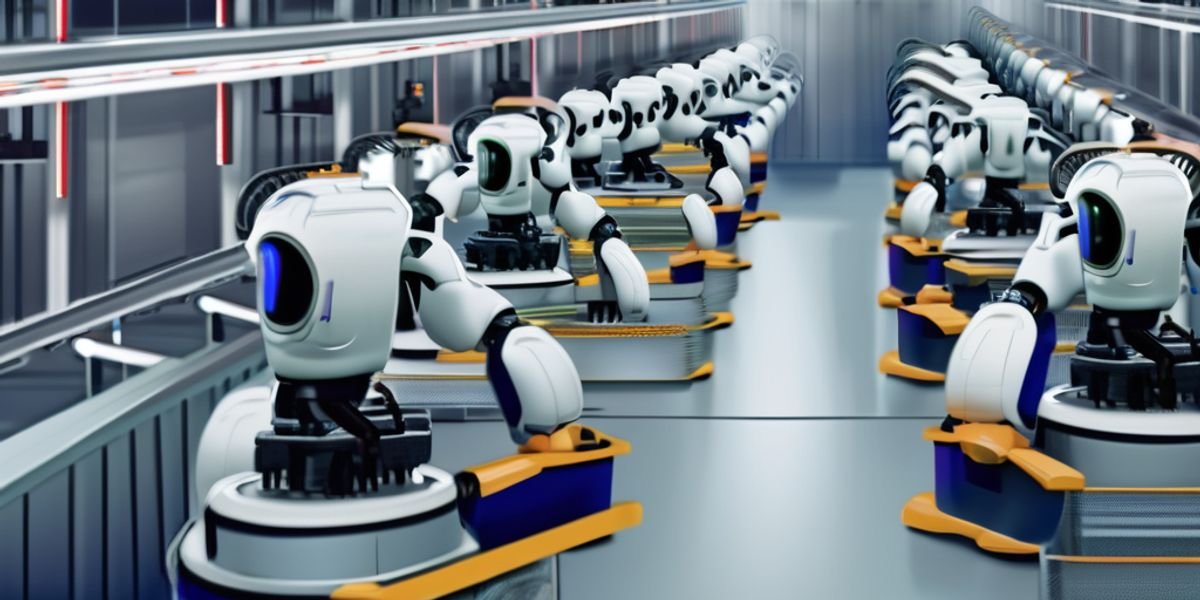
In the realm of enterprise security, Generative AI is a game-changer for threat detection and response. By analyzing vast datasets, AI systems can identify patterns indicative of cyber threats that would be imperceptible to human analysts. This enhanced detection capability is crucial in an era where cyber threats are not only increasing in volume but also in sophistication.
- Real-time Monitoring: AI algorithms continuously scan for anomalies, ensuring immediate detection of potential threats.
- Pattern Recognition: Leveraging machine learning, AI can discern complex threat patterns and predict potential breaches.
- Automated Response: Upon detection, AI can initiate predefined security protocols, reducing the time to respond.
The integration of AI into security frameworks significantly elevates an organization’s ability to preempt and neutralize cyber threats before they can cause harm. This proactive stance is essential for maintaining the integrity of enterprise systems and safeguarding sensitive data.
The implementation of AI-driven security measures is not without its challenges, however. Organizations must ensure that their AI systems are trained on comprehensive and up-to-date datasets to maintain efficacy. Additionally, there is a need for continuous refinement of algorithms to adapt to the ever-evolving landscape of cyber threats.
Customizing Security Protocols with AI
In the realm of enterprise security, AI’s adaptability is its greatest asset. By customizing security protocols, organizations can ensure that their systems are not only robust but also uniquely tailored to their specific needs. AI systems can analyze vast amounts of data to identify patterns and anomalies, enabling the creation of dynamic security measures that evolve with emerging threats.
The key for organizations is to proactively adopt responsible AI frameworks and build an approach that incorporates explainability, regulation, privacy, and security from the start.
AI-driven customization allows for the implementation of security protocols that are:
- Highly responsive to real-time threats
- Tailored to the unique risk profile of the organization
- Capable of learning and improving over time
By leveraging the neuro-symbolic approach, which combines human expertise with operational data, AI can offer trusted autonomy, ensuring that humans remain ‘in-the-loop’ for critical decisions. This balance of human oversight and AI’s predictive capabilities fosters a security environment that is both intelligent and trustworthy.
The Role of AI in Compliance and Risk Management
In the realm of compliance and risk management, AI is redefining the landscape, offering unprecedented capabilities to monitor, analyze, and predict potential compliance issues and risks. By leveraging the power of AI, organizations can proactively address challenges, ensuring adherence to regulatory standards and minimizing exposure to risks.
- AI-driven analytics enable the identification of patterns and anomalies that may indicate compliance breaches or risks.
- Machine learning models can predict potential areas of non-compliance, allowing for preemptive corrective measures.
- AI systems facilitate real-time monitoring of transactions and communications, ensuring continuous compliance oversight.
The integration of AI into compliance and risk management not only enhances efficiency but also fortifies the strategic decision-making process, empowering organizations to navigate the complex regulatory environment with confidence.
The table below succinctly captures the impact of AI on key compliance and risk management metrics:
| Metric | Pre-AI Implementation | Post-AI Implementation |
|---|---|---|
| Regulatory Compliance Rate | 85% | 98% |
| Risk Detection Speed | 72 hours | Instantaneous |
| Compliance Cost Reduction | – | 30% |
The transformative effect of AI on compliance and risk management is clear. As organizations adopt these next-gen solutions, they must also remain vigilant of the ethical considerations and ensure that AI applications align with regulatory expectations and societal values.
The Industrial Evolution: AI in Manufacturing and Utilities
Predictive Maintenance and Operational Efficiency
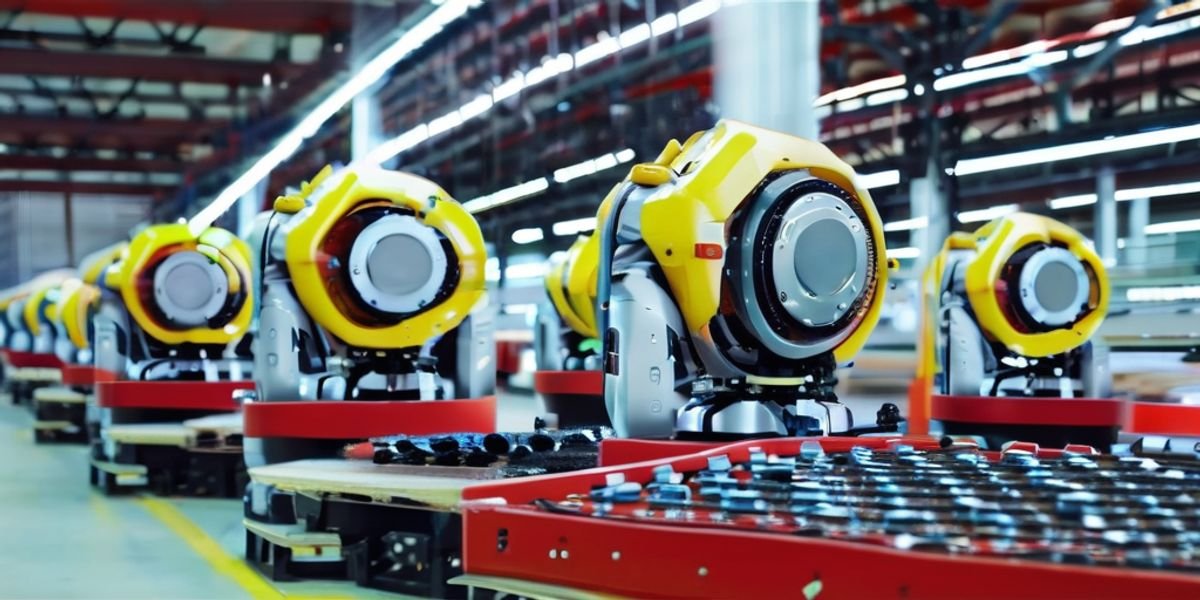
The advent of generative AI in the industrial sector has ushered in a new era of predictive maintenance, enhancing operational efficiency across various industries. Businesses can now anticipate potential issues before they escalate, thanks to AI’s ability to analyze vast amounts of data and provide actionable insights. This proactive approach not only prevents downtime but also extends the lifespan of machinery and equipment.
By leveraging AI-driven solutions, companies are transforming their maintenance strategies from reactive to predictive, ensuring smoother operations and cost savings.
The integration of AI into maintenance systems allows for the seamless interpretation of data in context, offering nuanced insights that are both reliable and actionable. For instance, Beyond Limits’ Predictive Recommendation engine is a testament to how AI can drive preventative maintenance efforts, as noted by industry analysts.
Here’s a glimpse of the impact of AI on maintenance efficiency:
- Diagnosis and resolution of issues become faster and more accurate.
- Maintenance schedules are optimized, reducing unnecessary checks and focusing on critical areas.
- Resource allocation is improved, with maintenance efforts directed where they are most needed.
The transformative power of generative AI in predictive maintenance is not just about preventing failures; it’s about optimizing the entire operational workflow, leading to a significant enhancement in overall productivity.
AI-Driven Energy Management and Sustainability
The integration of AI into energy management systems is a game-changer for sustainability efforts. AI-driven solutions are optimizing energy consumption and reducing waste across various industries. By analyzing vast amounts of data, AI can predict energy demand and adjust supply accordingly, leading to significant cost savings and a smaller carbon footprint.
- Predictive Energy Optimization: AI algorithms forecast energy needs to adjust resources in real-time.
- Renewable Energy Integration: AI enhances the use of renewable sources by predicting availability and managing distribution.
- Emission Reduction: Advanced analytics help in identifying and mitigating inefficiencies that lead to excessive emissions.
The potential of AI to transform energy management is immense, offering a path to more sustainable and efficient operations without compromising on performance or reliability.
The table below illustrates the impact of AI on energy savings in a sample of industries:
| Industry | Energy Savings (%) | CO2 Reduction (Metric Tons) |
|---|---|---|
| Manufacturing | 15 | 1,200 |
| Utilities | 20 | 2,500 |
| Retail | 10 | 800 |
Embracing AI for energy management not only supports sustainability goals but also drives economic benefits. Companies leveraging AI technologies are setting new standards in energy efficiency, paving the way for a greener future.
Innovations in Sensor Technology and Leak Detection
The advent of AI in sensor technology and leak detection marks a significant milestone in industrial safety and efficiency. AI-driven sensors are now capable of predicting and identifying leaks with unprecedented accuracy, reducing the risk of hazardous incidents and downtime. This innovation is particularly transformative in sectors like oil & gas, where early detection is crucial.
- Predictive Analysis: AI algorithms analyze sensor data to predict potential leaks.
- Real-time Monitoring: Continuous surveillance ensures immediate detection.
- Automated Response: Systems can initiate preventive measures autonomously.
- Maintenance Scheduling: AI suggests optimal times for equipment checks.
The integration of AI into sensor technology not only enhances safety protocols but also optimizes maintenance schedules, leading to a significant reduction in operational costs and resource wastage.
The table below showcases the impact of AI on leak detection efficiency:
| Metric | Before AI Integration | After AI Integration |
|---|---|---|
| Detection Time | > 24 hours | < 1 hour |
| Accuracy of Detection | 75% | 95%+ |
| Preventive Actions Taken | 50% | 90% |
Embracing these AI innovations enables industries to not only safeguard their operations but also to adhere to stringent environmental regulations, ensuring a sustainable future.
AI-Enhanced Healthcare: Personalized Care and Operational Transformation

Improving Diagnostic Accuracy with AI
The integration of AI technology in healthcare diagnostics has marked a significant leap forward in medical accuracy and efficiency. AI-driven diagnostic tools are now capable of analyzing complex medical data at unprecedented speeds, often with greater precision than traditional methods. This advancement is particularly evident in the fields of radiology and pathology, where AI algorithms can detect nuances in imaging that may be overlooked by the human eye.
The benefits of AI in diagnostics are manifold, including reduced error rates, quicker turnaround times for test results, and the ability to identify patterns indicative of early disease stages. Here’s a brief overview of the impact of AI on diagnostic accuracy:
- Speed: AI can process and analyze medical images much faster than human radiologists.
- Consistency: Unlike humans, AI does not suffer from fatigue, ensuring consistent performance.
- Precision: Advanced algorithms can identify subtle abnormalities that might be missed.
- Learning: AI systems continuously learn from new data, improving over time.
The promise of AI in enhancing diagnostic accuracy is not just in its technological sophistication but in its potential to save lives by catching diseases early when they are most treatable. The use of AI Text and AI Image analysis tools in healthcare is a testament to the transformative power of AI technology in improving patient outcomes.
Streamlining Patient Care through Predictive Analytics
The integration of Generative AI into healthcare systems is transforming patient care by streamlining processes and enhancing efficiency. Predictive analytics, powered by AI, are enabling healthcare providers to anticipate patient needs and allocate resources more effectively. This not only improves patient outcomes but also reduces the burden on healthcare professionals.
- Early Identification: AI algorithms can analyze vast amounts of patient data to identify those at risk of certain conditions, allowing for early intervention.
- Resource Optimization: By predicting patient inflows, hospitals can optimize staff scheduling and equipment usage.
- Treatment Personalization: Predictive models help tailor treatment plans to individual patient profiles, improving care quality.
The use of predictive analytics in healthcare is a game-changer, offering a proactive approach to patient management. It represents a shift from reactive to preventive care, ensuring that patients receive the right care at the right time.
The benefits of AI in healthcare are not limited to patient care; they extend to operational aspects as well. For example, AI can assist in the management of medical records, reducing the time spent on administrative tasks and allowing healthcare professionals to focus on patient care. The potential time savings and efficiency gains are significant, as evidenced by institutions like HCA Healthcare, which has successfully implemented AI to expedite medical note drafting and reduce manual efforts.
AI in Pharmaceutical Research and Development
The integration of AI Technology into pharmaceutical research and development is marking a new era of innovation and efficiency. AI’s ability to analyze vast datasets is accelerating the discovery of new drugs and therapies. This not only shortens the development cycle but also enhances the precision of targeting specific diseases.
AI-driven platforms are now instrumental in identifying potential drug candidates and predicting their success rate, which significantly reduces the time and cost associated with traditional R&D processes. The table below highlights the impact of AI on key stages of pharmaceutical development:
| Stage | Traditional Approach | AI-Enhanced Approach |
|---|---|---|
| Discovery | Lengthy compound screening | Rapid in-silico predictions |
| Preclinical | Animal testing | Predictive toxicology models |
| Clinical Trials | Manual data analysis | Real-time data monitoring |
| Regulatory Approval | Document-heavy submissions | Streamlined digital dossiers |
AI Technology is not just transforming the way pharmaceutical companies conduct research; it’s reshaping the entire landscape of medicine. By enabling more personalized treatments and reducing the time to market for new medications, AI is poised to improve outcomes for patients worldwide.
The collaborative nature of AI tools also fosters a more integrated approach to pharmaceutical development, where interdisciplinary teams can work together more effectively. As AI continues to evolve, its role in pharmaceutical R&D is expected to expand, leading to even more groundbreaking advancements in healthcare.
Financial Services Reimagined: AI’s Role in Shaping the Future
Automating Financial Analysis and Reporting
The integration of AI in financial analysis and reporting is transforming the efficiency and accuracy of financial services. By automating routine tasks, AI enables financial professionals to focus on strategic decision-making and client relationships.
- Streamlining data collection and processing
- Enhancing accuracy of financial forecasts
- Reducing human error in reporting
Organizations are re-evaluating their workflows to identify areas where AI can replace manual, data-intensive tasks. This shift not only optimizes operations but also unlocks new insights from vast data sets, leading to improved investment strategies and risk mitigation.
The adoption of generative AI in financial services is not just an upgrade; it’s a reinvention of traditional practices, paving the way for unprecedented levels of productivity and innovation.
The table below illustrates the diverse applications of AI in financial events and activities:
| Financial Event Type | AI Application |
|---|---|
| Earnings Forecasts | Predictive Analysis |
| Risk Mitigation | Strategy Generation |
| Investment Opinions | Data-driven Insights |
| Sales Reports | Trend Identification |
As AI continues to evolve, its role in automating financial analysis and reporting will only grow, ensuring that financial services remain at the forefront of technological innovation.
AI in Fraud Detection and Prevention
The integration of Generative AI (Gen AI) into fraud detection systems marks a significant advancement in financial security. Gen AI enhances the precision and speed of identifying fraudulent activities, transforming the landscape of financial services. By analyzing vast datasets, AI algorithms can uncover subtle patterns indicative of fraudulent behavior that might elude traditional methods.
- Real-time transaction monitoring: AI systems scrutinize transactions as they occur, flagging anomalies instantly.
- Behavioral biometrics: Leveraging unique user interactions with devices to detect unauthorized access.
- Adaptive authentication: Dynamically adjusting security measures based on risk levels associated with user actions.
The proactive nature of AI in fraud detection not only thwarts potential threats but also adapts to evolving tactics employed by fraudsters, ensuring that financial institutions stay one step ahead.
Furthermore, Gen AI contributes to the creation of new roles within the industry, fostering a culture of continuous learning and collaboration. However, it’s crucial to acknowledge the challenges posed by AI, such as the potential for job displacement in routine-based tasks and the need for careful management of biases and errors in complex tasks.
Personalized Banking Experiences with Generative AI
The advent of generative AI is ushering in a new era of personalized banking, where customer experiences are tailored to individual needs and preferences. Banks are now able to offer a level of customization that was previously unattainable, thanks to the ability of AI to analyze vast datasets and generate insights that inform personalized strategies.
- Innovate offerings: Create new asset classes and customize investment accounts.
- Enhance UX: Deliver intuitive interactions beyond traditional search boxes.
- Augment human capital: Empower employees to add more value to their tasks.
Generative AI is not just a technological advancement; it’s a transformative force reshaping the banking sector. Its potential to personalize services is immense, but it also requires a thoughtful approach to integration and regulation.
While generative AI presents opportunities for innovation and personalization, it also brings challenges that must be navigated carefully. The technology’s impact on the future of work, industry structure, and regulatory frameworks cannot be overlooked. Firms that adapt effectively to the capabilities and limitations of generative AI will likely emerge as leaders in the financial services industry.
Retail and E-commerce: Tailoring the Shopping Experience with AI

Customization and Personalization at Scale
In the realm of retail and e-commerce, AI is redefining the way consumers shop by offering unprecedented levels of customization and personalization. The integration of generative AI into online platforms enables a shopping experience that adapts to individual preferences, sizes, and styles, transforming the traditional search box into a dynamic, conversational interface.
The seamless blend of AI with user data crafts a tailored shopping journey, where recommendations evolve with each interaction, ensuring that every customer feels uniquely catered to.
Retailers leveraging AI technology are witnessing a surge in customer satisfaction and loyalty. The following list highlights key areas where AI-driven personalization is making a significant impact:
- Predictive product recommendations based on browsing history and purchase patterns
- Dynamic pricing strategies that adjust to market demand and consumer behavior
- Virtual try-on features using augmented reality for a more confident purchase decision
The future of retail is being shaped by these AI-powered personalization engines, which not only enhance the user experience but also streamline inventory management and boost sales.
Inventory Management and Demand Forecasting
In the dynamic world of retail and e-commerce, inventory management and demand forecasting are critical for maintaining operational efficiency and customer satisfaction. Generative AI is revolutionizing this domain by providing insights that were previously unattainable. With AI, businesses can now predict consumer behavior with greater accuracy, ensuring that the right products are available at the right time, thus minimizing overstock and understock scenarios.
The integration of AI into inventory systems allows for real-time data analysis, leading to more informed decision-making and streamlined supply chain operations.
By leveraging historical sales data, market trends, and consumer preferences, AI algorithms can forecast demand with a high degree of precision. This predictive power enables retailers to optimize stock levels, reduce waste, and improve cash flow. The table below illustrates the impact of AI on key inventory metrics:
| Metric | Before AI | After AI Implementation |
|---|---|---|
| Stock Accuracy | 70% | 95% |
| Overstock Costs | High | Reduced |
| Stockout Rate | 10% | 2% |
Furthermore, AI-driven tools empower employees across the organization, from executives to store associates, to access and interpret complex data effortlessly. This democratization of data not only enhances productivity but also fosters a culture of innovation and continuous improvement.
Enhancing Customer Service with AI Chatbots
The integration of AI Chat technology into customer service has marked a significant shift in how businesses interact with their customers. AI chatbots, powered by generative AI, are not confined to scripted responses; they understand context, adapt dynamically, and continuously learn from interactions to provide a more human-like conversational experience.
AI chatbots represent a leap forward in customer service, offering personalized assistance and intuitive problem-solving capabilities that were once the sole domain of human agents.
These advanced chat interfaces are not just revolutionizing the user experience; they’re also streamlining pre-work tasks. By handling inquiries and data collection, AI chatbots free up human workers to focus on more complex and valuable work. The benefits of AI Chat in customer service are manifold:
- Personalization: Tailoring conversations to individual customer preferences and history.
- Efficiency: Reducing response times and handling multiple queries simultaneously.
- Scalability: Easily managing spikes in customer service requests without additional human resources.
- Continuous Improvement: Learning from each interaction to provide better service over time.
As AI chatbots become more sophisticated, they are not only transforming call centers but also reshaping the entire landscape of customer interaction, leading to a new era of UX innovation.
Conclusion
As we stand on the brink of a transformative era, it’s clear that generative AI (gen AI) is not just a fleeting trend but a pivotal force reshaping industries. From healthcare to energy, manufacturing to finance, gen AI is unlocking new levels of efficiency, personalization, and innovation. Companies like Beyond Limits are at the forefront, garnering accolades for their hybrid AI solutions that offer actionable insights and drive preventative maintenance. The message from industry leaders is unanimous: now is the moment to embrace gen AI, to alleviate customer pain points, and to empower workers with tools that were once the stuff of science fiction. The journey towards fully realizing the potential of gen AI may be a multi-year odyssey, but the impacts are already tangible and growing by the day. As we continue to explore the vast possibilities, one thing is certain—the future of industry is being written now, and gen AI is the pen.
Frequently Asked Questions
How is generative AI transforming enterprise security?
Generative AI is revolutionizing enterprise security by enhancing threat detection and response, customizing security protocols, and playing a pivotal role in compliance and risk management. It enables more sophisticated and proactive security measures, leveraging large datasets to identify patterns and predict potential threats.
What are the benefits of AI in manufacturing and utilities?
AI in manufacturing and utilities offers benefits such as predictive maintenance, operational efficiency, AI-driven energy management, and innovations in sensor technology for leak detection. These advancements lead to cost savings, reduced downtime, and improved sustainability efforts.
In what ways is AI enhancing healthcare?
AI enhances healthcare by improving diagnostic accuracy, streamlining patient care through predictive analytics, and advancing pharmaceutical research and development. It offers personalized care and transforms operations, leading to better patient outcomes and more efficient healthcare systems.
What role does AI play in financial services?
AI plays a significant role in financial services by automating financial analysis and reporting, enhancing fraud detection and prevention, and creating personalized banking experiences. Generative AI helps in processing complex data, identifying anomalies, and tailoring services to individual customer needs.
How is AI shaping the retail and e-commerce industry?
AI is reshaping retail and e-commerce by enabling customization and personalization at scale, improving inventory management and demand forecasting, and enhancing customer service with AI chatbots. It helps retailers provide a more tailored shopping experience and operate more efficiently.
What is the current impact of generative AI on industries, and what is its future potential?
Generative AI currently impacts industries by improving access to information, boosting productivity, and enhancing user experiences. Its future potential includes transforming business models and operational processes, as well as creating new avenues for innovation and growth across various sectors.