
The article ‘From Words to Wonders: The Evolution of AI Text Generation Technology’ explores the remarkable journey of artificial intelligence in the realm of language generation. From the first steps of basic text automation to the current sophisticated systems that challenge the distinction between human and machine creativity, we delve into the milestones and implications of this evolving technology. As we reflect on the past and anticipate the future, we witness the unfolding of a digital renaissance in AI-driven linguistics.
Key Takeaways
- AI text generation technology has evolved from rudimentary attempts to sophisticated models that closely mimic human creativity.
- The integration of deep learning and neural networks has been pivotal in advancing the capabilities of language models.
- Generative Adversarial Networks (GANs) have contributed significantly to the artistic aspects of AI, enabling more complex and creative outputs.
- The emergence of tools like ChatGPT has narrowed the gap between human and AI-generated text, raising important ethical and authorship questions.
- The future of AI text generation promises a transformation in communication, potentially leading to a new era of digital expression and creativity.
The Dawn of Digital Wordsmiths
Early Attempts at Machine-Generated Text
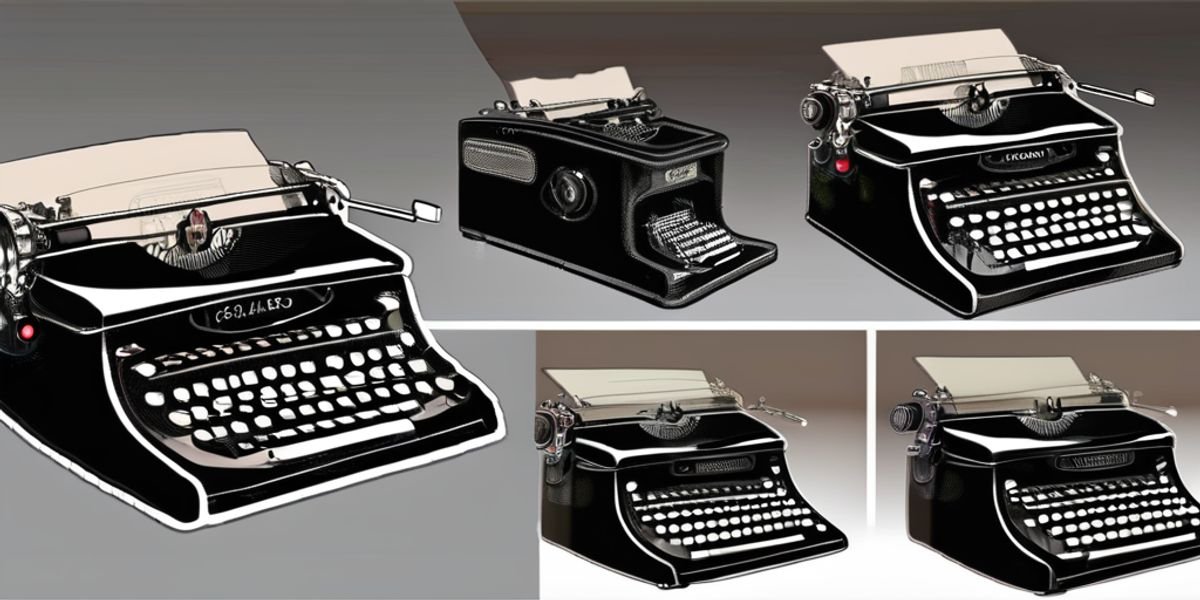
The journey of AI text generation began with humble origins, where the initial forays into machine-generated text were simplistic and formulaic. Early computer programs could construct sentences by following rudimentary rules and patterns, but the output was often nonsensical and lacked the nuance of human language.
The breakthrough came with the advent of statistical methods and machine learning, which allowed for more coherent and contextually appropriate text generation. These early systems paved the way for the sophisticated language models we see today.
The evolution from basic text generators to advanced language models highlights the rapid advancement in AI’s ability to understand and manipulate language.
Here is a brief timeline of key milestones in the early development of AI text generation:
- 1950s: The first attempts at machine-generated text, often based on simple rule-based systems.
- 1960s: ELIZA, an early natural language processing computer program, simulates conversation by pattern matching and substitution methodology.
- 1980s: More advanced rule-based systems are developed, but still lack depth and understanding of language nuances.
- Late 1990s: Statistical methods begin to improve the quality of machine-generated text.
While these early attempts were foundational, they were far from perfect. The text produced was often rigid and lacked the creative flair of human writing. However, they set the stage for the revolutionary impact of deep learning and neural networks, which would come to redefine the possibilities of AI-generated text.
Breakthroughs in Language Models
The evolution of language models marks a significant milestone in AI text generation. The leap from rule-based systems to sophisticated neural networks has been akin to an apprentice becoming a masterful polymath, mirroring the growth of Leonardo da Vinci. This transformation has not only enhanced the quality of machine-generated text but also increased productivity and reduced the reliance on human labor.
The journey of language models is a testament to the relentless pursuit of bridging the semantic gulf, much like da Vinci’s quest to understand the human body. Modern algorithms delve deep into the intricacies of meaning, context, and the art of communication, unleashing new realms of creative expression.
The deep learning revolution has been pivotal in this advancement, with organizations like AI21 Labs at the forefront of democratizing large language models. These models are now more factually accurate and accessible, thanks to the democratization of the necessary hardware. Below is a list of key developments that have propelled language models to new heights:
- The shift from simple rule-based algorithms to data-driven neural networks
- The creation of vast datasets, akin to da Vinci’s notebooks, capturing the nuances of human language
- The focus on semantic understanding to emulate the subtleties of human communication
- The role of deep learning in enhancing the accuracy and capabilities of language models
- The democratization of technology, making advanced models more accessible to a wider audience
The Role of Deep Learning and Neural Networks
The advent of deep learning and neural networks has been nothing short of revolutionary in the field of AI text generation. These technologies have enabled machines to process and generate human-like text with unprecedented accuracy and fluency. Deep learning, in particular, has allowed for the creation of models that can understand context, nuance, and even the subtleties of humor and sarcasm.
The synergy between deep learning and neural networks has not only enhanced the quality of generated text but has also expanded the scope of what AI can achieve in terms of language understanding and creation.
The impact of these advancements can be summarized in a few key points:
- Neural networks mimic the human brain’s structure, allowing AI to learn from vast amounts of data.
- Deep learning algorithms have evolved, becoming more sophisticated and capable of handling complex language tasks.
- The integration of these technologies has led to the development of more coherent and contextually relevant text outputs.
As we continue to harness the power of deep learning and neural networks, the potential for AI in text generation is boundless. The technology is not only transforming how we interact with machines but also reshaping the landscape of content creation and communication.
The Artistic Ascent of AI Text Generation
Mimicking Human Creativity
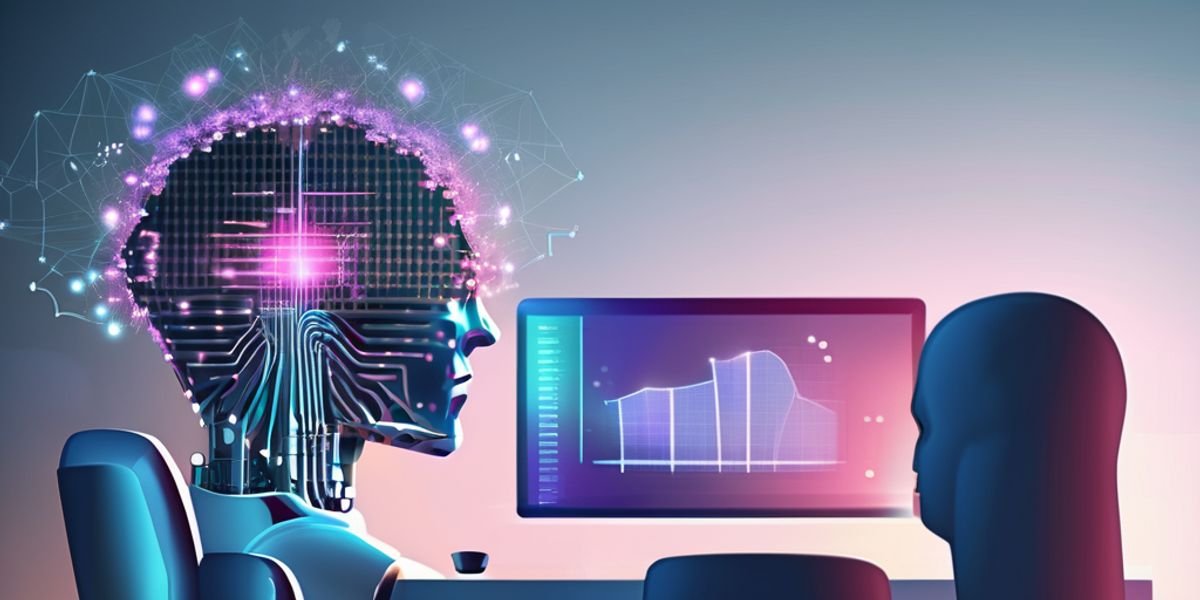
The advent of AI text generation has marked a significant milestone in the quest to mimic human creativity. Language models have transcended the barriers of binary logic, evolving into sophisticated systems capable of crafting narratives that resonate with human emotions and experiences. This evolution has been pivotal in demonstrating the potential of AI as a tool for creative expression.
- Leonardo Ai’s legacy is not just in its artistic capabilities but also in its role as a catalyst for creative freedom in language models.
- The dance of words and pixels in AI-generated content has redefined the boundaries of visual and textual expression.
- Today’s AI image generators are not only blending styles but also creating new forms of content that challenge our perception of creativity.
The synergy between deep learning and neural networks has given rise to a new era where the distinction between artificial and human-generated content is increasingly blurred. As AI continues to evolve, it becomes a more integral part of the creative process, offering tools that enhance and expand the horizons of human imagination.
The Emergence of Generative Adversarial Networks
The advent of Generative Adversarial Networks (GANs) marked a significant milestone in the evolution of AI text generation. GANs revolutionized the field by introducing a dynamic system where two neural networks, the generator and the discriminator, work in tandem. The generator creates text, while the discriminator evaluates its authenticity, creating a feedback loop that refines the output to be more convincing.
The interplay between these networks has not only enhanced the quality of machine-generated text but also expanded the boundaries of what AI can achieve creatively.
GANs have been instrumental in blurring the lines between AI-generated and human-created content. This has led to a surge in applications where AI can mimic human creativity, from writing poems to generating news articles. The table below highlights the key differences between early text generation models and GANs:
| Feature | Early Models | GANs |
|---|---|---|
| Output Quality | Basic, repetitive | Highly refined |
| Learning Method | Simple algorithms | Complex adversarial training |
| Creativity Level | Low | High |
| Human-like Text | Rarely convincing | Often indistinguishable |
As we continue to explore the capabilities of GANs, it’s clear that their impact on AI text generation is profound, setting the stage for more nuanced and sophisticated forms of digital expression.
From Simple Scripts to Complex Narratives
The evolution of AI text generation has seen a remarkable transition from generating simple scripts to weaving complex narratives. The sophistication of language models has reached a point where AI can produce text that resonates with human emotions and experiences. This leap in capability is not just a technical milestone; it represents a shift in the creative landscape, where AI becomes a collaborator in storytelling.
The algorithmic symphony behind AI text generation harmonizes data and linguistic rules to create rich, contextually appropriate narratives, much like an artist blending colors on a canvas.
The table below highlights the progression of AI text generation capabilities over time:
| Year | Milestone | Impact |
|---|---|---|
| Pre-2010 | Basic text generators | Simple automated responses |
| 2010-2015 | Advanced algorithms | Improved coherence, basic storytelling |
| 2016-2020 | Deep learning models | Human-like text, diverse genres |
| 2021-Present | Generative Adversarial Networks | Enhanced creativity, complex narratives |
As we witness the blurring of lines between human and AI-generated content, the implications for various industries are profound. Filmmakers, marketers, and educators are just a few examples of professionals who can now harness the power of AI to transform text into rich multimedia experiences. The potential of tools like Sora to democratize content creation is a testament to the far-reaching impact of this technology.
Bridging the Human-AI Divide

The ChatGPT Phenomenon
The advent of ChatGPT has marked a significant milestone in the realm of AI text generation, ushering in an era where the lines between human and machine-generated content are increasingly blurred. ChatGPT’s ability to produce coherent and contextually relevant text has revolutionized the way we think about writing and communication.
The ease of generating high-quality text with ChatGPT has led to a proliferation of AI Chat applications across various industries, transforming the landscape of digital content creation.
The following points highlight the impact of ChatGPT on the field:
- ChatGPT has democratized content creation, making it accessible to users without formal writing skills.
- The technology has raised questions about the authenticity and originality of digital content.
- AI Chat platforms are now integral tools for educators, marketers, and creatives.
While the future of AI-driven text generation holds promise, it also poses challenges that society must navigate carefully to harness its full potential.
Challenges in Distinguishing AI from Human Output
As AI text generation technology advances, the line between human and machine-written content becomes increasingly blurred. The sophistication of language models like ChatGPT has raised the bar for AI-generated text, making it difficult to discern whether an article, story, or report was penned by a person or an algorithm.
The seamless integration of AI in content creation poses a unique challenge: ensuring the authenticity of human authorship in a digital age where AI can mimic human-like writing.
The implications of this are profound, not only for the field of writing but for our understanding of creativity and originality. Here are some key considerations:
- The need for robust methods to verify the origin of written content.
- The potential for AI to influence writing styles and standards.
- The importance of transparency in the use of AI tools in content creation.
While the future of AI-driven linguistics is promising, it is imperative to address these challenges to maintain the integrity of human expression.
Ethical Considerations and Authorship
The advent of AI text generation has ushered in a new era of digital authorship, raising profound ethical considerations. The question of authorship in the age of AI is not just about who writes, but who is responsible for the written content.
As AI-generated content becomes more prevalent, the lines between human and machine authorship blur, leading to debates over intellectual property rights and the authenticity of creative works. The ethical implications extend to issues of bias, privacy, and the potential for misuse, necessitating a framework for responsible AI utilization.
- Bias: Ensuring AI systems are free from discriminatory biases.
- Privacy: Protecting the data used to train language models.
- Misuse: Preventing the generation of harmful or deceitful content.
The ethics of AI in text generation is not merely an add-on; it is integral to the design and deployment of these technologies. It is about who controls the narrative and how the benefits of AI are distributed among society.
The challenge lies not only in the technical development but also in the establishment of ethical guidelines that govern the use of AI in creative processes. This includes addressing the ‘who’ in terms of design and benefit, as well as ensuring equitable distribution of AI’s capabilities.
AI in the Creator’s Studio
Transforming Text into Visual and Multimedia Experiences
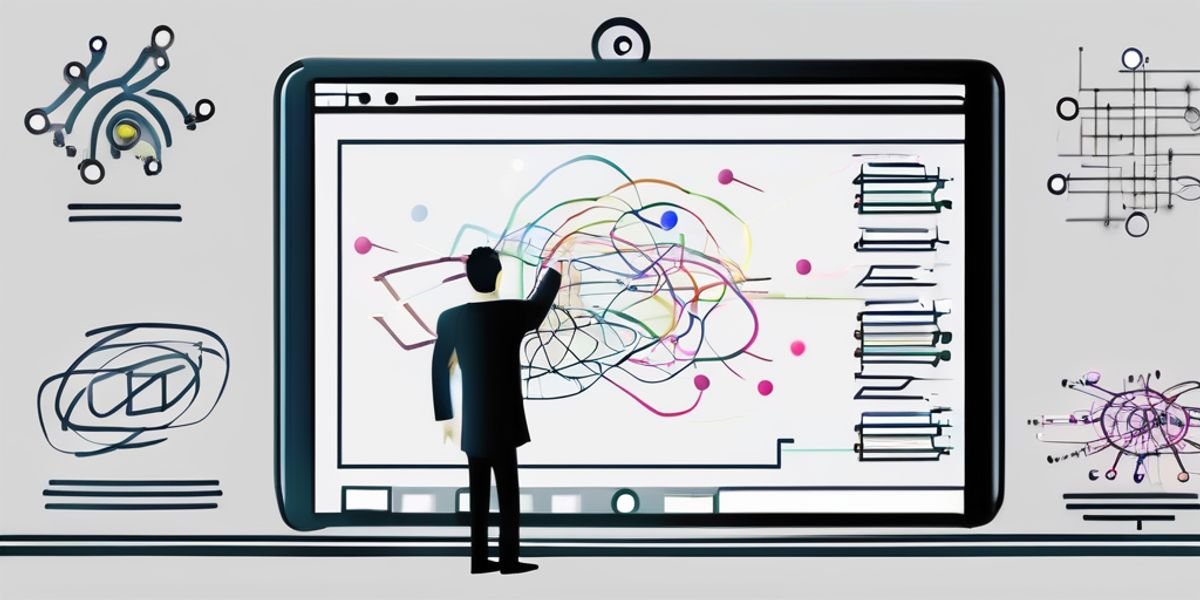
The advent of AI Text and AI Image generation technologies has revolutionized the way we think about and create multimedia content. AI-driven tools are now capable of transforming simple text into rich visual narratives, offering a seamless bridge between written language and visual storytelling.
- AI Text to Video: Platforms like Elai.io have democratized video production, allowing anyone to craft videos from text without prior experience.
- AI Image Generation: High-quality AI image generators enable artists and marketers to create detailed and visually captivating content.
The synergy between AI and user creativity is fostering a new wave of digital artistry, where the barriers between text and multimedia are dissolving.
These innovations are not just about automating the creative process; they are about enhancing it, providing creators with new tools to express their ideas in ways previously unimaginable. As we continue to explore the potential of AI in the creator’s studio, we are witnessing an acceleration into the future of digital creativity, where every written word has the potential to become a visual wonder.
The Convergence of AI in Art and Literature
The fusion of artificial intelligence with the realms of art and literature has given rise to a new era of digital creativity. AI-driven tools are now capable of producing works that resonate with the depth and nuance of human expression. This convergence has not only expanded the horizons of artistic mediums but also redefined the very essence of storytelling.
- AI image generators blend styles and mimic artistic techniques.
- Generative Adversarial Networks (GANs) facilitate the creation of realistic visual art.
- Progressive GANs enhance the quality and detail of generated images.
The digital renaissance we are witnessing is akin to the historical period of profound artistic achievement, yet it is powered by algorithms and data.
The implications of this technological symbiosis are profound. As AI continues to evolve, it is likely that we will see an even greater integration of these tools in the creative process, offering artists and writers unprecedented capabilities to explore and innovate. The digital brilliance of AI art generators is not just a testament to technological advancement but a beacon of the limitless potential for human-AI collaboration in the arts.
Tools and Platforms Revolutionizing Content Creation
The landscape of content creation has been irrevocably altered by the advent of AI Technology. Platforms like Elai.io are at the forefront, transforming the way we conceive and produce digital content. These tools have democratized the ability to create high-quality videos, making it accessible to a wide range of users, from solo creators to large-scale enterprises.
The integration of AI Technology into content creation tools has not only simplified the process but also expanded the creative possibilities. Users can now turn text prompts into engaging videos, a testament to the power of AI in enhancing human creativity.
The impact of such platforms is evident across various sectors:
- Filmmakers can visualize scenes without costly production.
- Marketers can generate compelling content from scripts.
- Educators can illustrate complex concepts with ease.
AI Technology has indeed paved the way for a new era of content creation, where the barriers to entry are lowered, and the potential for innovation is boundless.
Envisioning the Future of AI-Driven Linguistics
Predicting the Next Leap in Language Generation
As we stand on the cusp of new advancements in AI-driven linguistics, predicting the next leap in language generation is both exhilarating and challenging. The trajectory of AI text generation technology suggests a future where the line between human and machine-generated content becomes increasingly blurred.
- Sophistication: AI is expected to achieve unprecedented levels of sophistication in understanding and generating nuanced text.
- Personalization: Tailored content generation will become more prevalent, catering to individual preferences and contexts.
- Interactivity: Enhanced interactive capabilities will allow for more dynamic and responsive communication with AI.
The seamless integration of AI in our daily communication will likely redefine the essence of creativity and collaboration.
The potential for AI to not only mimic but also enhance human creativity is immense. As we look forward to a digital renaissance, the ongoing evolution of AI text generation holds the promise of transforming our interaction with the written word, ushering in an era of digital eloquence that mirrors the multifaceted genius of figures like Leonardo da Vinci.
The Potential Impact on Communication and Society
The integration of AI-driven language generation into our daily lives is set to redefine the landscape of communication and societal interaction. The potential for AI to enhance human expression and understanding is immense, offering unprecedented opportunities for personal and professional growth.
- Enhanced Communication: AI can provide real-time translation and interpretation, breaking down language barriers and fostering global connectivity.
- Education and Learning: Tailored educational content and interactive learning experiences can be generated to suit individual learning styles and needs.
- Accessibility: AI-generated text can improve accessibility for those with disabilities, offering voice-to-text and text-to-voice services that enable fuller participation in society.
The ethical deployment of AI in communication will be crucial in ensuring that these technologies augment rather than diminish the richness of human interaction.
However, the reliance on AI for communication also raises concerns about the erosion of critical thinking skills and the potential for AI to perpetuate biases. It is imperative that we navigate these waters with caution, ensuring that AI serves as a tool for empowerment and not as a crutch that undermines our cognitive abilities.
A Digital Renaissance: The Ongoing Evolution
As we stand on the brink of what could be considered a digital renaissance, AI text generation technology continues to redefine the boundaries of creativity and communication. The evolution of language models has been nothing short of remarkable, mirroring the transformative journey of historical polymaths who expanded the horizons of human knowledge and artistic expression.
The digital brilliance of AI lies not only in its ability to generate text but in its potential to spark a revolution in creative expression, much like the high-quality art generators of today.
The ongoing evolution of AI-driven linguistics is not just about the technology itself, but about how it integrates into the fabric of society. Below is a list of key areas where AI text generation is making significant strides:
- Enhancing human creativity: Providing tools that augment the creative process.
- Improving communication: Breaking down language barriers and enabling more effective global interaction.
- Educational advancement: Assisting in personalized learning experiences.
- Business optimization: Streamlining content creation for marketing and customer service.
In conclusion, as we look to the future, the legacy of AI in the realm of language generation is poised to endure and evolve, much like da Vinci’s influence has through the centuries. It promises to shape the way we communicate, pushing the boundaries of what machines can express and comprehend, and in doing so, it continues to inspire a new generation of digital wordsmiths.
Conclusion: Embracing the Digital Renaissance
As we stand on the precipice of a new era in communication and creativity, the evolution of AI text generation technology is a testament to the boundless potential of human innovation. From the early days of rudimentary text outputs to the sophisticated, nuanced language of today’s AI, we have witnessed a digital renaissance that mirrors the artistic revolutions of the past. The journey from simple algorithms to the complex neural networks of the present day has not only transformed the way we interact with machines but also how we perceive the intersection of technology and art. As AI continues to advance, pushing the boundaries of what is possible, we are invited to reimagine the future of expression, storytelling, and connection. The wonders of language generation, much like the masterpieces of da Vinci, have the power to endure and inspire, shaping the narrative of our time and beyond.
Frequently Asked Questions
How has AI text generation evolved from its early attempts?
AI text generation has evolved significantly from simple rule-based systems to sophisticated neural networks like GPT models. Early attempts involved basic algorithms that could generate predictable and formulaic text. However, breakthroughs in machine learning, particularly deep learning, have led to the creation of language models that can produce text with a level of complexity and coherence that closely mimics human writing.
What role do Generative Adversarial Networks (GANs) play in AI text generation?
While GANs are primarily known for their role in image generation, their underlying concept of two neural networks contesting with each other can also be applied to text generation. In this context, one network generates text, and the other evaluates it, leading to improved quality through iterative training. However, GANs are more commonly associated with advancements in AI-driven art and image generation.
How has ChatGPT influenced the field of AI text generation?
ChatGPT has been a game-changer in AI text generation by providing a user-friendly interface for interacting with advanced language models. It has demonstrated the ability to understand context, answer questions, and create content that is often indistinguishable from human writing. Its widespread adoption has sparked discussions about the future of writing, authorship, and the ethical implications of AI-generated content.
Can AI technology transform text into multimedia experiences?
Yes, AI technology can now transform text into multimedia experiences, including visual content and videos. Platforms like Elai offer text-to-video conversion, leveraging AI to generate engaging videos from plain text. These advancements are revolutionizing content creation, allowing creators to produce multimedia content with minimal effort.
What potential impacts could AI-driven language generation have on society?
AI-driven language generation could impact society by changing how we communicate, create content, and interact with information. It has the potential to automate various writing tasks, enhance creativity, and make language translation more accessible. However, it also raises concerns about job displacement, the spread of misinformation, and the need for new ethical standards in communication.
What is a ‘Digital Renaissance’ in the context of AI and how does it relate to Leonardo da Vinci?
The term ‘Digital Renaissance’ refers to a transformative period in art and technology, akin to the cultural rebirth that occurred during the Renaissance period led by figures like Leonardo da Vinci. In the context of AI, it symbolizes the convergence of art, science, and technology, where AI is enabling new forms of creativity and expression, much like da Vinci’s multifaceted genius reshaped the arts and sciences of his time.