
The fusion of artificial intelligence (AI) and visual arts is not just altering the landscape of creativity; it’s forging a new paradigm where technology amplifies human expression. In the article ‘Beyond Pixels: AI Image Innovations Revolutionizing Visual Media,’ we embark on an exploration of how AI is not only enhancing the way we perceive and create visual media but also raising profound questions about the essence of artistry and the role of human artists in a rapidly evolving digital era.
Key Takeaways
- AI is pushing the boundaries of creativity in the arts, leading to the emergence of new forms of generative and machine learning-driven art.
- Visual storytelling is undergoing a transformation with AI’s ability to personalize content and streamline video production and animation processes.
- Advancements in AI are revolutionizing medical imagery, offering hope for vision restoration and the development of neural prostheses.
- The integration of AI in art raises important ethical considerations and debates about the future role of human artists in a technology-driven landscape.
- Ongoing technological progress in AI promises further enhancements in visual arts, including more sophisticated generative components and contextually rich content.
The Synergy of Art and AI: Crafting the Future of Creativity
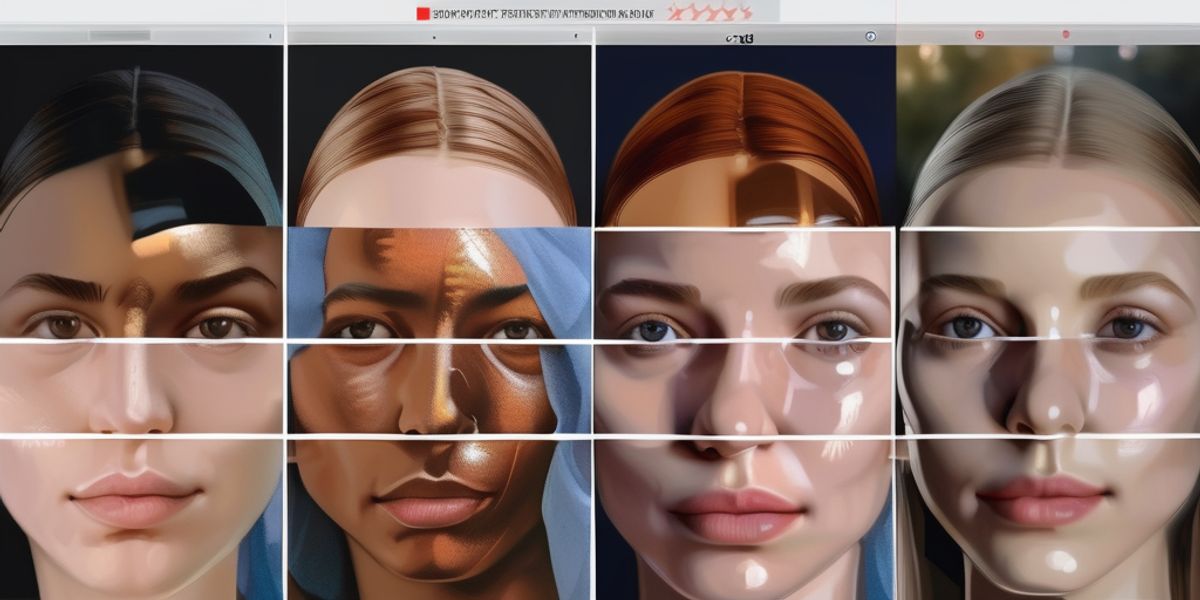
Generative Art: The Frontier of Algorithmic Creativity
Art and technology have always been intertwined, but the advent of AI has taken this relationship to new heights. Generative art represents the cutting edge of this fusion, where algorithms become the brush and canvas for creating unique and evolving visual experiences. Unlike traditional art, where the artist has complete control over the final product, generative art introduces an element of unpredictability and autonomy as the algorithm influences the outcome.
The beauty of generative art lies in its ability to surprise and innovate, as each iteration is a new discovery, a singular moment captured by the synergy of code and creativity.
Artists who integrate AI into their practice often find themselves in a collaborative role with the machine, setting the initial parameters and then stepping back to let the algorithm do its work. This process can result in interactive installations that respond to the audience, creating a personalized and ever-changing artistic experience.
Benefits of Generative Art:
- Unprecedented creativity and variety
- Dynamic and interactive art pieces
- New forms of audience engagement
Challenges:
- Defining authorship and originality
- Ensuring ethical use of AI in art
- Balancing human and algorithmic input
As we continue to explore the possibilities of AI in art, it’s essential to consider the ethical implications. The question of authenticity arises when the human artist’s role shifts from creator to curator. However, proponents argue that the human touch remains integral, as the artist’s vision guides the algorithm’s potential, pushing the boundaries of what can be achieved through traditional methods alone.
Machine Learning and the Evolution of Artistic Techniques
The integration of machine learning into the visual arts has ushered in a transformative era for creativity. Algorithms trained on extensive datasets now possess the ability to analyze and replicate artistic styles, generating new works that resonate with the nuances of human expression. This technological leap is not just about imitation; it’s about the evolution of art itself.
- The Next Rembrandt project exemplifies the potential of machine learning, creating a new piece that echoes the Dutch master’s technique.
- Artists are leveraging AI to refine traditional methods, from rendering enhancements to color palette optimization.
- Machine learning art blurs the boundaries between artist and algorithm, challenging our perceptions of creativity.
The synergy between human ingenuity and algorithmic precision is crafting a future where art is both familiar and startlingly innovative.
As machine learning continues to advance, it is inevitable that artistic techniques will evolve in tandem. The potential for AI to not only assist but also inspire artists is immense, opening doors to uncharted territories of visual expression.
Ethical Considerations in the AI-Assisted Artistic Process
As AI continues to intertwine with the artistic process, ethical considerations become increasingly significant. The question of authenticity in AI-generated art is a topic of heated debate. While some argue that human input at any stage can render the art authentic, others are concerned about the biases that AI might perpetuate, reflecting the prejudices of its programming and training data.
The ethical implications of AI in art creation extend beyond authenticity and bias. They encompass a range of issues:
- Authorship: Who is the true creator of AI-generated art?
- Intellectual Property: How do we attribute and protect the rights of AI-generated works?
- Cultural Sensitivity: Can AI respect and accurately represent diverse cultures without appropriation?
- Economic Impact: What are the consequences for human artists in a market increasingly populated by AI creations?
The integration of AI into the art world is not just a technological advancement; it is a cultural shift that demands careful consideration of its broader implications.
Despite the remarkable benefits, challenges arise from integrating AI into the art world. One major concern is the potential for AI to exhibit bias towards certain groups or demographics, raising ethical questions about the role of human oversight. As we embrace these advancements, it is crucial to explore their potential while being mindful of their impact on society and traditional artistic processes.
AI-Enhanced Visual Storytelling: Transforming Narratives in Media
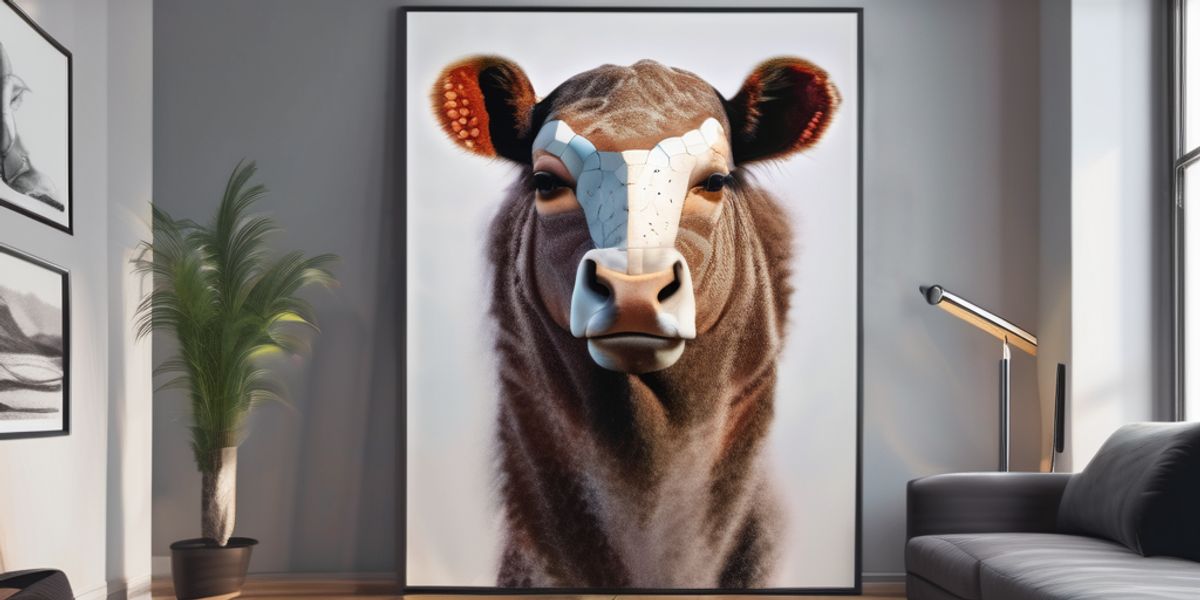
Revolutionizing Graphic Design with AI
The integration of AI into graphic design is transforming the industry, enabling both professionals and novices to push the boundaries of creativity. AI-powered tools are not only accelerating image creation but also democratizing the design process. This allows individuals without formal training to produce professional-level visuals, leveraging algorithms that analyze data to suggest new patterns and designs.
- Personalization: AI facilitates the creation of dynamic visuals tailored to individual preferences.
- Efficiency: Automated layout adjustments and accelerated design workflows.
- Innovation: Data-informed design suggestions for cutting-edge graphics.
AI in graphic design is not about replacing human creativity; it’s about enhancing and expanding it, offering a new dimension of efficiency and personalization.
While AI brings excitement and a novel approach to graphic design, the emotional depth and unique creativity inherent in human designers remain irreplaceable. The synergy between AI capabilities and human intuition is what truly drives the evolution of graphic design.
The Impact of AI on Video Production and Animation
The advent of AI in video production and animation has been nothing short of transformative. AI-powered tools are redefining the landscape, automating tasks that once required hours of manual labor. This shift is not only about efficiency but also about the expansion of creative possibilities.
For instance, AI algorithms are now capable of performing color correction, adding special effects, and even generating entire scenes with minimal human input. The implications for the industry are vast, as projects that once seemed prohibitively complex or expensive are now within reach.
The synergy between AI and human creativity is crafting a new era in visual storytelling, where the technical limits are constantly being pushed further by machine learning innovations.
However, it’s crucial to acknowledge that while AI enhances the technical aspects of video production, the nuanced storytelling and emotional depth still rely heavily on the human touch. Here’s a glimpse into how AI is reshaping the field:
- Video Editing and Enhancement: Speeding up the editing process with automated features.
- Text-to-Video Conversion: Transforming written content into animated visuals effortlessly.
- Creative Experimentation: Enabling artists to explore new visual styles and narratives.
As we navigate this evolving landscape, the balance between AI capabilities and human artistry remains a pivotal point of discussion.
Personalization and Audience Engagement through AI Visuals
The integration of AI in visual media has ushered in a new era of personalization, fundamentally altering how audiences engage with content. AI-powered tools are transforming user experiences by tailoring visuals to individual preferences, ensuring that each interaction is as unique as the viewer themselves. This personalized approach, powered by the AI Design Generator, not only amplifies user engagement but also cultivates a more immersive brand encounter.
When designs resonate with users’ interests, a connection forms, deepening their brand relationship. This technique also yields compelling marketing materials easily adaptable to customer requirements.
The synergy between AI Chat and AI Text technologies has been pivotal in creating dynamic and interactive visual content. These advancements facilitate a more nuanced and responsive communication with audiences, enhancing the overall narrative and emotional impact of the visual media.
- Emerging Trends:
- AI-powered software for graphic designs, video, and animations
- Personalized, dynamic visuals tailored for each audience member
- Automated layout adjustments redefining design capabilities
The interplay between Design and AI has not only unlocked swift image creation and seamless enhancements but also the emergence of virtual influencers redefining brand representation. Amid these strides, the human touch remains indispensable, ensuring that the essence of creativity and empathy continues to forge genuine connections through design.
Revolutionizing Vision Restoration: AI’s Role in Medical Imagery
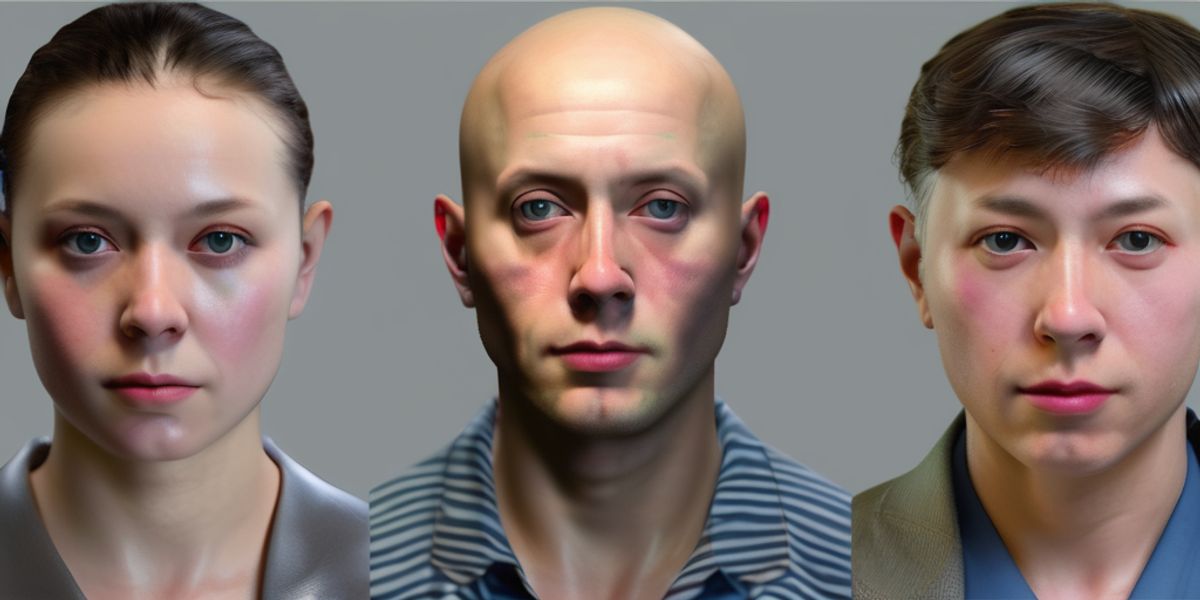
Optimizing Prosthetic Vision with Machine Learning
The integration of machine learning in prosthetic vision represents a significant leap forward in the quest to restore sight. Machine learning algorithms have surpassed traditional methods in compressing image data, which is crucial for the functionality of retinal implants. This advancement not only enhances the quality of visual information relayed to the user but also paves the way for more sophisticated sensory prostheses.
The application of machine learning techniques in vision prosthetics is not just a theoretical exercise; it’s a practical solution that brings us closer to replicating the complex processes of the human retina.
Researchers at EPFL have demonstrated the efficacy of these algorithms, showing that they can more accurately mimic natural retinal responses. This breakthrough is not confined to the laboratory; it has real-world implications for individuals with visual impairments. The actor-model framework, initially validated using animal models, holds promise for human application, potentially revolutionizing the field of vision restoration.
The collaborative efforts of experts in optics and neuroengineering have culminated in a machine learning approach that handles multidimensional image data, such as color and contrast, with unprecedented precision. This approach has been validated both in-silico and ex-vivo, indicating its readiness for further development and eventual clinical use.
AI in Retinal Imaging: A New Hope for the Visually Impaired
The integration of AI Image processing techniques in retinal imaging is a beacon of hope for those with visual impairments. Machine learning algorithms are now capable of optimizing image downsampling, which is pivotal in replicating the natural responses of the retina. This advancement not only enhances the functionality of neural prostheses but also paves the way for innovative sensory encoding methods.
The potential of AI Image innovations extends beyond vision restoration. It encompasses the improvement of digital reproductions, color correction, and resolution enhancement, making art more accessible and preserving its original aesthetics.
The recent breakthroughs in AI Image processing have been validated through rigorous in-silico and ex-vivo methods, ensuring their reliability and effectiveness. The scientific community is abuzz with the possibilities that these AI Image innovations hold for the future of medical imagery and sensory prosthetics.
- Optimization of Image Downsampling: Machine learning refines the process, closely mimicking natural retinal responses.
- Enhanced Sensory Encoding: AI introduces new dimensions to sensory prostheses, expanding the horizons of medical imagery.
- Quality Improvement: AI aids in color correction and resolution enhancement, improving the accessibility of visual media.
The exploration of AI Image applications in retinal prostheses is just the beginning. Researchers are already considering how these frameworks can be adapted for broader image compression and applied to other sensory prostheses, such as auditory or limb devices. The journey from pixel reduction to the manipulation of multiple visual dimensions is underway, promising a future where AI Image innovations revolutionize not just vision restoration, but the entire spectrum of sensory experiences.
The Future of Sensory Encoding in Neural Prostheses
The quest for advanced neural prostheses hinges on the pivotal challenge of sensory encoding—the art of converting environmental data into neural signals the nervous system can understand. Machine learning is at the forefront of this revolution, optimizing the way image data is compressed and ensuring that even with limited electrodes, the quality of information relayed to the brain remains high.
The potential of machine learning extends beyond vision restoration, hinting at a future where sensory encoding could enhance a variety of prosthetic devices.
Current advancements in data compression for retinal prostheses have shown that machine learning can outperform traditional methods, offering a glimpse into a future where artificial intelligence could provide the visually impaired with a much richer experience of the world. The EPFL team’s work, initially focused on retinal prostheses, now explores broader applications:
- Compressing images beyond pixel reduction
- Adapting the retinal model to other brain regions
- Integrating with various prosthetic devices, including auditory and limb prosthetics
The implications of these advancements are profound, as they could redefine the capabilities of neural prostheses, making them more versatile and effective. As research progresses, the question remains: how much of this model, validated in animal studies, will translate to human applications? The journey from laboratory to real-world application is complex, but the trajectory is clear—AI is set to transform the landscape of sensory prosthetics.
AI in the Art World: Disruption or Evolution?
The Debate: AI’s Place in the Pantheon of Art
The integration of Artificial Intelligence (AI) into the realm of visual arts has ignited a fiery debate that oscillates between staunch criticism and fervent advocacy. Critics question the legitimacy of AI-generated art, pondering if it dilutes the essence of human creativity. They argue that the intrinsic value of art lies in its human origin, an aspect that AI cannot replicate.
On the flip side, proponents of AI in art champion the technology as a catalyst for new forms of expression. They posit that AI serves as a tool to augment, not replace, the human artist, pushing the boundaries of what can be achieved creatively. This perspective views AI as an evolutionary step in the artistic process, one that offers a fresh palette of possibilities.
The ethical implications of AI in art also spark intense discussions. Concerns about biases in machine learning and their reflection in art highlight the need for careful consideration in the deployment of AI technologies.
The table below encapsulates the core arguments from both sides of the debate:
| Perspective | Viewpoint on AI Art | Concerns |
|---|---|---|
| Critics | Undermines human creativity | Loss of artistic authenticity |
| Advocates | Expands creative possibilities | Ethical use and biases |
As we navigate this complex landscape, it is crucial to foster a dialogue that balances innovation with the preservation of artistic integrity. The future of art may well be a tapestry woven from the threads of human ingenuity and the intricate patterns of AI algorithms.
The Role of Human Artists in an AI-Dominated Landscape
In an era where AI technology is reshaping the visual arts, the role of human artists is undergoing a profound transformation. The synergy between human creativity and AI’s capabilities is crafting a new paradigm in art production, yet it raises pivotal questions about the future of artistic skills and job security for artists.
- The potential of AI to enhance human creativity is immense, offering tools that can expand the horizons of what’s possible in art.
- Concerns about the erosion of traditional artistic skills are valid, as reliance on AI grows.
- The fear of job displacement due to AI’s efficiency in art production is a pressing issue for many in the field.
The collaboration between human imagination and AI technology is not just revolutionizing the art world but also challenging our very conception of creativity.
While some view AI as a threat to the authenticity and emotional depth of art, others see it as an opportunity to explore new forms of expression. The balance between embracing innovation and preserving the unique value of human touch is delicate. As we navigate this new landscape, it is crucial to consider how AI can serve as a complement rather than a replacement for human artistry.
Preserving Artistic Integrity in the Age of AI
In the realm of visual arts, the integration of AI has sparked a debate on the preservation of artistic integrity. The essence of art, often characterized by its emotional depth and originality, is at risk of being overshadowed by algorithm-driven creations. While AI offers a new canvas for exploration, it is crucial to maintain a balance where technology serves as a tool rather than a replacement for human creativity.
- The risk of dependency on AI may lead to a decline in traditional artistic skills.
- AI-generated art could limit the organic unpredictability inherent in human creativity.
- Ensuring human input remains integral to the creative process is vital for authenticity.
Embracing AI in art should not come at the cost of stifling the human element that breathes life into a masterpiece. The challenge lies in fostering a symbiotic relationship where AI amplifies human expression without diluting its essence.
The dialogue on AI’s role in art continues, with many advocating for a collaborative approach. By setting ethical guidelines and promoting education on traditional techniques, we can safeguard the unique qualities that define human artistry. The future of art may well be a blend of pixels and brushstrokes, algorithms and emotions, but the human touch must remain at its core.
Conclusion: Envisioning the Future of Visual Media through AI
As we stand at the crossroads of technology and creativity, the fusion of AI with visual media has undeniably ushered in a new era of artistic expression and innovation. From revolutionizing traditional art forms to enhancing visual communication across various industries, AI’s role in shaping the future of visual media cannot be overstated. While we celebrate the remarkable advancements and the limitless potential of AI-driven image innovations, it is crucial to navigate this journey with a thoughtful consideration of ethical implications and a commitment to preserving the human essence of artistry. The canvas of the future is vast and vibrant, and AI is the brush with which we will paint unprecedented masterpieces, forever altering the landscape of visual media.
Frequently Asked Questions
How is AI transforming the visual arts and creativity?
AI is revolutionizing the visual arts by introducing new forms of generative art, enhancing artistic techniques through machine learning, and providing tools that expand the boundaries of human creativity. It offers novel ways to create and experience art, pushing the limits of what is possible in artistic expression.
What ethical considerations arise from AI-assisted art?
AI-assisted art raises questions about authorship, originality, and the value of human touch in the creative process. Ethical considerations also include the potential misuse of AI to create deceptive or harmful content, and the need to ensure fair recognition and compensation for creators who use AI as a tool.
How is AI enhancing storytelling in media?
AI is enhancing storytelling by enabling more personalized and engaging visual content, automating complex aspects of graphic design, and revolutionizing video production and animation with faster, more efficient processes. It allows for dynamic visuals tailored to individual audience members, creating more immersive narrative experiences.
In what ways is AI contributing to medical imagery and vision restoration?
AI is contributing to medical imagery by optimizing prosthetic vision through machine learning, improving retinal imaging for the visually impaired, and exploring new methods for sensory encoding in neural prostheses. These advancements offer hope for better quality of life and enhanced visual capabilities for those with vision impairments.
What is the debate about AI’s place in the pantheon of art?
The debate centers around whether AI can truly be considered a form of art or merely a tool for artists. Some argue that AI-generated works lack the emotional depth and intention of human-created art, while others believe that AI expands the definition of art and opens up new avenues for creative expression.
How might the role of human artists change in an AI-dominated landscape?
Human artists may shift towards roles that emphasize their unique creative vision, emotional depth, and storytelling capabilities, distinguishing their work from AI-generated content. They might also become curators of AI-generated art, collaborating with AI to create hybrid works that blend human and machine creativity.